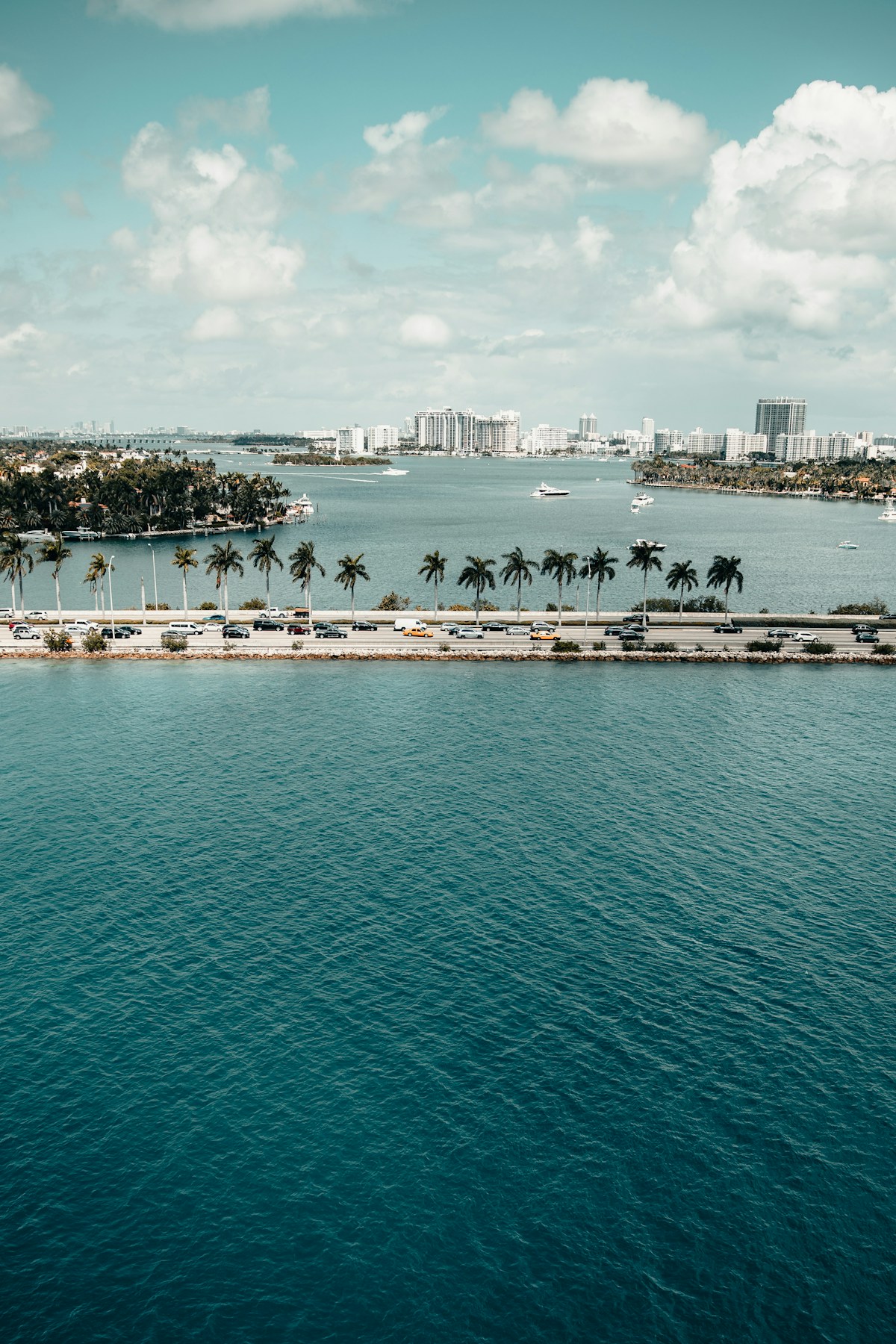
Two of America’s sunniest, most culturally diverse cities go head to head. Miami is subtropical, Latin, and runs on nightlife, art, and fashion. Los Angeles is laid-back, car-dependent, and defined by the entertainment industry, outdoor culture, and seemingly endless coastline. Both get a lot of sun; that’s where the similarities end.
Quick Verdict
| Category | Miami | Los Angeles |
|---|---|---|
| Beach water temp | Warm (75–85°F) | Cool (60–68°F) |
| Nightlife | Legendary, late | Good, spread out |
| Latin culture | Central | Strong (mainly East LA) |
| Art scene | Wynwood, Art Basel | Many museums |
| Getting around | Walkable (South Beach) | Car essential |
| Weather | Subtropical (hot, humid) | Mediterranean |
| Best for | Beach, nightlife, art | Outdoor life, film |
| Days needed | 3–5 | 5–7 |
Costs
Hotel pricing is comparable but Miami has higher spikes around events. The Surfcomber Hotel on Collins Avenue in South Beach runs $220–320/night in regular season. The Faena Hotel on the northern end of the beach is $500–900 - one of the most striking hotels in America with its gilded Damien Hirst woolly mammoth in the lobby. During Art Basel Miami Beach (early December), South Beach hotel rates double or triple with 3-month advance booking sometimes required.
Search hotels in Miami on Booking.com
Los Angeles has more price diversity. Santa Monica’s Shore Hotel runs $280–380, while Downtown LA’s Freehand is $170–240. West Hollywood options like the Andaz West Hollywood run $260–350. LA has more budget accommodation options than South Beach, though finding genuinely cheap accommodation in a good neighbourhood is difficult in either city.
Search hotels in Los Angeles on Booking.com
Food costs are similar. Ceviche at a Cuban restaurant on Calle Ocho in Little Havana costs $14–18; a stone crab dinner at Joe’s Stone Crab on South Beach (a Miami institution since 1913) runs $80–120/person for a proper feed. In LA, Korean BBQ in Koreatown costs $25–40/person all-in; an upscale dinner at Bestia in Downtown runs $75–100.
Beaches
Miami’s South Beach runs about three miles from the Government Cut inlet north to 23rd Street. The best section for atmosphere is Lummus Park - the strip between 5th and 14th Streets with the greatest concentration of Art Deco hotels, outdoor cafés, and the Miami Beach promenade. The water is genuinely warm and Atlantic swells are gentle enough for easy swimming most of the year. Haulover Beach, 8 miles north, is clothing-optional and beloved by locals.
Los Angeles has more total beach. The Strand cycling and pedestrian path runs 22 miles from Santa Monica south to Torrance, connecting Venice Beach, Marina del Rey, Manhattan Beach, Hermosa Beach, and Redondo Beach. Santa Monica State Beach is the main tourist hub; Venice Beach is the more eclectic, street performer–heavy option. Water temperatures in the 60s mean ocean swimming is bracing rather than tropical, but surfers are out year-round and the beach activity culture is world-class. For more on LA’s outdoor activities beyond the beach, see things to do in Los Angeles.
Art and Culture
Miami has punched above its weight in contemporary art since the Art Basel Miami Beach fair launched in 2002. Wynwood - a former warehouse district northwest of Downtown - is now entirely covered in commissioned street murals and is home to galleries, bars, and creative businesses. The Wynwood Walls (free to view from the street) are the focal point. The Pérez Art Museum Miami (PAMM) on Biscayne Bay is an architecturally striking contemporary art institution ($20 adults). The Bass Museum of Art in South Beach ($20 adults) focuses on international contemporary work.
Los Angeles has more institutional heft. The Getty Center (free admission, parking $20) has one of the finest collections of European paintings in the Western Hemisphere. LACMA ($20 adults) is one of America’s largest art museums. The Hammer Museum in Westwood is free and consistently excellent for contemporary work. The Museum of Contemporary Art (MOCA) in Downtown runs $18 adults.
Nightlife and Entertainment
Miami’s nightlife runs later and harder than almost anywhere in the USA. Clubs on Washington Avenue (Basement Miami, LIV at the Fontainebleau) don’t fill up until 1–2am and run until 5–6am on weekends. The Wynwood bar scene is more accessible and neighbourhood-oriented: Gramps and Lagniappe are good starting points. Calle Ocho in Little Havana has salsa dancing at Ball & Chain ($10–20 cover) from Thursday through Sunday nights.
Los Angeles entertainment is broader in type and spread further in geography. Hollywood’s clubs and bars (Avalon, Bardot, No Vacancy) are tourist-heavy; the real LA nightlife is in Silver Lake, Echo Park, and Highland Park - more neighbourhood bar culture, excellent live music, and cocktail bars. The comedy club scene is exceptional: The Comedy Store on Sunset and Largo at the Coronet for more unusual acts. Tickets run $15–35.
See city guides for Miami and Los Angeles.
Getting Around
Miami’s most tourist-relevant area - South Beach - is surprisingly walkable. Collins Avenue, Ocean Drive, and Washington Avenue run parallel along the beach; the Lincoln Road pedestrian mall connects east to west. The Wynwood arts district is a $15–20 Uber from South Beach. Downtown Miami and Brickell are connected by the Metromover (free automated monorail) and Metrorail ($2.25/ride). For anything further than Coconut Grove, you’ll need Uber or a rental car.
Los Angeles is car-dependent for almost everything. The one exception is the Metro’s D Line (Purple Line) extension, which now reaches parts of the Westside. Budget $20–40 per Uber trip for cross-city travel; parking costs $15–30/day in central areas. Renting a car ($55–80/day) makes sense if you plan to visit Malibu, the Valley, or areas more than 10 miles from your hotel.
When to Visit
Miami’s climate is subtropical: hot and humid from May through October, with afternoon thunderstorms and hurricane risk from June through November (peak: September). The dry season from November through April is excellent - temperatures of 72–80°F, low humidity, and the primary tourist season. December through April is peak pricing; January through March has perfect beach weather without the aggressive heat.
Los Angeles is reliably good from July through October. The famous June Gloom - marine layer cloud cover along the coast - can dampen summer mornings through mid-June. Winter is mild (60–70°F) and much cheaper for hotels. Rain falls mainly December through February and tends to be brief.
How to Book: Miami vs Los Angeles
Miami booking strategy: South Beach hotels on Collins Avenue and Ocean Drive are the most in-demand and the first to sell out. Book 6–8 weeks ahead for regular season visits; book 3–4 months ahead for Art Basel Miami Beach (first week of December) and Spring Break (mid-March), when rates double across the city. The Surfside and Bal Harbour neighbourhoods north of South Beach offer quieter alternatives at slightly lower rates. For Wynwood restaurant tables and club access, book ahead even for early evening - the most popular venues (Beachcraft, Dirty French Miami, Carbone) require reservations 2–4 weeks out.
Los Angeles booking strategy: Neighbourhood is everything. A hotel in Santa Monica and a hotel in Silver Lake are 40–60 minutes apart in evening traffic - they’re effectively different trips. For beach access, book Santa Monica or Venice; for the Sunset Strip and the entertainment industry atmosphere, book West Hollywood; for proximity to Universal Studios or the Valley, book Burbank or North Hollywood where rates run $130–180. Note that parking costs ($30–60/night) are rarely included in quoted LA hotel rates - this genuinely inflates the true cost. Art Basel LA (April), major award shows, and Coachella weekend cause significant rate spikes across the city.
Tours: Miami walking tours of Wynwood, Art Deco South Beach, and the Everglades are best booked on GetYourGuide with 24–48 hours notice; most run daily with flexible cancellation. In Los Angeles, Warner Bros. and Universal Studios tours book out 1–2 weeks ahead. For both cities, Viator and GYG pricing is comparable - check both if you’re flexible on operator.
The Verdict
Choose Miami if nightlife, beach swimming, Latin culture, and a more compact city experience matter most to you. Choose Los Angeles if you want more diverse experiences, warmer ocean weather is less important than overall lifestyle, and you have 5+ days to actually explore the breadth of the city.
For first-time US visitors, Los Angeles offers a wider range of experiences. For a specific beach-and-nightlife trip, Miami delivers with less transit overhead.
Read USA travel costs for a full budget guide. The Florida 10-day itinerary and 10-day West Coast itinerary help plan each destination in full.
For guided tours in either city, browse the full USA tours selection. Compare flights to the USA and set up travel insurance before your trip.
More City Guides and Comparisons
- Miami travel guide
- Los Angeles travel guide
- San Francisco vs Los Angeles comparison
- New York vs Los Angeles comparison
- San Diego vs Los Angeles comparison
- Pacific Coast Highway road trip
- Florida Keys road trip guide
- Hawaii vs Florida comparison
Plan Your Trip
✈️ Book your flights to the USA 🛡️ Get travel insurance 📱 Stay connected with an eSIM 🚗 Rent a car
Ready to Plan Your Trip?
Here are our top itineraries to help you plan your USA visit:
- 14 Days in California: Road Trip Itinerary - Two weeks driving the Golden State
- 10 Days on the West Coast: LA, San Francisco and Beyond - Pacific Coast highlights