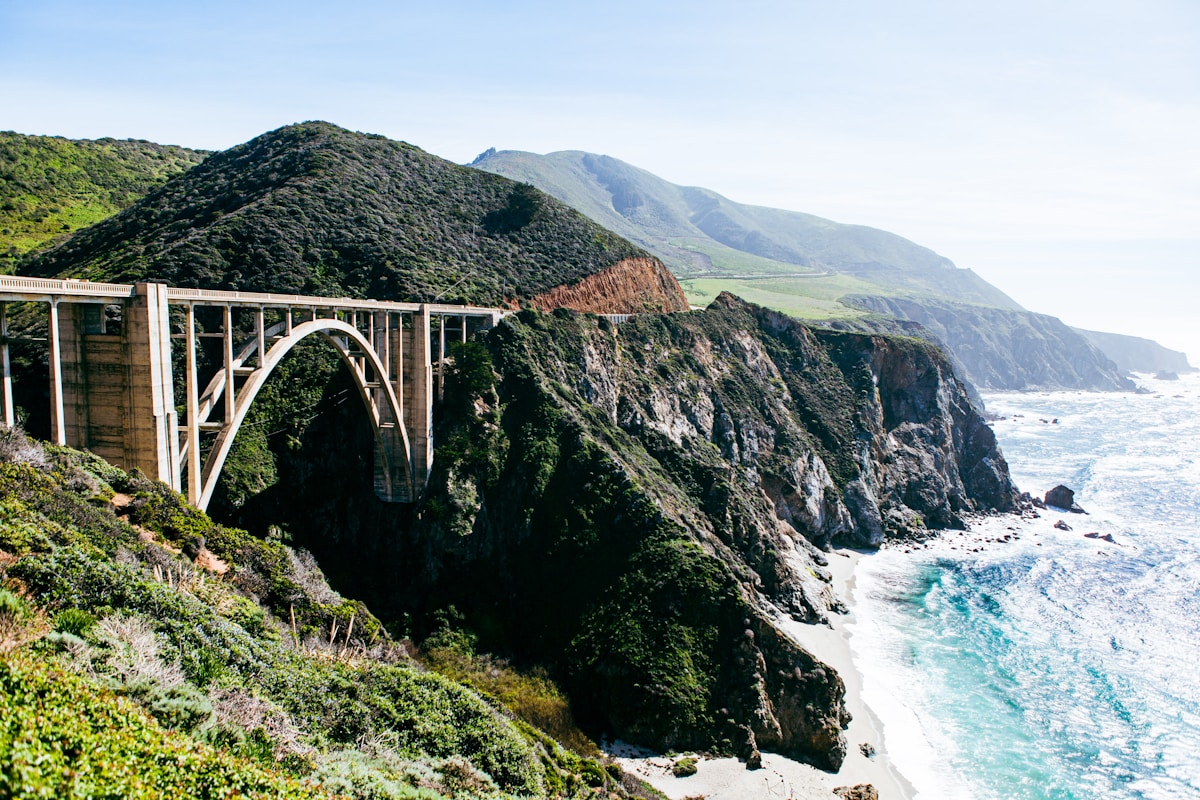
The West Coast of the USA packs more geographic variety into a single trip than almost anywhere else - ocean cliffs, redwood forests, desert valleys, granite mountains, and two of the world’s most distinctive cities. Ten days is enough to cover the highlights without white-knuckle driving schedules, provided you accept that this is a road trip and the driving itself is part of the experience.
This itinerary runs north from Los Angeles to San Francisco via the Pacific Coast Highway, detours east to Yosemite, and bookends with a night in Las Vegas. You will need a rental car for most of it.
The Route at a Glance
| Days | Location | Drive From Previous |
|---|---|---|
| 1–3 | Los Angeles | Arrival |
| 4 | PCH drive → Big Sur | 5–6 hours (with stops) |
| 5–7 | San Francisco | 2.5 hours from Big Sur |
| 8–9 | Yosemite National Park | 3.5 hours from SF |
| 10 | Las Vegas | 6 hours from Yosemite |
Rental car: Pick up at LAX on Day 1, drop off at Las Vegas McCarran on Day 10. One-way drop-off fees typically add $50–150. Total rental for 10 days runs approximately $400–700 for a mid-size car as of 2026. Book through Costco Travel or AutoSlash for the best rates. If you’d rather skip a driving leg - LA to SF by bus is a practical option - check connections on Omio.
Days 1–3: Los Angeles
Day 1 - Santa Monica and Venice Beach
Pick up your rental car and drive to Santa Monica. Walk the Santa Monica Pier (free, open daily) - the Ferris wheel, the Pacific Park amusement rides, and the view south along the coast set the tone for the trip. Rides cost approximately $5–10 each.
Walk or cycle south along the beach path to Venice Beach (2.5km). The Venice Boardwalk is chaotic and commercialised but entertaining. Rent a bike from one of the shops on the boardwalk for approximately $10–15 per hour.
Lunch at Gjusta (320 Sunset Avenue, Venice) - a bakery and deli with outstanding sandwiches, salads, and pastries from approximately $14–22.
Dinner at Cassia (1314 7th Street, Santa Monica) - Southeast Asian-French cuisine from approximately $20–38 per plate.
Day 2 - Hollywood and Downtown LA
Morning: drive to Griffith Observatory (2800 East Observatory Road). Free admission, open Tuesday–Friday 12pm–10pm, Saturday–Sunday 10am–10pm. The views of the Hollywood Sign and the LA basin are the best in the city. Arrive early on weekends - parking fills by 11am. Alternatively, hike up from the Fern Dell entrance (2.5 miles round trip, moderate).
Afternoon: visit The Getty Center (1200 Getty Center Drive). Free admission, parking $20. Open Tuesday–Sunday 10am–5:30pm. The collection includes Van Gogh’s Irises, and the architecture and gardens are worth the visit alone. Allow 2–3 hours.
Explore Downtown LA in the evening. Grand Central Market (317 South Broadway) has food stalls from around the world - tacos from Tacos Tumbras a Tomas (approximately $4–5 each), Thai from Sticky Rice, ramen from Ramen Hood.
Day 3 - Beach Day or Museum Day
Option A: Drive to Malibu (30 minutes from Santa Monica without traffic). Zuma Beach is the best stretch of sand. Stop at Neptune’s Net (42505 Pacific Coast Highway) for seafood - fish tacos and fried shrimp from approximately $12–18.
Option B: The Broad museum (221 South Grand Avenue, Downtown LA). Free admission with advance reservation at thebroad.org. Open Tuesday–Sunday 10am–5pm, Thursday–Saturday until 8pm. Contemporary art including Kusama’s Infinity Mirror Room.
Where to stay in LA:
- Budget: Samesun Venice Beach (25 Windward Avenue) - dorms from approximately $45, private rooms from approximately $130 per night
- Mid-range: The LINE LA (3515 Wilshire Boulevard, Koreatown) - from approximately $200 per night
- Luxury: Shutters on the Beach (1 Pico Boulevard, Santa Monica) - from approximately $600 per night
Search hotels in California on Booking.com
Day 4: Pacific Coast Highway to Big Sur
Leave LA early and drive north on the Pacific Coast Highway (Highway 1). The full drive from LA to Big Sur is roughly 5–6 hours but you will want to stop frequently.
Key stops:
- Santa Barbara (1.5 hours from LA) - walk State Street, see the Spanish Mission (entry approximately $15). Coffee at Handlebar Coffee Roasters.
- San Luis Obispo (3.5 hours from LA) - stretch your legs at the Thursday night farmers’ market (if it is a Thursday). Lunch at Firestone Grill (approximately $10–15 for tri-tip sandwiches).
- Big Sur begins south of Carmel. The stretch from San Simeon to Carmel is the most dramatic - sheer cliffs dropping into the Pacific, with redwood forests on the mountain side.
Stop at McWay Falls in Julia Pfeiffer Burns State Park - an 80-foot waterfall that drops directly onto a beach. The viewpoint is a short walk from the parking area. Bixby Creek Bridge is the most photographed bridge on Highway 1.
Where to stay in Big Sur:
- Mid-range: Big Sur Lodge (47225 Highway 1) - cabin-style rooms in Pfeiffer Big Sur State Park from approximately $250 per night
- Luxury: Post Ranch Inn (47900 Highway 1) - cliff-top rooms from approximately $1,000 per night, all-inclusive
- Budget option: Camp at Pfeiffer Big Sur State Park (approximately $35 per night, book via reservecalifornia.com well in advance)
Days 5–7: San Francisco
Day 5 - Arrival and Fisherman’s Wharf
Drive from Big Sur to San Francisco (approximately 2.5 hours via Highway 1 and 101). Check in and drop your car - you will not need it in the city. Street parking is scarce and expensive. Hotel parking runs approximately $40–60 per night.
Walk to Fisherman’s Wharf and Pier 39. It is touristy, but the sea lions on K-Dock are genuinely entertaining and the sourdough bread bowls from Boudin Bakery (approximately $12–15) are a legitimate San Francisco tradition.
Ride a cable car on the Powell-Hyde line from near Union Square down to Fisherman’s Wharf. Single ride $8 as of 2026. Lines are long in summer - board at the less crowded intermediate stops rather than the turnaround points.
Dinner in North Beach (San Francisco’s Italian neighbourhood). Tony’s Pizza Napoletana (1570 Stockton Street) - multiple award-winning pizza styles from approximately $18–30 per pie.
Day 6 - Golden Gate, Alcatraz, and Haight-Ashbury
Morning: walk or bike across the Golden Gate Bridge. Rent a bike from Blazing Saddles (2715 Hyde Street, approximately $32 for 4 hours) and ride across the bridge to Sausalito (total ride approximately 8 miles one way). Return by ferry from Sausalito to Fisherman’s Wharf (approximately $14).
Afternoon: Alcatraz Island tour. Book well in advance at alcatrazcruises.com - tickets sell out weeks ahead. Day tours approximately $45 per adult as of 2026. The audio tour narrated by former guards and inmates is excellent. Allow 2.5–3 hours total including the ferry.
Late afternoon: explore the Haight-Ashbury neighbourhood. Walk Haight Street for vintage shops and counterculture history, then continue into Golden Gate Park. The park is larger than Central Park and holds the de Young Museum (approximately $15, free first Tuesdays) and the California Academy of Sciences (approximately $46).
Day 7 - Mission District and Departure Prep
Morning: walk the Mission District. See the murals on Balmy Alley and Clarion Alley. Breakfast at Tartine Bakery (600 Guerrero Street) - pastries and morning buns from approximately $5–8. Arrive before 8am to beat the queue.
Afternoon: explore Chinatown (the oldest in North America) and Union Square for shopping. Ride the historic F-line streetcar along Market Street and the Embarcadero.
Lunch at Swan Oyster Depot (1517 Polk Street) - a counter-only raw bar open since 1912. Dungeness crab, oysters, and clam chowder from approximately $20–35. Cash only. Opens at 10:30am and the queue starts before that.
Where to stay in San Francisco:
- Budget: HI San Francisco Fisherman’s Wharf (240 Fort Mason) - dorms from approximately $55, private rooms from approximately $160 per night
- Mid-range: Hotel Zephyr (250 Beach Street) - from approximately $220 per night, near Fisherman’s Wharf
- Luxury: The Fairmont San Francisco (950 Mason Street, Nob Hill) - from approximately $400 per night
Search hotels in San Francisco on Booking.com
Days 8–9: Yosemite National Park
Drive from San Francisco to Yosemite Valley (approximately 3.5 hours via I-580 and CA-120). Park entrance fee is approximately $35 per vehicle, valid for 7 days as of 2026. From April through September, an advance reservation is required in addition to the entrance fee - book through recreation.gov up to two weeks ahead. Book Yosemite tours for guided valley hikes and Half Dome permit assistance.
Day 8 - Yosemite Valley
Drive to Tunnel View for the classic panorama of El Capitan, Bridalveil Fall, and Half Dome. Continue into Yosemite Valley and park at the day-use area (arrive before 10am to find parking in summer).
Hike to Yosemite Falls (1 mile round trip, easy) - the tallest waterfall in North America at 739 metres. Walk the Valley Loop Trail to see El Capitan’s sheer granite face up close.
For a longer hike, take the Mist Trail to Vernal Fall (5.4 miles round trip, moderate-strenuous, 3–4 hours). You will get wet from the spray - bring a rain jacket.
Day 9 - Glacier Point and Mariposa Grove
Drive to Glacier Point (1 hour from the valley, open approximately May–November depending on snow). The viewpoint overlooks the entire valley from 3,200 feet above. Free with park entry.
Afternoon: visit the Mariposa Grove of Giant Sequoias (south entrance of the park). A free shuttle runs from the parking area to the grove. The Grizzly Giant is approximately 1,800 years old and 64 metres tall. The Big Trees Loop trail (0.3 miles) and Grizzly Giant Loop (2 miles) are both easy walks.
Where to stay near Yosemite:
- Budget: Yosemite Bug Rustic Mountain Resort (6979 Highway 140, Midpines) - dorms from approximately $40, private rooms from approximately $120 per night. 45 minutes from the valley.
- Mid-range: Yosemite Valley Lodge (inside the park) - from approximately $280 per night. Book through travelyosemite.com months in advance.
- Luxury: The Ahwahnee (inside the park) - from approximately $550 per night. A National Historic Landmark with cathedral-ceiling dining room.
- Camping: Upper Pines Campground ($36 per night, reserve 5 months ahead at recreation.gov) → Find hotels near Yosemite
Day 10: Drive to Las Vegas
Drive from Yosemite to Las Vegas (approximately 6 hours via CA-120 and US-395, then US-95 south). The drive through the eastern Sierra and Nevada desert is scenic in its own right - stop at Mono Lake (eerie limestone tufa towers in an alkaline lake, free roadside viewpoint) and consider a lunch stop in Bishop (Erick Schat’s Bakkery, famous sheepherder bread, approximately $5–10).
Arrive in Las Vegas by late afternoon. Walk the Strip at night - the scale and excess is unlike anything else in the country. See the Bellagio Fountains (free, shows every 15–30 minutes from 3pm) and walk through the themed casino lobbies.
Dinner at Mon Ami Gabi (Paris Las Vegas, 3655 Las Vegas Boulevard South) - French bistro with Strip-view patio seating, steaks and seafood from approximately $25–45.
Where to stay in Las Vegas:
- Budget: The LINQ Hotel (3535 Las Vegas Boulevard) - from approximately $60 per night midweek
- Mid-range: The Venetian (3355 Las Vegas Boulevard) - all-suite hotel from approximately $180 per night
- Luxury: Bellagio (3600 Las Vegas Boulevard) - from approximately $300 per night
Search hotels in Las Vegas on Booking.com
Fly home from McCarran International Airport (LAS) or continue your trip from here.
Budget Summary
| Category | Budget | Mid-Range | Luxury |
|---|---|---|---|
| Car rental (10 days) | $400–500 | $500–700 | $700–1,000 |
| Fuel | $150–200 | $150–200 | $150–200 |
| Hotels (10 nights) | $1,000–1,500 | $2,200–3,500 | $4,500–8,000 |
| Food (10 days) | $300–500 | $600–900 | $1,000–1,800 |
| Attractions | $100–180 | $180–280 | $280–400 |
| Total per person | $1,950–2,880 | $3,630–5,580 | $6,630–11,400 |
All prices approximate as of 2026. Car rental prices assume booking 4+ weeks in advance.
Compare flights to the USA and book car hire in the USA early - West Coast road trip availability drops significantly in summer. Tours and activities in San Francisco and Los Angeles can be booked in advance. Arrange travel insurance before departure.
More West Coast Guides
- Las Vegas travel guide
- San Francisco travel guide
- Los Angeles travel guide
- Pacific Coast Highway road trip guide
Book Your Trip
- Flights - Find the best fares to the USA · flights guide
- Travel Insurance - Get covered before you go · insurance guide
- eSIM - Stay connected from landing · eSIM guide
- Airport Transfers - Pre-book your transfer from your nearest major airport
- Car Rental - Compare prices across providers · car hire guide
- Tours & Activities - Browse the USA tours on GetYourGuide