Miami: South Beach Art Deco, Wynwood & Cuban Food
Plan your Miami trip: South Beach Art Deco hotels from $120 (Freehand) to $700 (The Setai), Wynwood murals, Brickell dining, and Art Basel in December.
Guides for Miami
Miami is one of the few American cities where the climate, the beach, the arts scene, and the food scene all operate at an internationally competitive level simultaneously. South Beach is the most famous neighbourhood - the Art Deco Historic District, Ocean Drive, and the beach itself - but the city extends far beyond it. Wynwood has become one of the most significant street art destinations in the world; Little Havana preserves the Cuban-American cultural tradition that defines the city’s identity; the Design District has concentrated luxury retail and the PAMM art museum. This guide covers the city as a whole, with transport, accommodation, and practical tips current as of 2026.
When to Go
Miami’s dry season runs November–April; this is the peak tourist season, with the best beach weather (70s–80s°F/21–27°C), the lowest humidity, and the highest hotel rates. Art Basel Miami Beach (first week of December) is the single most expensive hotel week of the year. The wet season (May–October) brings afternoon thunderstorms, high humidity, and hurricane risk (June–November, with peak activity in August–September). Hotel rates in the wet season are substantially lower; the weather is hot (85–92°F/29–33°C) but the storms typically pass within an hour and leave the evening clear.
Getting Around
Miami is a driving city. Public transit covers the main corridors but the city’s spread means a car dramatically expands your options. Parking is expensive in South Beach ($3–$5/hour at meters; valet at most restaurants $10–$20).
Metrorail: Miami’s above-ground rail system connects Downtown/Brickell to Coconut Grove, Coral Gables, and the airport. A single ride is $2.25 as of 2026; an unlimited 7-day pass is $29.
Miami Metromover: Free elevated rail loop serving Downtown and Brickell. Useful for moving between the financial district, museums, and Brickell.
Brightline: The high-speed rail service connects Miami (MiamiCentral station) to Fort Lauderdale (approximately 30 minutes), West Palm Beach (approximately 60 minutes), and Orlando (approximately 3 hours). Fares vary by class and timing; Miami–Fort Lauderdale from approximately $10 as of 2026.
Rideshare: Uber and Lyft are the dominant transport mode for most visitors. South Beach to Wynwood typically costs $12–$18; to Coconut Grove or Coral Gables approximately $20–$30.
Miami International Airport (MIA): Approximately 8 miles from South Beach; approximately $30–$40 by rideshare. The Miami Airport station connects to the Metrorail Orange Line, with a transfer to Downtown in approximately 20 minutes ($2.25). Fort Lauderdale-Hollywood International (FLL) is approximately 30 miles north and often cheaper for flights; rideshare to South Beach from FLL runs approximately $50–$70.
Where to Stay
Luxury (from approximately $400/night)
Search hotels in Miami on Booking.com
The Edition Miami Beach (2901 Collins Avenue, Mid-Beach) - From approximately $550/night as of 2026. Ian Schrager’s property in a restored 1955 building. The pool and beach area are among the best-designed hotel outdoor spaces in Miami; the basement nightclub and the rooftop bar are serious operations. The rooms are minimalist and well-executed; the spa is among the best in the city.
Faena Hotel Miami Beach (3201 Collins Avenue, Mid-Beach) - From approximately $650/night as of 2026. The Faena is the most architecturally and artistically ambitious hotel in Miami. Damien Hirst’s gilded woolly mammoth skeleton in the main hall sets the tone; the interiors throughout are saturated in red and gold with a Latin American maximalist sensibility. The beach setup (private beach, covered daybeds, personal beach attendants) is the best in the city at any price.
The Setai Miami Beach (2001 Collins Avenue, South Beach) - From approximately $700/night as of 2026. Three pools (each heated to a different temperature) set in a 1936 Art Deco building with a 40-floor contemporary tower behind it. The pool experience is the finest on South Beach; the Asian-influenced restaurant is one of the better hotel restaurants in the city.
1 Hotel South Beach (2341 Collins Avenue, South Beach) - From approximately $450/night as of 2026. The sustainability-focused brand’s Miami flagship. Rooms use reclaimed materials and natural fibres; the beach setup faces directly onto South Beach’s most active stretch. The rooftop bar and the four pools are the communal highlights.
Mid-Range (from approximately $180–$380/night)
The Betsy - South Beach (1440 Ocean Drive, South Beach) - From approximately $280/night as of 2026. One of the few boutique hotels directly on Ocean Drive. The rooftop pool, cultural programming (the hotel funds a poetry residency), and the quality of service set it apart from the larger South Beach properties at a similar price.
Kimpton Angler’s Hotel (660 Washington Avenue, South Beach) - From approximately $220/night as of 2026. A 132-room boutique hotel a short walk from the beach and the Lincoln Road pedestrian mall. The pool and courtyard area is well-scaled. Kimpton’s free daily wine hour is a practical perk.
EAST Miami (788 Brickell Plaza, Brickell) - From approximately $200/night as of 2026. A 39-floor tower in the Brickell financial and restaurant district. The Sugar rooftop bar is one of the best open-air bars in Miami with panoramic views across the bay. Practical for business visitors and for those prioritising the restaurant corridor over the beach.
Urbanica The Meridian Hotel (730 Meridian Avenue, South Beach) - From approximately $180/night as of 2026. A quieter South Beach option two blocks from the beach and one block from Lincoln Road. Boutique scale (68 rooms); pool on site. One of the better value options in walking distance of both the beach and Lincoln Road’s restaurants.
Budget (from approximately $80–$170/night)
The Freehand Miami (2727 Indian Creek Drive, Mid-Beach) - Dorm beds from approximately $35/night; private rooms from approximately $120/night as of 2026. The Miami location of the Freehand is a legitimate social hotel rather than just a hostel with private rooms. The Broken Shaker bar is one of the best cocktail programs in Miami. The pool and communal areas are active throughout the day.
Generator Miami (3120 Collins Avenue, Mid-Beach) - Dorm beds from approximately $40/night; private rooms from approximately $130/night as of 2026. A large-format hostel in a 1939 Streamline Moderne building. The ground-floor Generator Hostel is basic; the private rooms in the connected hotel building are better quality. Pool, bar, and restaurant on site.
Top Attractions
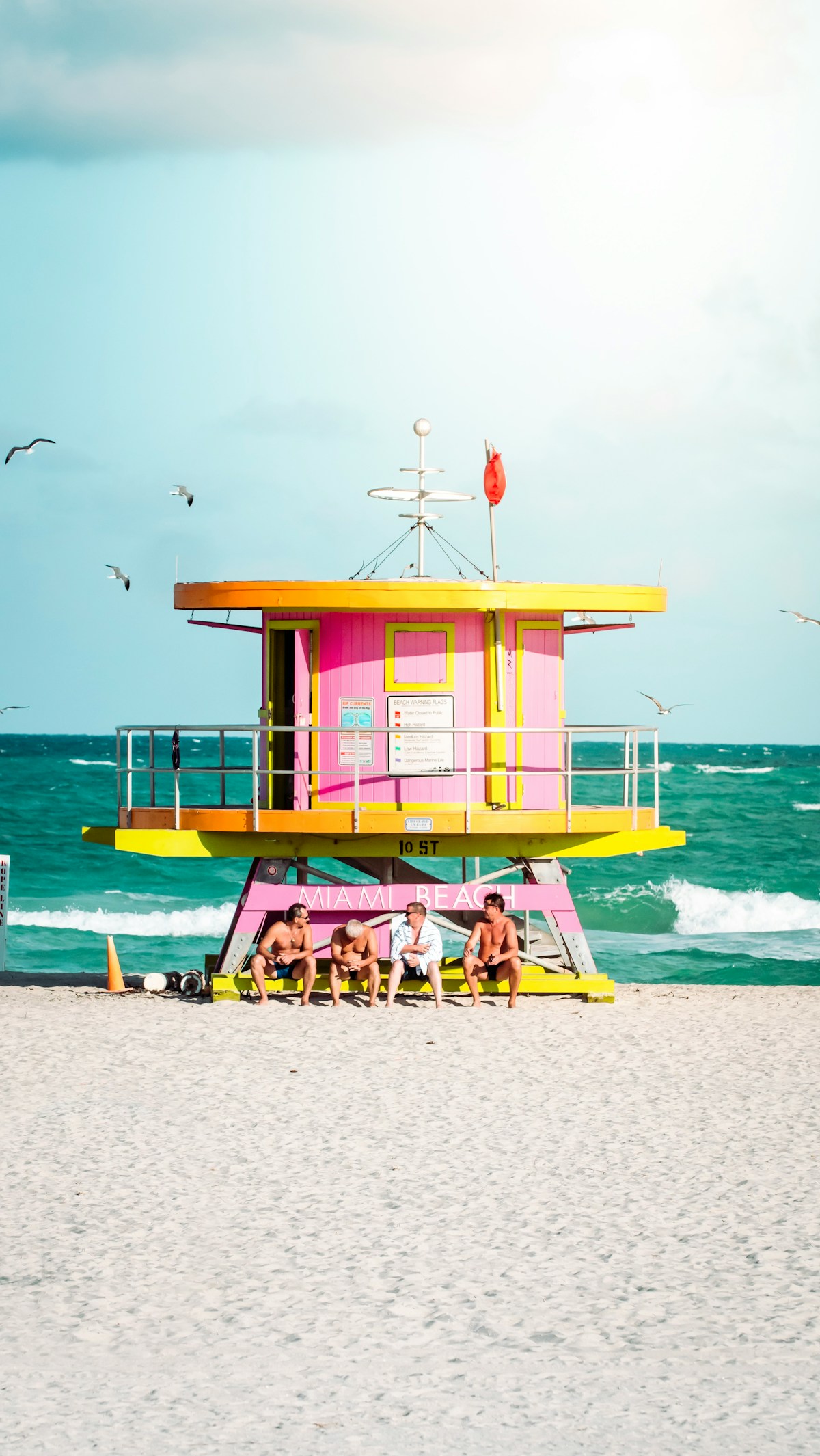
South Beach - The Art Deco Historic District runs along Ocean Drive and Collins Avenue between 5th and 17th Streets. Entry to the beach is free; paid lounger and umbrella rental is available from beach service operators (approximately $35–$50/day for a set as of 2026). The beach is widest between 12th and 21st Streets.
Wynwood Walls (2520 NW Second Avenue, Wynwood) - Free during daylight hours. The open-air street art museum created by Tony Goldman in 2009 transformed a former warehouse district into the most concentrated outdoor mural gallery in the world. The surrounding blocks of Wynwood have filled with galleries, restaurants, and bars. Most galleries open Tuesday–Sunday 11am–6pm.
Pérez Art Museum Miami (PAMM) (1103 Biscayne Boulevard, Downtown) - Approximately $20/adults as of 2026. Open Monday–Tuesday and Friday–Sunday 11am–6pm; Thursday 11am–9pm; closed Wednesday. The Pritzker Architecture Prize–winning building by Herzog & de Meuron sits on Biscayne Bay. The permanent collection focuses on post-1945 art with strengths in Caribbean, Latin American, and African diaspora work. The waterfront setting and the overwater terrace restaurant make the museum worth visiting regardless of the current temporary exhibitions.
Vizcaya Museum and Gardens (3251 South Miami Avenue, Coconut Grove) - Approximately $25/adults as of 2026. Open Wednesday–Monday 9:30am–4:30pm; closed Tuesday. A 1916 Italian Renaissance villa built by industrialist James Deering on the shores of Biscayne Bay. The formal gardens (10 acres) are the finest historic garden in Florida; the interior preserves the original furnishings and art collection. One of the most significant historic house museums in the United States.
Coral Gables - A planned city designed by George Merrick in the 1920s in a Mediterranean Revival style. The Venetian Pool (2701 De Soto Boulevard) is a 1924 public swimming pool carved from a coral rock quarry - approximately $20/adults to swim as of 2026, open Tuesday–Sunday. The Biltmore Hotel (1200 Anastasia Avenue) has been operating since 1926; the lobby and pool (the largest hotel pool in the continental US) are accessible to non-guests.
Little Havana - Calle Ocho (SW 8th Street) is the commercial corridor. Domino Park (SW 15th Avenue and Calle Ocho) is where Cuban-American men have been playing dominoes since the 1970s; visitors are welcome to watch. El Pub Restaurant (1548 SW 8th Street) has been open since 1963; a full Cuban sandwich and café con leche costs approximately $12.
Food and Nightlife Overview
Miami’s food scene covers Cuban, Haitian, Colombian, Venezuelan, and Caribbean cuisines alongside an internationally competitive fine-dining tier. The restaurant corridor in Brickell has expanded significantly since 2020; Coconut Grove and the Design District each have distinct food identities. See our Miami Food Guide for specific restaurant recommendations by neighbourhood and cuisine.
Miami’s nightlife centres on South Beach (Ocean Drive, Collins Avenue, and the clubs on 11th Street) and Wynwood (NW 2nd Avenue). Clubs are uniformly expensive (cover charges $20–$50; cocktails $18–$25) and most do not fill until midnight or 1am.
Planning your Miami trip? Browse guided tours and activities in Miami to book tickets and experiences in advance, or check last-minute availability for same-day tours and experiences. For getting around the wider region, car hire in the USA gives you the most flexibility. Visitors from outside the USA will also want to sort travel insurance and an eSIM for the USA before departure.
More Miami Guides
Book an experience
Top experiences in Miami
Explore the best tours and activities in Miami , with instant confirmation and free cancellation on most bookings.
Where to stay: Browse hotels in Miami on Booking.com; filter by dates, budget, and guest rating.