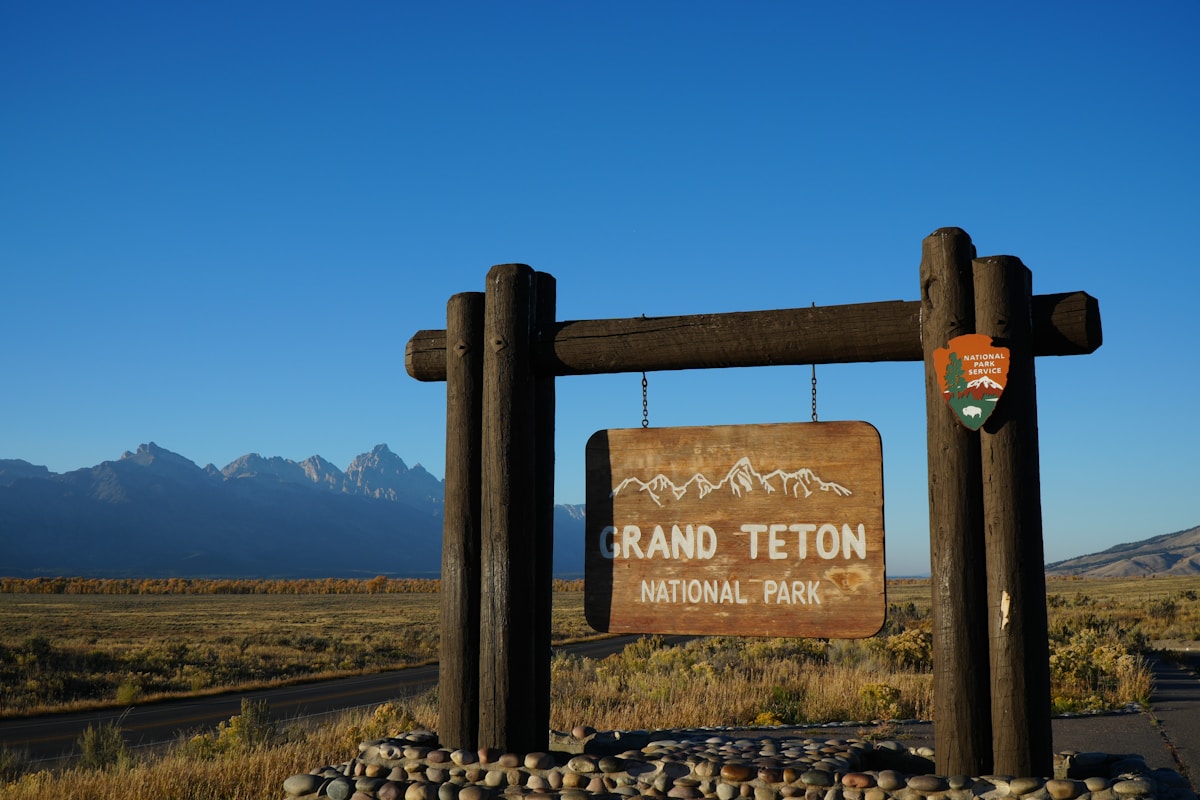
If your USA trip includes more than two or three national parks, the America the Beautiful pass is usually the single best money-saving purchase you can make. You’ll also need a car for most parks - hire a car in the USA to get between them efficiently, as public transport connections are limited. But 2026 changed the maths significantly - especially for international visitors, who now face a separate price tier and a per-person surcharge at the most famous parks. Here’s exactly how the system works and when the pass pays off.
What the Pass Covers
The America the Beautiful - National Parks and Federal Recreational Lands Pass covers entrance fees at more than 2,000 federal recreation sites: all 63 national parks plus national monuments, wildlife refuges, and forest service fee areas. One pass admits the pass holder and all passengers in a private vehicle at per-vehicle parks, or the holder plus three adults at per-person sites. Children 15 and under are always free.
The pass does not cover everything. Camping fees, timed-entry reservations (Yosemite, Glacier, Rocky Mountain, and Arches all run reservation systems in peak season), Ferry fees, and parking at a handful of sites are charged separately. State parks - including heavily visited ones like Custer State Park or Niagara Falls State Park - are a different system entirely.
2026 Pricing: Two Tiers
Pricing changed substantially in 2026. There are now separate passes for US residents and everyone else:
| Pass | Price (2026) | Who it’s for |
|---|---|---|
| Annual Pass | $80 | US residents |
| Non-Resident Annual Pass | $250 | International visitors |
| Senior Annual | $20 | US citizens/residents 62+ |
| Senior Lifetime | $80 | US citizens/residents 62+ |
| Military Annual / Veteran Lifetime | Free | US military, veterans, Gold Star families |
| Every Kid Outdoors | Free | US 4th graders + family |
Verify current prices at nps.gov/planyourvisit/passes.htm - fee policy has been changing quickly.
The $100 International Surcharge at 11 Parks
The biggest 2026 change: non-US residents pay a $100 per-person surcharge on top of the standard entrance fee at the 11 most-visited parks - Acadia, Bryce Canyon, Everglades, Glacier, Grand Canyon, Grand Teton, Rocky Mountain, Sequoia & Kings Canyon, Yellowstone, Yosemite, and Zion.
The critical detail: the Non-Resident Annual Pass waives this surcharge for the holder and up to three additional adults in the same party. That changes the calculation completely. Two international adults visiting Yellowstone, Grand Teton, and Zion would face approximately $600 in surcharges plus entrance fees without the pass - versus $250 flat with it.
When the Pass Is Worth It
For US residents ($80): standard entrance fees run $30–$35 per vehicle at major parks, valid for seven days. The break-even is three parks. A Utah Mighty 5 road trip (Zion, Bryce, Capitol Reef, Arches, Canyonlands) saves roughly $75 with the pass. If you’re doing one park only, skip it.
For international visitors ($250): the pass pays off after a single surcharge park if you’re a group of two or more adults, and after two surcharge parks even travelling solo. The only travellers who should skip it are those visiting one park once, or only visiting parks outside the surcharge list (Great Smoky Mountains, notably, has no entrance fee at all).
Where and How to Buy
- At any staffed entrance station - simplest option; available on arrival
- Online at store.usgs.gov - allow 2–3 weeks for physical delivery, so order well before your trip or buy at the gate
- REI stores in the US sell the standard pass over the counter
The pass is signable by two owners and is non-transferable beyond that. Keep photo ID with you - rangers check at busy entrances. A digital pass option via Recreation.gov rolled out alongside the 2026 changes; check availability for your entry park before relying on it.
Practical Tips
- Buy at your first park, not in advance, unless you’ve ordered online with time to spare - there’s no discount for buying early and gate purchase is instant.
- Timed-entry reservations are separate. A pass gets you past the fee booth but not past a reservation requirement. Yosemite, Glacier (Going-to-the-Sun Road), Rocky Mountain, and Arches all required reservations for peak 2026 dates - book on Recreation.gov months ahead.
- Keep your receipt if you buy seven-day entry and decide to upgrade - most parks credit that fee toward a pass purchased within the validity window.
- Fee-free days (about five per year, including the National Park Service birthday in August) waive entrance fees for everyone - but the surcharge parks are at their most crowded.
For wider trip budgeting - accommodation, food, transport between parks - see our USA travel costs guide. If you’re building a park-heavy route, our Utah Mighty 5 road trip and Southwest road trip guides cover the classic circuits. The 14-day national parks itinerary shows exactly how to structure a multi-park trip.
Search hotels in United States on Booking.com
National Park Guides
The surcharge parks (each charging $100 per non-resident adult without a pass) covered in this guide:
- Grand Canyon National Park guide - tours | stay
- Yellowstone National Park guide - tours | stay
- Yosemite National Park guide - tours | stay
- Zion National Park guide - tours | stay
- Bryce Canyon National Park guide - tours | stay
- Glacier National Park guide - tours | stay
- Grand Teton National Park guide - tours | stay
- Rocky Mountain National Park guide - tours | stay
- Acadia National Park guide - tours | stay
- Sequoia National Park guide - tours | stay
- Everglades National Park guide - tours | stay
Plan Your Trip
✈️ Book your flights to the USA 🛡️ Get travel insurance 📱 Stay connected with an eSIM 🚗 Rent a car
Ready to Plan Your Trip?
Here are our top itineraries to help you plan your USA visit:
- One Week in the USA: New York, Washington DC and Chicago - Three iconic cities in seven days
- East Coast USA 10-Day Itinerary: NYC, DC, Philadelphia & Boston - The full East Coast circuit
- 10 Days on the West Coast: LA, San Francisco and Beyond - Pacific Coast highlights