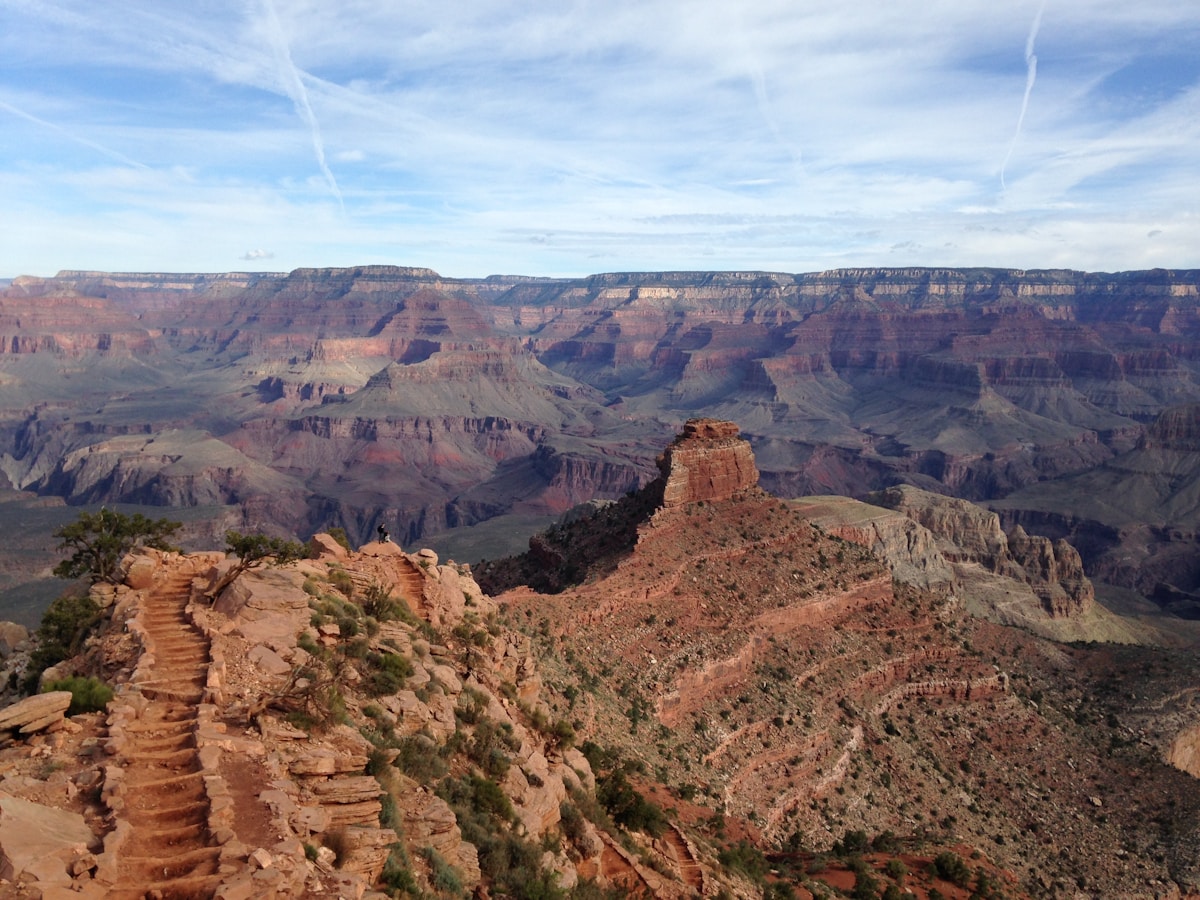
Bryce Canyon is not technically a canyon - it is a series of natural amphitheaters carved along the eastern edge of the Paunsaugunt Plateau by frost and water erosion over millions of years. The result is a dense forest of hoodoos: spires of red, orange, and white limestone up to 200 feet tall. At 8,000–9,100 feet elevation, the park also holds one of the darkest night skies in the continental United States, making it an internationally recognized stargazing destination.
Entry Fees and Passes
Entry costs approximately $35 per vehicle as of 2026 (valid for seven days, covers all occupants). Motorcycles pay approximately $30; individuals on foot or bicycle pay approximately $20. The America the Beautiful annual pass ($80) covers entry. International (non-US-resident) visitors pay an additional surcharge of approximately $100 per person at this park as of 2026; verify current rates at nps.gov before budgeting. The America the Beautiful pass (approximately $250 for non-residents) waives this surcharge.
The park entrance is open year-round, 24 hours. The visitor center operates daily 8am–8pm in summer, shorter hours in winter.
When to Visit
May through October: Full park access. All roads open, all facilities operating. The rim at 8,000+ feet stays comfortably cool even in summer (highs 70–80°F, lows 40s°F). July–August brings afternoon thunderstorms; lightning at the exposed rim is a genuine risk.
Late April and May: Snow lingers on higher elevations but the hoodoos dusted in white are spectacular. Trails may be icy in the amphitheater in early April - microspikes strongly recommended.
November through March: The park is open and dramatically beautiful in snow. Snowshoeing and cross-country skiing along the rim trail are popular. Roads to Rainbow Point remain open (snowplowed). Only Bryce Canyon Lodge is closed; the visitor center stays open. Temperatures at the rim drop to -20°F in January at night; dress for serious cold.
Stargazing: Year-round but best in June–September when nights are longer and skies clearer. The park hosts an annual Astronomy Festival (typically June). The amphitheater at Sunset Point in darkness is among the most memorable night-sky experiences in North America.
Getting There
From Las Vegas, NV (258 miles, approximately 4 hours via I-15 N and US-89 N and UT-12): The most common origin for fly-in visitors. Car rental from approximately $45/day. No public transit to the park.
From Salt Lake City, UT (270 miles, approximately 4 hours via I-15 S and US-89 S): Viable for Utah road trips. Salt Lake City International Airport has the widest flight selection.
From Zion National Park (83 miles, approximately 1.5 hours via UT-9 and US-89 N): Bryce and Zion are almost always visited together, usually as a multi-park Utah road trip. A Zion–Bryce–Grand Staircase loop is the classic 4–7 day itinerary.
Free park shuttle (May–October): Runs between Bryce Canyon City (just outside the entrance) and major viewpoints/trailheads every 10–15 minutes. Reduces parking congestion significantly. Personal vehicles can drive the 18-mile scenic drive to Rainbow Point year-round.
Must-See Trails and Attractions
Navajo Loop and Queens Garden Combination - 3 miles round trip (moderate, 2–3 hours) with 550 ft descent into the amphitheater. The Navajo Loop descends through Wall Street - a narrow slot between 100-foot hoodoos - and the Queens Garden return passes the largest collection of hoodoos in the park. This combination is the best single hike in the park for first-time visitors. Start from Sunrise or Sunset Point.
Rim Trail - 11 miles one-way along the canyon rim from Fairyland Point to Bryce Point (easy-moderate, 4–5 hours one-way or do segments). Flat or gently rolling. Passes all major overlooks. The 5.5-mile section between Sunrise and Bryce Point is the most accessible and dramatic.
Peekaboo Loop - 5.5 miles (strenuous, 3–4 hours) from Bryce Point with 1,500 ft elevation change. Crosses beneath the Wall of Windows and passes the Cathedral, a 200-foot spire. Horse traffic shares this trail - give horses the right of way.
Fairyland Loop - 8 miles (strenuous, 4–5 hours) starting at Fairyland Point (the first stop after the entrance, often overlooked). Passes Tower Bridge - a natural arch connecting two hoodoos - and has far fewer visitors than the southern trailheads. Excellent for solitude.
Mossy Cave Trail - 0.8 miles round trip (easy, 30 minutes) in the northeast section of the park, off UT-12. Leads to a water-carved cave and small waterfall fed by an 1890s irrigation channel. A quirky alternative to the main amphitheater.
Rainbow Point and Yovimpa Point - The southernmost overlooks at 9,115 ft, reached by the 18-mile scenic drive. Views extend 200+ miles into Arizona on clear days. The Bristlecone Loop (1 mile, easy, 30 minutes) from Rainbow Point passes 1,600-year-old bristlecone pines.
Permits
Day hiking requires no permit beyond park entry.
Backcountry camping requires a backcountry permit, available from the visitor center in person only. Two designated backcountry campsites in the Under-the-Rim area and Riggs Spring Loop. Permit fee approximately $5/person as of 2026. Campfires are not permitted in the backcountry.
Horse rides: Guided rides into the amphitheater available from Canyon Trail Rides (operating inside the park from Bryce Canyon Lodge) - approximately $65 for a 2-hour ride; $100 for a half-day ride as of 2026. Book in advance at canyonrides.com.
Accommodation
In-park:
- Bryce Canyon Lodge - The only in-park lodge. Historic 1924 structure. Motel rooms from approximately $220/night; rustic cabins from approximately $245/night. Open mid-April through October. Book at brycecanyonlodge.com - sells out 6+ months ahead in summer.
Search hotels in Bryce Canyon on Booking.com
Campgrounds:
- North Campground - 99 sites near the visitor center. Reservations via recreation.gov, approximately $20–25/night. Open year-round (limited sites in winter).
- Sunset Campground - 100 sites, walk to Sunset Point. Reservations via recreation.gov, same pricing. Open mid-April through October.
Bryce Canyon City, UT (just outside the entrance):
- Best Western Plus Bryce Canyon Grand Hotel - From approximately $140/night.
- Bryce Canyon Resort - Cabins and rooms from approximately $130/night.
- Several small motels and RV parks in the same strip.
Panguitch, UT - 24 miles north. Small town with basic motels from approximately $70/night. Most affordable base but adds driving time.
Tropic, UT - 11 miles east on UT-12. Quieter than Bryce Canyon City. Stone Canyon Inn from approximately $175/night; small B&Bs from approximately $100/night. Excellent views of the rim from town.
Packing and Preparation
- Microspikes or traction devices: Ice persists in the amphitheater well into spring. Trails are steep and the descent into Wall Street is treacherous on ice. Many visitor centers rent microspikes for approximately $5/day - worth it from October through May.
- Sunscreen and sunglasses: The elevation (8,000–9,100 ft) means UV intensity is high even on cool days. Snow reflects UV additionally in winter.
- Water: No water sources on most trails. The visitor center and lodge have fills. Carry 1 liter per hour minimum.
- Lightning: Afternoon storms in July–August are the main hazard. If clouds build, descend from the rim trail and exposed viewpoints by early afternoon. The open plateau is extremely exposed.
- Layers: Temperatures at the rim can drop 25°F below the nearby valleys. Even in July, bring a fleece or light jacket.
- Photography: Sunrise Point and Sunset Point names are not arbitrary - both produce outstanding light. Arrive 20–30 minutes before official sunrise; the sky begins coloring 30 minutes earlier.
- Crowds: The Navajo Loop trailhead at Sunset Point is the most congested point in the park. Start at Sunrise Point and walk east on the rim trail to Sunset Point first thing in the morning to avoid the worst shuttle congestion.
For guided ranger-led and private tours of Bryce Canyon, browse available tours and experiences. Most visitors reach national parks by car - compare car hire options in the USA for the best rates. Travel insurance is especially worth having for remote park trips where emergency evacuation can be costly.
Nearby City Guides
Bryce Canyon is stop 2 on the Utah Mighty 5 road trip - the standard sequence goes Arches → Canyonlands → Capitol Reef → Bryce Canyon → Zion, each 1.5–2.5 hours from the next. The America the Beautiful pass covers entry at all five parks for $80/year.