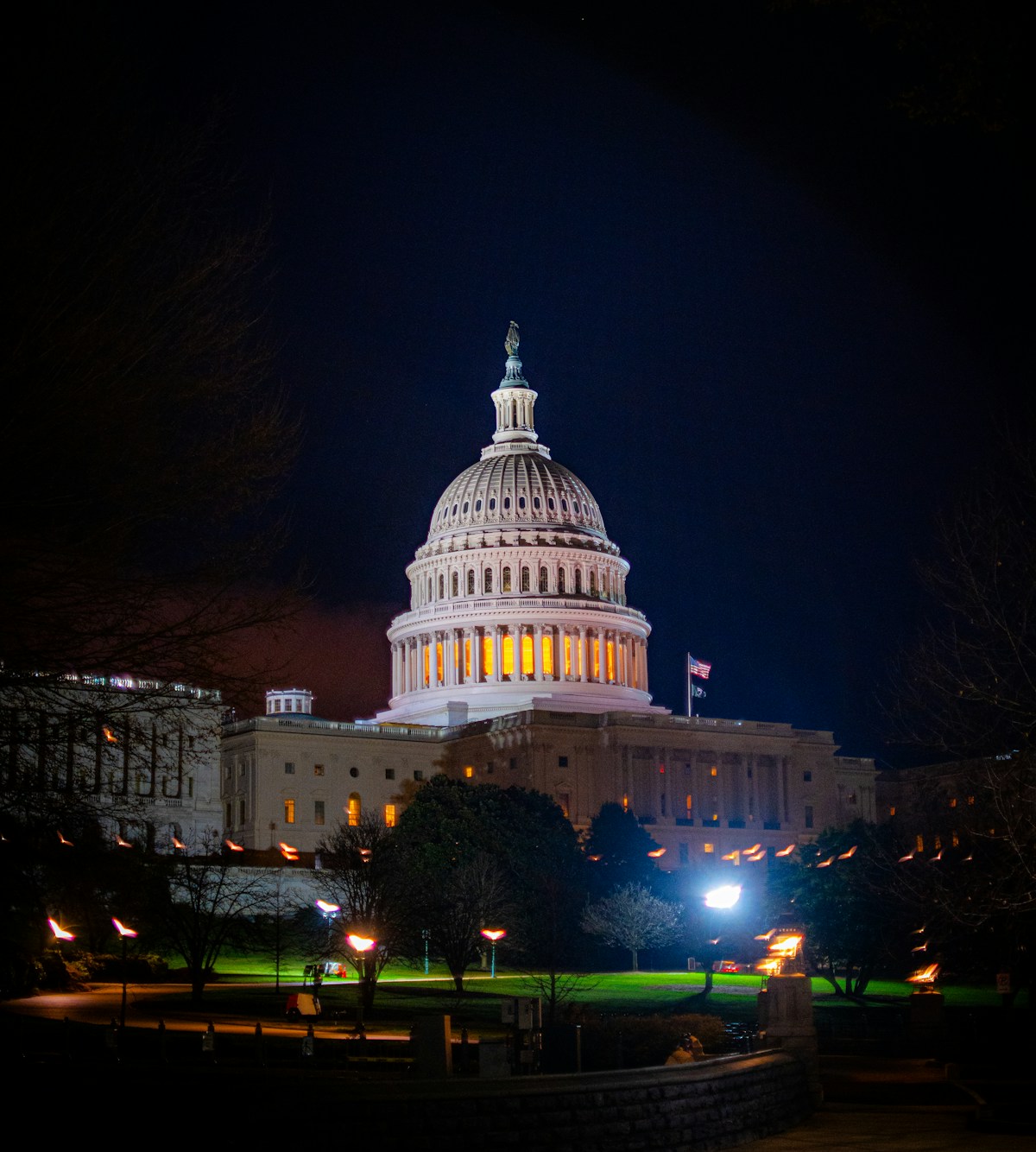
Washington DC and New York are the two great East Coast cities - different in almost every dimension, from urban scale and purpose to cost and atmosphere. New York is the world city, the commercial and cultural capital, the city that never sleeps. Washington DC is the political capital, the city of free monuments and museums, and one of the most powerful concentrations of historical memory in the world.
Quick Verdict
| Category | Washington DC | New York |
|---|---|---|
| Hotel cost | $160–260/night | $250–400/night |
| Museum costs | Mostly free (Smithsonian) | Mostly paid ($20–35) |
| Scale | Compact, planned | Vast, organic |
| Political culture | Central | Present but secondary |
| Food scene | Excellent, improving | World-class |
| Transport | Metro (good) | Subway (excellent) |
| Family value | Exceptional | Good but expensive |
| Days needed | 2–4 | 4–6 |
Search hotels in Washington Dc on Booking.com
Costs
Washington DC is significantly cheaper than New York for the same quality of experience. Hotel rates in Dupont Circle - one of DC’s most pleasant neighbourhoods: the Kimpton Carlyle Hotel on New Hampshire Ave NW runs $180–260/night. In Capitol Hill, the Liaison Capitol Hill (now Curio by Hilton) on New Jersey Ave SE runs $170–240. Budget options in Adams Morgan or Columbia Heights start around $130–170 for a reasonable independent hotel.
New York’s hotel costs are structurally higher. A comparable Midtown hotel to DC’s mid-range costs $280–380; the boutique options in Brooklyn or the Lower East Side that DC visitors would recognise as equivalent run $200–300. There are almost no well-located budget options in Manhattan under $150 for a private room.
The free museum advantage significantly changes the cost comparison for sightseeing. DC’s National Mall institutions - Air and Space Museum, Natural History Museum, American History Museum, National Gallery of Art, Portrait Gallery, Hirshhorn Modern Art Museum - are all free. The major New York institutions charge: MoMA ($25), Metropolitan Museum of Art ($30 suggested donation), American Museum of Natural History ($28). A family of four spending two days on museums in DC spends $0 on admission; the equivalent two days in New York at paid institutions costs $100–120 in admission alone.
Restaurant prices in DC have caught up considerably in the last decade. A dinner for two with drinks at a mid-range DC restaurant (say, Tail Up Goat in Adams Morgan) runs $90–120. Comparable quality in New York runs $110–160.
Museums and Monuments
This is Washington DC’s defining advantage. The Smithsonian Institution - 19 museums and galleries in Washington DC plus the National Zoo - is the world’s largest museum complex and is entirely free to enter. No other major world city has anything comparable for the free visitor.
Key Smithsonian institutions on and near the National Mall:
- National Air and Space Museum (Independence Ave SW): Wright Flyer, Hubble Space Telescope, Apollo 11 command module. One of the most visited museums in the world.
- National Museum of Natural History (10th St & Constitution Ave NW): 46-million-specimen collection, the Hope Diamond (45.5 carats, displayed free), the Sant Ocean Hall
- National Museum of American History (14th St & Constitution Ave NW): the original Star-Spangled Banner, Julia Child’s kitchen, presidential inaugural gowns
- National Gallery of Art (4th St & Constitution Ave NW): world-class European paintings including Leonardo da Vinci’s only painting in the Americas (Ginevra de’ Benci)
The National Mall monuments are free and powerful: the Lincoln Memorial (especially at dusk), the Vietnam Veterans Memorial (Maya Lin’s masterwork), the Korean War Veterans Memorial, and the Martin Luther King Jr. Memorial. The White House can be viewed from Pennsylvania Avenue; tours require advance coordination through your Congressional representative (US citizens) or Embassy (foreign visitors).
New York’s museums are world-class but paid. The Metropolitan Museum of Art ($30 suggested, but technically you can pay less) is the finest encyclopaedic art museum in the Western Hemisphere. MoMA’s collection of 20th-century art is unmatched globally. The Brooklyn Museum ($20) is excellent and often uncrowded.
Food
DC’s food scene has undergone a remarkable transformation since 2010. José Andrés’ Minibar on Penn Quarter (14-course tasting menu, $350/person) holds two Michelin stars and is one of the most celebrated restaurants on the East Coast. The Shaw neighbourhood (centered on 7th and 9th Street NW) has some of the most dynamic restaurant openings in the city. Ethiopian food in DC (centered on U Street and 9th Street NW) is the best in the USA outside of Ethiopian communities in Los Angeles - Ethiopic on H Street NE and Zenebech Injera on U Street are exceptional ($18–28/person for a full meal).
Central Michel Richard (1001 Pennsylvania Ave NW, $60–90/person) and Maydan in Logan Circle (Middle Eastern wood-fired cooking, $55–80/person) represent DC’s current food moment. For more casual eating: Ben’s Chili Bowl on U Street (a DC institution since 1958) does the famous half-smoke chili dog for $6–8.
New York’s food diversity remains unmatched: more Michelin-starred restaurants, more ethnic cuisine diversity, more density of options at every price point. For a specifically US-political culture food experience, DC has the better “power lunch” restaurant tradition around K Street and Pennsylvania Avenue.
Political Culture and History
This is DC’s unique offering. The US Capitol can be toured free (book in advance at visitthecapitol.gov - tours run Monday–Saturday); the Capitol grounds are walkable without a reservation. The Supreme Court is open to the public for free tours and, when in session, oral arguments (arrive early - seating is limited and first-come-first-served). The Library of Congress (10 First St SE, free) has the most beautiful interior of any building in Washington.
The National Archives (700 Pennsylvania Ave NW, $20 adults) displays the original Declaration of Independence, Constitution, and Bill of Rights in temperature-controlled cases. These are the actual founding documents of American democracy - a genuinely moving experience for history-focused visitors.
New York’s political and historical depth is different - Ellis Island ($24 ferry + entry) tells the immigration story at the core of American identity; the Tenement Museum on the Lower East Side ($30 guided tour) examines 19th and 20th century immigrant urban life.
See city guides for Washington DC and New York City.
Neighbourhoods
DC’s neighbourhoods are compact and approachable. Dupont Circle is the classic walkable hub - Embassy Row, independent bookshops, café culture, and the excellent Sunday farmers’ market on Connecticut Ave. Georgetown (no Metro access - walk from Dupont or take an Uber) has 18th-century brick townhouses, the C&O Canal towpath (excellent walking and cycling), and boutique shopping on M Street. Adams Morgan is the nightlife and international restaurant hub. Capitol Hill’s residential streets around Eastern Market are some of the most attractive in the city.
New York’s neighbourhoods are more varied and more numerous - the West Village, East Village, SoHo, TriBeCa, Williamsburg, Astoria, Flushing - each a distinct character and each requiring navigation expertise. DC’s layout (Pierre Charles L’Enfant’s original 1791 plan with diagonal avenues overlaid on a grid) is intuitive once you understand that lettered streets run East-West and numbered streets run North-South, with lettered diagonal avenues named after states cutting across.
Getting Around
DC’s Metro (WMATA) is clean, efficient, and covers all major tourist sites. A SmarTrip card fare runs $2–6 depending on distance. The Metro connects all the main attractions: the Mall stations (Federal Triangle, Archives, Smithsonian, L’Enfant Plaza) put you steps from the major free institutions. The Metro runs until midnight on weekdays and 1am on weekends - less useful for late nights but adequate for most tourist activity.
New York’s subway runs 24/7 ($2.90/ride, $34/week unlimited) and is more comprehensive - 472 stations versus DC’s 91. DC’s Circulator bus ($1) supplements the Metro for surface-level navigation.
Neither city benefits from a rental car.
When to Visit
DC’s signature event: Cherry Blossom season (late March to early April, dates vary by year) draws enormous crowds to the Tidal Basin - the combination of Jefferson Memorial and pink blossoms is one of the most photographed scenes in America. Hotel rates spike and advance booking (3–4 months) is essential during peak blossom week.
Best weather: spring (April–June) and fall (September–November). DC summers are hot and humid (90–95°F with high humidity) but the free museums make it manageable as a summer trip. Winters are cold (30–40°F) with occasional snow; January through March has the lowest hotel rates and manageable crowds.
New York follows a similar pattern: spring and fall best, summer expensive and hot, winter cold but functional.
The Verdict
Washington DC wins on value - the free Smithsonian institutions alone make it exceptional value, and the hotel rates are significantly lower. It’s also the better choice for families, first-time USA visitors who want American history rather than pure urban immersion, and anyone interested in political culture and civics.
New York wins on scale, food diversity, cultural breadth, and the intensity of urban experience. There’s no American city that delivers more concentrated cultural stimulus per day.
The train connection makes doing both practical: 3 nights in DC and 4 nights in New York covers the highlights of both without feeling rushed.
Read best time to visit the USA and getting around the USA.
For guided tours in either city, browse the full USA tours selection. Compare flights to the USA and set up travel insurance before your trip.
More City Guides and Comparisons
- Washington DC travel guide
- New York City travel guide
- New York vs Chicago comparison
- Boston vs New York comparison
- East Coast 10-day itinerary
- Scenic Amtrak routes guide
- 3 days in New York itinerary
Plan Your Trip
✈️ Book your flights to the USA 🛡️ Get travel insurance 📱 Stay connected with an eSIM 🚗 Rent a car
Ready to Plan Your Trip?
Here are our top itineraries to help you plan your USA visit:
- 3 Days in New York City: First-Timer’s Itinerary - The best of the city in a long weekend
- 7 Days in New York City: Itinerary - A full week exploring every neighbourhood
- East Coast USA 10-Day Itinerary: NYC, DC, Philadelphia & Boston - The full East Coast circuit