New York City: Manhattan, Museums & World-Class Food
Plan your New York City trip with hotels, restaurants, attractions, and transport tips. Everything you need for NYC.
Guides for New York City
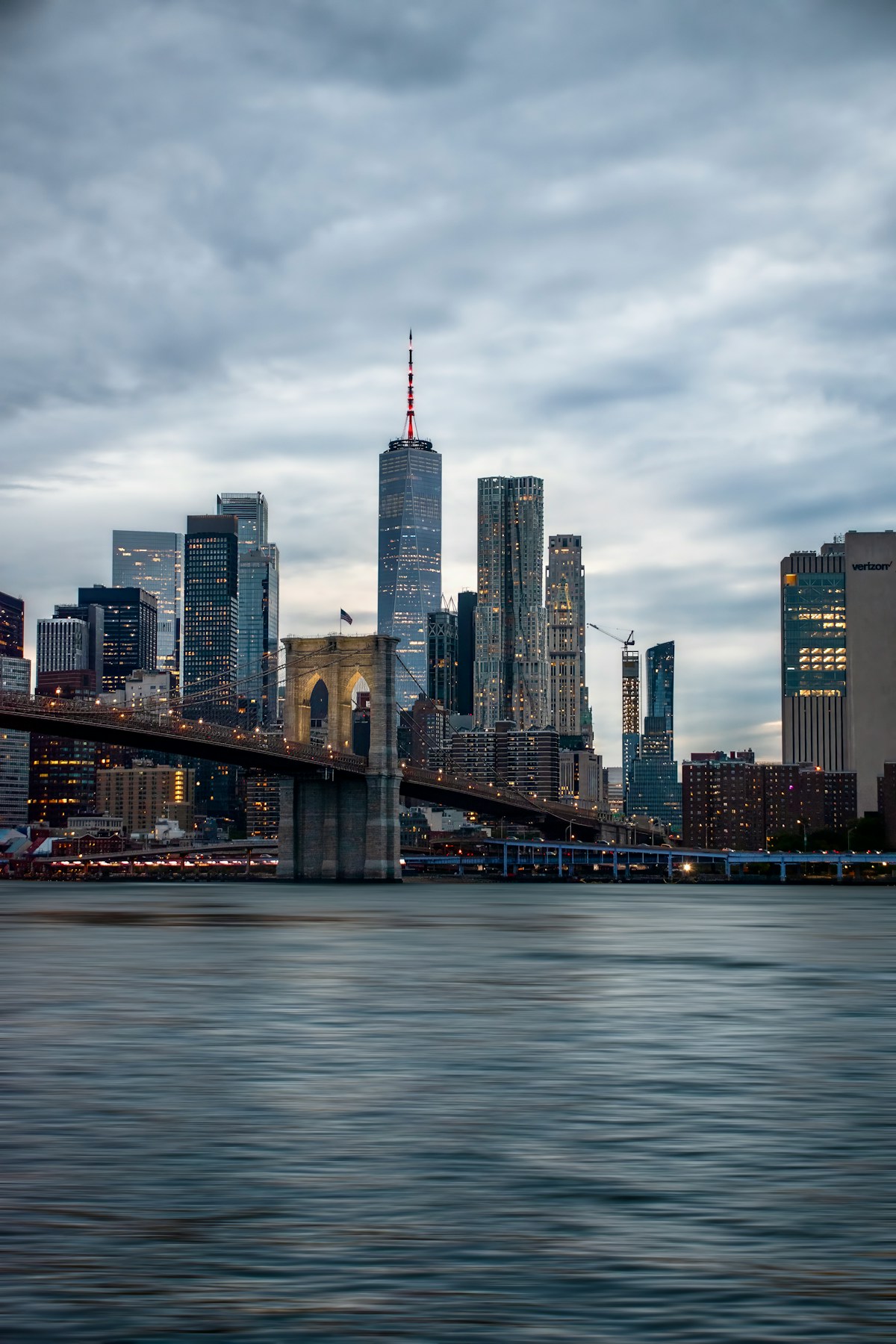
New York City is one of the most visited cities in the world for good reason. Five boroughs, over 27,000 restaurants, the world’s most recognisable skyline, and a public transit system that runs around the clock - NYC rewards careful planning and punishes none at all. This guide covers where to sleep, eat, and spend your time, with specific venues, real prices, and practical transport information as of 2026.
When to Go
Spring (April–June) and autumn (September–November) are the most comfortable seasons for exploring on foot. Summers are humid and crowded; winters can be bitterly cold but hotel rates drop and the city’s cultural calendar stays full. The cheapest flights generally land in January and February. Major events that affect hotel pricing include New York Fashion Week (February and September), the New York City Marathon (first Sunday in November), and the Tribeca Film Festival (typically June).
Getting There and Around
By air: JFK International Airport is approximately 45 minutes from Midtown by AirTrain ($8.25 as of 2026) plus subway ($2.90). Newark Liberty (EWR) is a similar journey via NJ Transit and Penn Station (approximately $18 as of 2026). LaGuardia (LGA) has no rail connection; a taxi or rideshare from LGA to Midtown runs approximately $35–$55.
Subway: The MTA subway covers Manhattan comprehensively and reaches all four outer boroughs. A single fare is $2.90; an unlimited 7-day MetroCard costs approximately $34 as of 2026. The subway runs 24 hours, though late-night service can be slow on some lines.
Taxis and rideshare: Yellow taxis use meters; expect to pay $12–$20 for a typical Midtown-to-downtown trip before tip. Uber and Lyft operate freely throughout the five boroughs.
On foot: Lower Manhattan, Midtown, and the Upper West/East Side are all walkable if you plan your day by neighbourhood.
Where to Stay
Luxury (from approximately $450/night)
Search hotels in New York City on Booking.com
The Peninsula New York (700 Fifth Avenue at 55th Street) is one of the city’s most celebrated hotels. Rooms from approximately $795/night as of 2026. The rooftop bar has unobstructed views toward Central Park and the Midtown skyline.
The Carlyle (35 East 76th Street, Upper East Side) charges from approximately $595/night and remains the choice for visitors who want a quieter residential-neighbourhood feel without sacrificing access to Central Park or the Met.
1 Hotels Brooklyn Bridge (60 Furman Street, Brooklyn) offers East River and Manhattan skyline views from approximately $450/night. It positions you well for DUMBO, the Brooklyn Bridge, and Brooklyn’s restaurant corridor.
Mid-Range (from approximately $200–$350/night)
The Arlo NoMad (11 East 31st Street) runs from approximately $220/night with compact but efficiently designed rooms in a prime location for the Empire State Building and Penn Station. The rooftop bar is a practical bonus.
citizenM New York Bowery (189 Bowery) starts at approximately $210/night and suits those planning to spend time in SoHo, the Lower East Side, and Brooklyn. Rooms are small but well fitted-out; the 24-hour food and drink area handles early and late arrivals without fuss.
Row NYC (700 Eighth Avenue, Times Square) is one of the better value large-format hotels in Midtown, from approximately $195/night. Location puts you within walking distance of the Theater District, Port Authority, and the High Line.
Budget (from approximately $100–$180/night)
The Jane Hotel (113 Jane Street, West Village) occupies a 1908 sailors’ boarding house and retains its original cabin-style rooms from approximately $110/night for the smaller options. It is genuinely characterful rather than merely cheap.
HI NYC Hostel (891 Amsterdam Avenue, Upper West Side) offers dorm beds from approximately $50/night and private rooms from approximately $130/night. The building is a 1883 landmark and the common areas are better than most hostels in this price tier.
Top Attractions
Central Park - Free, always open. 843 acres covering the centre of Manhattan. Pick up a trail map at the Dairy Visitor Center (mid-park at 65th Street, open Tuesday–Sunday 10am–5pm). Recommended routes: the 6-mile loop, the Ramble, and Bethesda Terrace.
The Metropolitan Museum of Art (1000 Fifth Avenue) - Suggested admission approximately $30 for adults, $17 for seniors, free for members and NYC residents under 12 as of 2026. Open Sunday–Tuesday and Thursday 10am–5pm, Friday–Saturday 10am–9pm, closed Wednesday. Allow at least half a day; the Egyptian Wing and European Paintings galleries alone justify the fare.
Empire State Building (20 West 34th Street) - Main deck (86th floor) from approximately $44/adults, top deck (102nd floor) from approximately $77 as of 2026. Open 10am–midnight daily. Book timed-entry tickets online to avoid queues.
The High Line - Free, open 7am–10pm (later in summer). A 1.45-mile elevated park built on a former freight rail line running from Gansevoort Street in the Meatpacking District to 34th Street. No crowds before 9am; very crowded on summer weekend afternoons.
One World Observatory (285 Fulton Street) - From approximately $42/adults as of 2026. Open 9am–9pm daily. The 102nd-floor observation deck offers the clearest view of Lower Manhattan, the harbour, and all four outer boroughs.
Brooklyn Bridge - Free to walk. The pedestrian path runs on the upper level; access from the Manhattan side at Centre Street/Park Row or from Brooklyn at Tillary Street. The walk takes approximately 30 minutes one-way.
American Museum of Natural History (200 Central Park West) - General admission approximately $28/adults, $21/children (4–12) as of 2026. Open 10am–5:30pm daily. The Rose Center for Earth and Space and the dinosaur halls are the main draws.
MoMA - Museum of Modern Art (11 West 53rd Street) - Approximately $30/adults, free for members as of 2026. Open Monday–Thursday and Saturday–Sunday 10:30am–5:30pm, Friday 10:30am–8pm. Closed Tuesday.
Food and Drink Overview
New York’s restaurant scene covers every cuisine, price point, and meal format. Chinatown (Manhattan and Flushing, Queens) for dim sum and hand-pulled noodles; the East Village and Lower East Side for Japanese, Korean, and modern American; the West Village for wine bars and Italian; Williamsburg and Greenpoint for newer restaurant openings. See our NYC Food Guide for specific recommendations by neighbourhood. Plant-based eaters will find NYC one of the most accommodating cities in the country - from Eleven Madison Park’s fully vegan tasting menu to affordable Ethiopian fasting plates in Harlem and Buddhist vegetarian Chinese in Flushing. See our vegan guide to New York City for the full range.
Practical Tips
- Tipping: 18–22% at restaurants is standard; 15% for taxis. Hotel housekeeping: $2–$5/night.
- Sales tax: New York City adds 8.875% sales tax to most purchases, including restaurant meals.
- Safety: NYC’s crime rate has fallen substantially over three decades. Standard urban precautions apply; keep phones in pockets on the subway.
- Electricity: 110V/60Hz with US two- or three-pin plugs. European and UK visitors need an adapter.
- NYC Pass or Explorer Pass: Worth calculating if you plan to visit four or more paid attractions; the savings can be significant but are only realised if you use every included attraction.
Planning your New York City trip? Browse guided tours and activities in New York City to book tickets and experiences in advance, or check last-minute tour availability if you’d rather book on arrival. For getting around the wider region, car hire in the USA gives you the most flexibility. Visitors from outside the USA will also want to sort travel insurance and an eSIM for the USA before departure.
More New York City Guides
- Things to do in New York City
- New York City food guide
- Best hotels in New York City
- Day trips from New York City
- World Cup 2026 in New York City
- Vegan guide to New York City
- New York vs Chicago comparison
- New York vs Los Angeles comparison
- Boston vs New York comparison
- Washington DC vs New York comparison
- 3 days in New York City itinerary
- 7 days in New York City itinerary
- East Coast 10-day itinerary
- New York State travel guide
Upcoming Events in New York City
- NYC Village Halloween Parade 2026
new york city
Village Halloween Parade 2026, October 31 in New York City. 60,000 costumed marchers down 6th Avenue through Greenwich Village.
- TCS New York City Marathon 2026
new york city
TCS New York City Marathon 2026, November 1. 50,000+ runners through all five boroughs, finishing in Central Park.
- Macy's Thanksgiving Day Parade 2026
new york city
Macy's Thanksgiving Day Parade 2026, 26 November. The 100th edition of America's most-watched Thanksgiving tradition, with giant balloons through Manhattan.
- New Year's Eve Times Square Ball Drop 2027
new york city
Times Square Ball Drop 2027, December 31. 58,000 in the pens at midnight, with the countdown broadcast to over a billion worldwide.
Book an experience
Top experiences in New York City
Explore the best tours and activities in New York City , with instant confirmation and free cancellation on most bookings.
Where to stay: Browse hotels in New York City on Booking.com; filter by dates, budget, and guest rating.