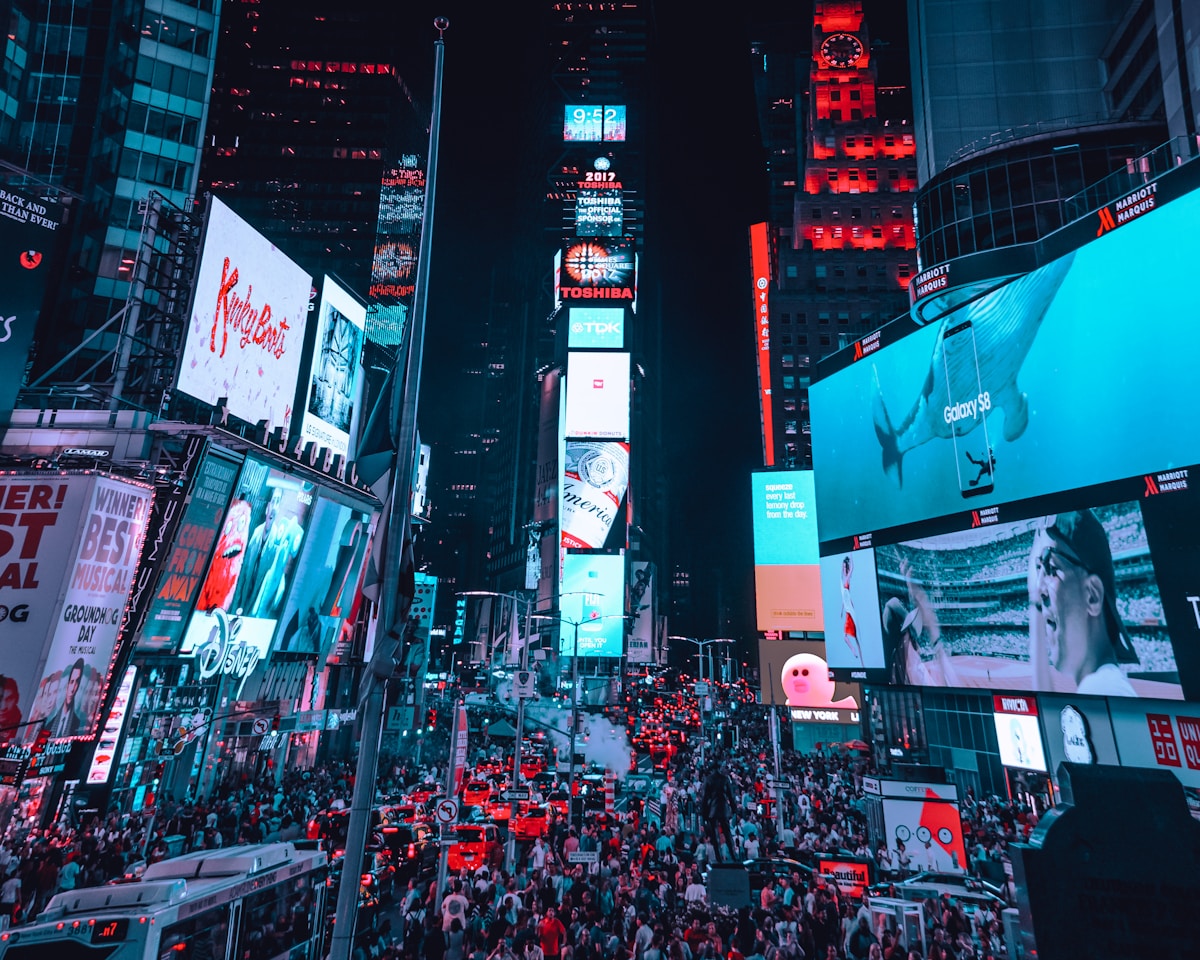
New York rewards a focused approach. Three days is not enough to see everything - no amount of time is - but it is enough to experience the city’s core: the scale of Midtown, the cultural weight of its museums, the waterfront from Brooklyn, and the neighbourhood character of downtown Manhattan. This itinerary prioritises the essentials without trying to cram in every landmark.
Before You Go: Practical Essentials
Getting from the airport: JFK to Midtown runs approximately $70–90 by taxi (flat rate plus tolls and tip) or $11 via the AirTrain + subway combination. Newark Liberty costs approximately $15–20 via NJ Transit + PATH train, or $80–100 by taxi. LaGuardia is closest - roughly $35–50 by taxi or accessible via the LaGuardia Link Q70 bus to the 7 train.
Transport in the city: Buy a 7-day unlimited MetroCard ($34 as of 2026) on arrival. It pays for itself by day two. The subway runs 24 hours, though late-night waits can stretch to 15–20 minutes.
When to visit: April–June and September–November offer the best weather. July and August are hot and humid (regularly above 32°C). Winter is cold but brings smaller crowds and lower hotel prices.
Day 1: Midtown Manhattan, Central Park, and the MET
Morning - Times Square and Midtown
Start at Times Square to orient yourself. The spectacle is worth seeing once, but do not linger - it is pure commercial theatre. Walk north along Broadway or 7th Avenue toward Central Park, passing through the Theater District.
Stop at Top of the Rock (Rockefeller Center, 30 Rockefeller Plaza) for the best panoramic view in the city. Unlike the Empire State Building, the view from here includes the Empire State Building. Entry is approximately $43 for adults as of 2026. Open 9am–midnight daily. Book a timed slot online to avoid the queue - morning slots before 10am are least crowded.
Midday - Central Park
Enter Central Park at 59th Street and walk north. The southern section from the Pond through the Mall to Bethesda Terrace covers the park’s most photographed spots in roughly 90 minutes of walking. If the weather is good, grab lunch from a cart or bring food from a deli - the park is a far better lunch spot than any Times Square restaurant.
For a sit-down lunch, exit the park on the Upper West Side and eat at Jacob’s Pickles (509 Amsterdam Avenue) - Southern comfort food, large portions, approximately $18–25 per plate. Or try Barney Greengrass (541 Amsterdam Avenue) for classic New York smoked fish and bagels, approximately $15–22.
Afternoon - The Metropolitan Museum of Art
Walk east across the park to the Metropolitan Museum of Art (1000 5th Avenue). Entry is $30 for adults as of 2026 (mandatory for non-New York residents). The MET is enormous - over two million works. For a first visit, focus on the Egyptian Temple of Dendur (Gallery 131), the American Wing period rooms, and the European Paintings galleries (Vermeer, Rembrandt, Monet). Allow at least 2.5 hours. Open Sunday–Tuesday and Thursday 10am–5pm, Friday–Saturday until 9pm.
Evening - Dinner and Times Square at Night
Head back to Midtown for dinner. Don Antonio (309 West 50th Avenue) serves excellent Neapolitan pizza from approximately $16 per pie. For something more upscale, The Smith (956 2nd Avenue) offers American brasserie dishes from approximately $22–35 per plate.
Return to Times Square after dark to see it lit up - it hits differently at night.
Day 2: Statue of Liberty, Lower Manhattan, and Brooklyn
Morning - Statue of Liberty and Ellis Island
Take the subway to Bowling Green (4/5 trains) or South Ferry (1 train). The Statue City Cruises ferry departs from Battery Park. Reserve tickets well in advance - pedestal access tickets ($24.50 as of 2026) sell out weeks ahead. Crown access ($24.50, limited to 10 people per time slot) sells out months ahead. Standard ferry + grounds tickets are approximately $24.50. First ferry departs at 8:30am.
Allow 3–4 hours for the Statue of Liberty and Ellis Island combined. The Ellis Island Immigration Museum is included with the ferry ticket and is genuinely worthwhile - the oral histories and passenger records bring the immigration story to life.
Afternoon - Brooklyn Bridge and DUMBO
Walk from Battery Park to the Brooklyn Bridge. The pedestrian walkway runs above the traffic lanes. Cross from the Manhattan side heading toward Brooklyn - this direction gives you the Manhattan skyline behind you for photos. The walk takes 25–35 minutes.
On the Brooklyn side, walk down into DUMBO (Down Under the Manhattan Bridge Overpass). The view of the Manhattan Bridge from Washington Street is one of the most photographed spots in the city. Walk along the waterfront at Brooklyn Bridge Park - the views back to Manhattan are spectacular, especially in the late afternoon light.
For a late lunch in DUMBO, try Time Out Market (55 Water Street) for a range of options from approximately $12–20 per dish, or Juliana’s Pizza (19 Old Fulton Street) for what many consider the best coal-oven pizza in New York, approximately $22–28 per pie.
Evening - Brooklyn Heights and Dinner
Walk through Brooklyn Heights Promenade for sunset views of lower Manhattan. For dinner, take the subway (A/C from High Street) back to Manhattan or stay in Brooklyn. In Brooklyn, River Café (1 Water Street) is a splurge option with prix fixe dinner from approximately $160 per person. For something casual, Grimaldi’s nearby or head to the bars along Atlantic Avenue.
Day 3: SoHo, Greenwich Village, and Broadway
Morning - SoHo Shopping and Architecture
Start in SoHo (take the C/E to Spring Street or N/R/W to Prince Street). The neighbourhood’s cast-iron architecture is worth looking at even if you are not shopping. Walk along Broadway, Greene Street, and Mercer Street. The shopping is high-end along Broadway and more boutique on the side streets.
For breakfast, Balthazar (80 Spring Street) is a SoHo institution - French brasserie serving pastries and breakfast dishes from approximately $16–28. Arrive before 9am on weekdays to avoid the worst of the wait.
Midday - Greenwich Village
Walk west into Greenwich Village. Washington Square Park is the neighbourhood’s anchor - street musicians, chess players, and the iconic arch. Walk along Bleecker Street through the heart of the Village, then south through the narrow streets of the West Village - some of the most attractive residential streets in Manhattan.
Lunch at Joe’s Pizza (7 Carmine Street) for a classic New York slice (approximately $3.50–4.50 per slice as of 2026) or Murray’s Bagels (500 6th Avenue) for proper New York bagels from approximately $5–8 with toppings.
Afternoon - Chelsea and the High Line
Walk north to Chelsea Market (75 9th Avenue) - a food hall inside a former Nabisco factory. Browse the vendors and pick up something to eat, then step outside to the High Line, the elevated park built on a disused rail line. Walk the High Line north from Gansevoort Street - the views, landscaping, and public art make it one of the best free attractions in the city. The full walk from the southern end to Hudson Yards takes about 45 minutes.
Evening - Broadway Show
A Broadway show is a fitting end to three days in New York. Ticket prices vary enormously - from approximately $80 for rear mezzanine at a long-running musical to $300+ for premium orchestra seats at a new production. The TKTS booth in Times Square (47th Street and Broadway) sells same-day discount tickets at 20–50% off. The booth opens at 3pm for evening shows - arrive by 2:30pm for the best selection.
For pre-theatre dinner, Sardi’s (234 West 44th Street) is a classic Theater District choice with dishes from approximately $28–45. For something quicker, Los Tacos No. 1 (229 West 43rd Street) serves excellent tacos from approximately $4–5 each.
Where to Stay
Budget (from $150 per night as of 2026)
Search hotels in New York on Booking.com
HI New York City Hostel (891 Amsterdam Avenue, Upper West Side) - the largest hostel in North America. Dorm beds from approximately $60, private rooms from approximately $150. Clean, well-run, with a large common area and outdoor terrace. Near the 1 train.
Pod 51 (230 East 51st Street, Midtown East) - compact but well-designed rooms with bunk options. From approximately $150 per night. Excellent Midtown location near the 6 train.
Mid-Range ($250–400 per night as of 2026)
citizenM New York Times Square (218 West 50th Street) - modern, tech-forward rooms with floor-to-ceiling windows. From approximately $250 per night. Rooftop bar with skyline views.
The Frederick Hotel (95 West Broadway, Tribeca) - boutique hotel in a quieter downtown neighbourhood. From approximately $300 per night. Close to the subway and walking distance to SoHo.
Luxury (from $500 per night as of 2026)
The Beekman (123 Nassau Street, Financial District) - housed in a landmark 1880s building with a nine-story Victorian atrium. From approximately $500 per night. Two Tom Colicchio restaurants on-site.
1 Hotel Central Park (1414 6th Avenue) - design-led hotel directly overlooking Central Park. From approximately $600 per night. Rooftop bar with park views.
Budget Summary
| Category | Budget | Mid-Range | Luxury |
|---|---|---|---|
| Hotel (3 nights) | $450–600 | $750–1,200 | $1,500–2,400 |
| Food (3 days) | $100–150 | $200–350 | $400–600 |
| Transport | $34 (MetroCard) | $50–80 | $150–250 |
| Attractions | $80–120 | $120–180 | $180–250 |
| Broadway ticket | $80–120 | $150–200 | $250–350 |
| Total per person | $750–1,025 | $1,270–2,010 | $2,480–3,850 |
All prices are approximate as of 2026. Broadway show prices fluctuate significantly by production and seat location.
Getting Around
The subway is the backbone of this itinerary. Every stop mentioned is within a short walk of a station. Key lines to know:
- 1/2/3 - runs the west side of Manhattan from South Ferry through Times Square to the Upper West Side
- 4/5/6 - runs the east side, useful for Grand Central and the Upper East Side (MET)
- A/C - express/local to Brooklyn (High Street for DUMBO)
- N/R/W - runs through SoHo (Prince Street), Union Square, and Times Square
Taxis and rideshares (Uber, Lyft) are readily available but expensive during peak hours. Budget approximately $15–25 per ride within Manhattan, more for cross-borough trips.
For flights, compare USA flights on Aviasales. Book tours and activities in New York City in advance - popular shows and observation decks sell out during peak season. Sort travel insurance before departure.
More New York & East Coast Guides
- New York City travel guide
- New York City hotels guide
- 7 days in New York City itinerary
- East Coast 10-day itinerary
Book Your Trip
- Flights - Find the best fares to the USA · flights guide
- Travel Insurance - Get covered before you go · insurance guide
- eSIM - Stay connected from landing · eSIM guide
- Airport Transfers - Pre-book your transfer from your nearest major airport
- Car Rental - Compare prices across providers · car hire guide
- Tours & Activities - Browse the USA tours on GetYourGuide