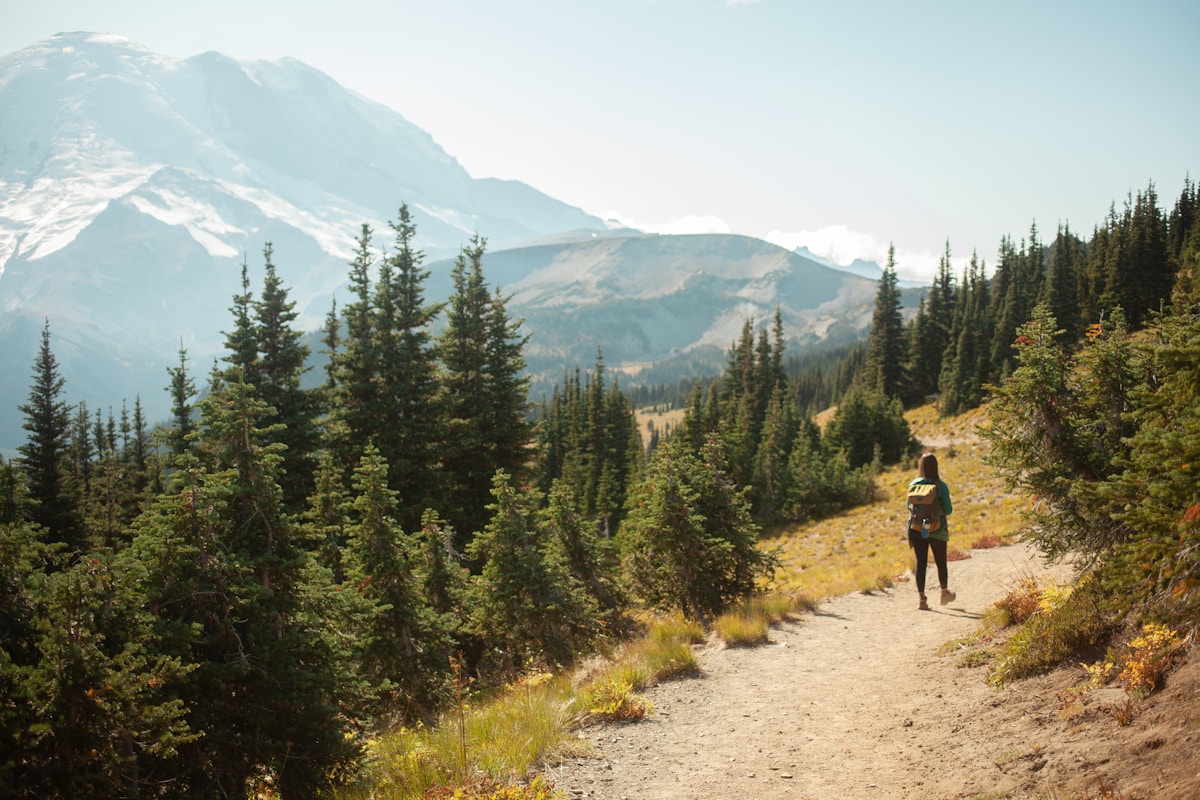
Packing for the USA is complicated by the country’s size. Temperatures in Phoenix in July average 40°C (104°F) while Anchorage is averaging 18°C (64°F) on the same day. A two-week trip that starts in New York and ends in Miami means four distinct climate zones and several dress codes. This guide breaks down what to pack by season, by region, and by trip type.
Documents and Money
Never pack these in checked luggage. Keep originals in your carry-on and photos backed up to cloud storage.
- Passport (valid for at least 6 months beyond your return date)
- ESTA approval printout or B-2 visa copy
- Travel insurance certificate and 24-hour emergency contact number
- International driving permit if you plan to rent a car (not required in most states but useful) - compare rental prices across all major US suppliers before you arrive
- Copies of hotel reservations and any ticketed attraction bookings
- Emergency cash: $100–200 in mixed small bills ($1, $5, $20) for tips, parking, and cash-only vendors
Download the Google Maps app and save offline maps before you leave - roaming data is never guaranteed, especially in national parks and rural areas.
Power Adapters
The USA uses Type A and Type B plugs (two flat pins / two flat pins plus a round earth pin) at 120V/60Hz. Most modern laptops, phone chargers, and cameras handle 100–240V automatically - check the label on your charger, which will say “Input: 100-240V” if compatible.
If your device is 240V only (rare in consumer electronics but possible with some hair appliances), you need a voltage converter, not just an adapter. Hair straighteners and travel kettles frequently have this problem.
Recommended: BESTEK Universal Travel Adapter (~$25, covers US, UK, EU, AU plugs) or a simple US adapter from your home country.
Tech Essentials
- Unlocked smartphone - US carriers use GSM and 5G; check your phone is unlocked before travel
- Portable power bank (20,000mAh for multi-day trips away from power) - Anker PowerCore 20100 is a reliable choice at around $45
- Universal USB-C cable - most US hotels charge USB-A and USB-C; bring both cable types
- Offline maps downloaded to phone before departure
- Noise-cancelling earbuds for long domestic flights
Health and Pharmacy
US pharmacies (CVS, Walgreens, Rite Aid) stock most over-the-counter medications, but brand names differ from European equivalents - paracetamol is sold as acetaminophen (Tylenol), ibuprofen as Advil or Motrin, antihistamines as Benadryl or Claritin. Prices are higher than in the UK or Europe for most items.
Pack from home:
- Any prescription medications in original packaging with the prescription label
- A letter from your doctor for controlled substances or injectable medications
- Basic first aid: plasters (Band-Aids), antiseptic wipes, blister pads (essential for city walking)
- Sunscreen SPF 50+ - US sunscreen tends to be chemical-formula heavy; if you prefer mineral SPF, bring your own
- Insect repellent (DEET 20–30%) if visiting Florida, Louisiana, or any tropical zone
- Motion sickness tablets if you plan long road trips or boat tours
Summer Packing (June–August)
East Coast (New York, Boston, Washington DC): Hot and humid, averaging 28–34°C (82–93°F). Humidity makes it feel warmer. Pack lightweight breathable fabrics - linen, cotton, moisture-wicking synthetics. Layers are still needed for air-conditioned interiors: US restaurants, malls, and offices often blast air conditioning to near-freezing temperatures. A light cardigan or packable layer is essential.
Southwest (Phoenix, Las Vegas, Death Valley): Dry desert heat; temperatures regularly reach 40–48°C (104–118°F) in July. Wear lightweight long sleeves and a wide-brim hat to protect from UV as much as from heat - exposed skin burns within 20 minutes in direct desert sun. Closed-toe shoes for walking on hot pavement. Pack double your usual water intake for hiking days.
Florida and the Gulf Coast: Subtropical; expect afternoon thunderstorms from June through September. A packable rain jacket or compact umbrella is worth carrying. Humidity is relentless. Quick-dry swimwear and reef-safe sunscreen (required in some Florida marine parks) belong on the packing list.
Pacific Northwest (Seattle, Portland): Warm and relatively dry in summer (20–28°C / 68–82°F), with little rain June through August. This is the easy season - light layers, one waterproof layer for the occasional shower.
Hawaii: Year-round warmth at 27–32°C (80–90°F). Standard beach and outdoor clothing applies. Reef-safe sunscreen is legally required in Hawaii - avobenzone and zinc oxide formulas are compliant; oxybenzone and octinoxate are banned. Reef-safe SPF50 from brands like Raw Elements or Thinksport (~$18–22) is available locally but often sold out near popular dive sites.
Winter Packing (December–February)
Northeast and Midwest (New York, Chicago, Boston): Genuine winter. New York averages -1 to 4°C (30–40°F) in January; Chicago averages -8 to -2°C (18–28°F) with wind chill that pushes the felt temperature well below -15°C. Pack:
- Insulated down or synthetic-fill coat (Canada Goose, Moncler, or The North Face rated to at least -10°C)
- Thermal base layers (Merino wool is warmest-to-weight)
- Waterproof insulated boots - Sorel Caribou or UGG Classic are popular choices; ice-grip soles are worth it in Chicago and Boston
- Warm hat, gloves, and a scarf
- USB heated gloves or hand warmers for very cold days
Southeast (Miami, Atlanta, New Orleans): Mild winters, 15–22°C (59–72°F), with occasional cooler evenings. Light layers are sufficient; a medium-weight jacket handles all but the coldest nights.
Mountain West (Denver, Salt Lake City, Jackson Hole): Cold and snowy. If skiing or snowboarding, rent equipment locally rather than flying with it unless you are particular about your own gear. Mountain resorts stock rentals - Ski Butlers delivers to your accommodation in most major ski towns.
Shoulder Season (March–May, September–November)
The most variable time of year, especially in the Northeast and Midwest. Pack layers rather than heavy single items: a base layer, a mid-layer fleece, and a waterproof outer shell is more versatile than one thick coat. Mornings can be 8°C (46°F) in New York in April while afternoons reach 20°C (68°F).
Footwear
The USA involves a lot of walking, especially in cities. Bring:
- One pair of comfortable walking shoes (Nike, Adidas, New Balance, Allbirds - break them in before the trip)
- One pair of smart-casual shoes or boots for evenings out (many nicer restaurants and bars enforce “no athletic wear” door policies)
- Sandals or flip-flops if visiting beach destinations
For hiking in national parks, trail runners (Salomon, Hoka, Merrell) handle most day hikes; full hiking boots are worth it for rocky terrain in Zion, Grand Canyon, or Rocky Mountain NP.
Clothing Volume
The USA has coin-operated laundry in virtually every hotel, hostel, and Airbnb complex - plan to do laundry once per week on longer trips rather than overpacking. A 7-night trip rarely needs more than:
- 5–6 T-shirts or tops
- 2–3 long-sleeve shirts or blouses
- 2 pairs of trousers/jeans
- 1 smart-casual outfit for evenings
- 7 pairs of underwear
- 5–6 pairs of socks
- Swimwear if relevant
For national park and outdoor trips, technical fabrics (Columbia, Patagonia, Arc’teryx) that dry quickly and resist odour are more practical than cotton for multi-day wear.
What Not to Bring
- Hair dryer - every US hotel room has one built in; check-in desks also usually lend one
- Excessive cash - the USA is almost entirely card-based; $100–200 in cash covers most cash-only scenarios
- Heavy guidebooks - download offline digital guides (Lonely Planet, Fodor’s apps) instead
City Guides
- New York travel guide
- Chicago travel guide
- Boston travel guide
- Phoenix travel guide
- Miami travel guide
Plan Your Trip
✈️ Book your flights to the USA 🛡️ Get travel insurance 📱 Stay connected with an eSIM 🚗 Rent a car
Ready to Plan Your Trip?
Here are our top itineraries to help you plan your USA visit:
- One Week in the USA: New York, Washington DC and Chicago - Three iconic cities in seven days
- East Coast USA 10-Day Itinerary: NYC, DC, Philadelphia & Boston - The full East Coast circuit
- 10 Days on the West Coast: LA, San Francisco and Beyond - Pacific Coast highlights