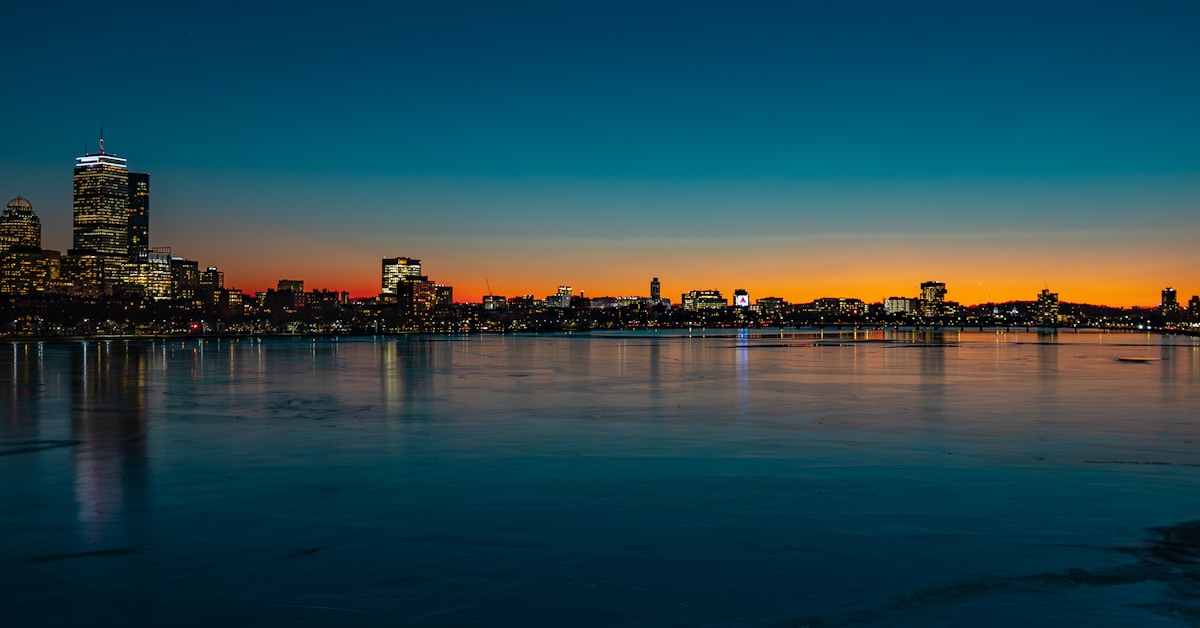
Boston: Freedom Trail, Fenway & Seafood
Plan your trip to Boston with guides to neighbourhoods, hotels, restaurants, transport, and top attractions in New England's historic capital.
Guides for Boston
Boston is one of the oldest cities in the United States, founded in 1630 and built on a peninsula where the Charles River meets the Atlantic. It covers approximately 50 square miles and is home to around 675,000 people, though the Greater Boston metro area exceeds 4.9 million. The city is compact by American standards, walkable in its historic core, and packed with Revolutionary War sites, world-class museums, serious food, and some of the country’s most distinguished universities. This guide covers how to get here, where to stay, where to eat, and what to see.
Getting to Boston
By air: Boston Logan International Airport (BOS) sits 3 miles from downtown. The Silver Line bus (SL1) runs directly from the airport to South Station for approximately $2.40 as of 2026 - the most direct and cheapest option. A taxi costs approximately $25–$35; rideshares run approximately $20–$30 depending on surge pricing. The MBTA Blue Line connects to downtown in about 10 minutes from Airport station (free shuttle from terminals). For a pre-booked private transfer with a fixed price and a local driver, Welcome Pickups covers BOS.
By train: Amtrak’s Northeast Regional and Acela services connect Boston South Station to New York Penn Station. The Regional takes approximately 4 hours 30 minutes and fares start from approximately $30 with advance booking. The Acela takes approximately 3 hours 30 minutes from approximately $75 one-way. From Washington DC, allow 7–8 hours on the Regional.
By bus: Flixbus, Greyhound, and Peter Pan all serve Boston from New York and other Northeast cities. Journey times from New York run approximately 4–5 hours depending on traffic; fares from approximately $15–$25.
By car: Boston sits at the junction of I-90 (Mass Turnpike) and I-93. Parking downtown is expensive - expect approximately $30–$50 per day in a garage. Most visitors are better off parking at a suburban T station and taking the subway in.
Getting Around Boston
The MBTA (locally called “the T”) operates subway, bus, ferry, and commuter rail services. A single subway ride costs approximately $2.40; a 7-day unlimited pass costs approximately $22.50. The CharlieCard (a reloadable smart card) gives a small discount over cash fares and speeds up boarding.
Walking is feasible throughout the downtown core, Beacon Hill, Back Bay, and the South End. The Freedom Trail - a 2.5-mile marked route linking 16 Revolutionary War sites - is designed to be walked. Bluebikes, the city’s bike-share scheme, operates approximately 400 stations; a 24-hour pass costs approximately $15.
Where to Stay in Boston
Boston hotel prices reflect the city’s academic calendar, convention schedule, and Red Sox home games. Rates are highest in September (college move-in) and October (fall foliage + playoff season); January and February offer the best deals.
Search hotels in Boston on Booking.com
Liberty Hotel - housed in the former Charles Street Jail (1851), this is Boston’s most architecturally distinctive hotel. Rooms start from approximately $300 per night; suites from approximately $600. Located at the base of Beacon Hill, walking distance to the Public Garden and the T’s Charles/MGH station. The bar occupying the old jail rotunda is worth visiting even if you’re staying elsewhere.
Newbury Guest House - a cluster of three joined 1882 brownstones on Newbury Street in Back Bay. Rooms from approximately $175 per night, making it one of the better-value options in central Boston. No parking; Back Bay station is a 5-minute walk.
Omni Parker House - the longest continuously operating hotel in the United States (open since 1855), located steps from the State House and Freedom Trail. Rooms from approximately $220 per night. Boston cream pie was invented here; the restaurant still serves the original version.
Verb Hotel - a 1959 motor lodge converted into a music-themed boutique hotel in the Fenway neighbourhood. Rooms from approximately $160 in shoulder season, rising to approximately $350 on Red Sox game days. Walking distance to Fenway Park and the Museum of Fine Arts.
The Godfrey Hotel - a mid-century modern property on Washington Street in the Downtown Crossing area. Rooms from approximately $190 per night; well-positioned for shopping, the Rose Kennedy Greenway, and the Theater District.
Budget: HI Boston Hostel (19 Stuart St, South End) is one of the best-known hostels in the US - well-run, central, and a short walk from the Theater District, Chinatown, and the T’s Boylston station. Dorm beds from approximately $45–$65 per night; private rooms from approximately $120–$160 as of 2026. For budget travellers who prefer a private hotel room, the Fenway neighbourhood has mid-range options that drop to approximately $120–$180 per night during the off-peak winter months - though rates spike sharply around Red Sox home games and the September college move-in period.
Where to Eat in Boston
Neptune Oyster (63 Salem St, North End) - the definitive Boston oyster bar, with a raw bar selection from New England and beyond. Half-dozen oysters approximately $21–$28; lobster rolls from approximately $35. Cash or card accepted; arrive before opening or expect a 45-minute wait on weekends.
Regina Pizzeria (11½ Thacher St, North End) - the original 1926 location, not the mall branches. Thin-crust, coal-fired pizza; whole pies approximately $20–$28. No reservations. The North End location is the only one worth visiting.
Row 34 (383 Congress St, Fort Point) - a serious seafood and craft beer restaurant in the Seaport District. Oysters, clam chowder, grilled fish; mains approximately $22–$38. Excellent beer list focusing on New England breweries.
Myers + Chang (1145 Washington St, South End) - Asian-American cooking from chef Joanne Chang. Small plates approximately $12–$22; the mapo tofu and whole roasted fish are consistently excellent. Reservations recommended for dinner.
Waypoint (1030 Massachusetts Ave, Cambridge) - technically across the river in Cambridge, but worth mentioning. Wood-fired dishes, excellent pasta, strong wine list. Mains approximately $24–$38.
Tatte Bakery & Café (multiple locations) - the go-to for breakfast or a working lunch. Shakshuka approximately $17; burekas approximately $8–$11. The Harvard Square and Back Bay locations are the largest.
What to See in Boston
Freedom Trail - a 2.5-mile red-brick path connecting 16 sites including the Massachusetts State House, Paul Revere’s House, the Old North Church, and Bunker Hill Monument. Self-guided and free to walk. Guided tours with the Freedom Trail Foundation depart from Boston Common and cost approximately $16 for adults, $10 for children (as of 2026). The full trail takes 2–3 hours on foot.
Museum of Fine Arts (465 Huntington Ave) - one of the most comprehensive art museums in the United States, with a particularly strong ancient Egyptian collection and Impressionist holdings. Adults approximately $27; free for children under 7; free to all on Wednesday evenings 4–9pm (as of 2026). Open Tuesday–Sunday, 10am–5pm (until 9pm Wednesday and Thursday).
Isabella Stewart Gardner Museum (25 Evans Way) - a Venetian-palace-style building containing 2,500 works collected by the eccentric Isabella Stewart Gardner. The 1990 theft of 13 works (still unsolved) adds a peculiar layer to any visit. Adults approximately $20; free for visitors named Isabella. Open Tuesday–Sunday, 11am–5pm.
Fenway Park - the oldest Major League Baseball park still in use, opened in 1912. Stadium tours run daily from approximately 9am and cost approximately $22 for adults, $15 for children (as of 2026). Red Sox game tickets range from approximately $25 in the bleachers to over $150 for premium seats.
Harvard and MIT (Cambridge) - both universities offer self-guided campus tours; Harvard’s information centre at Byerly Hall offers free student-led tours (book in advance). Harvard Art Museums charge approximately $20 for adults.
Boston Harbour Islands State Park - a ferry from Long Wharf serves several harbour islands; Spectacle Island and Georges Island are the most popular. Ferry approximately $30 round trip for adults (as of 2026); free for children under 3.
Neighbourhoods
Beacon Hill - gas-lit streets, Federal-style brick rowhouses, and the gold-domed State House. The Charles Street antiques strip and the Bull & Finch Pub (inspiration for Cheers) are here.
Back Bay - the grid-planned 19th-century landfill neighbourhood, home to Newbury Street shops, Copley Square, Trinity Church, and the Boston Public Library.
North End - Boston’s oldest neighbourhood and its Italian-American centre. Narrow streets, pastry shops (Mike’s and Modern are the main rivals), and the highest density of restaurants in the city.
South End - Victorian brownstones, the city’s LGBTQ+ hub, and a strong independent restaurant scene. SoWa Open Market runs Sundays from May to October.
Seaport/Innovation District - waterfront development with hotels, restaurants, the Institute of Contemporary Art, and the Boston Convention and Exhibition Center.
Practical Notes
Boston’s winters are serious: temperatures from December through March regularly fall below freezing, and snowfall is common. Spring arrives slowly; May is generally the first reliably pleasant month. Summer (June–August) is warm and humid with average highs around 82°F (28°C). October is the best month for clear skies and fall colour.
Tipping in restaurants: 18–20% is standard. Tipping in bars: approximately $1–$2 per drink. Sales tax in Massachusetts is 6.25% on most goods; restaurant meals are taxed at 7%.
Planning your Boston trip? Browse guided tours and activities in Boston to book tickets and experiences in advance. For getting around the wider region, car hire in the USA gives you the most flexibility. Visitors from outside the USA will also want to sort travel insurance and an eSIM for the USA before departure.
More Boston Guides
Book an experience
Top experiences in Boston
Explore the best tours and activities in Boston , with instant confirmation and free cancellation on most bookings.
Where to stay: Browse hotels in Boston on Booking.com; filter by dates, budget, and guest rating.