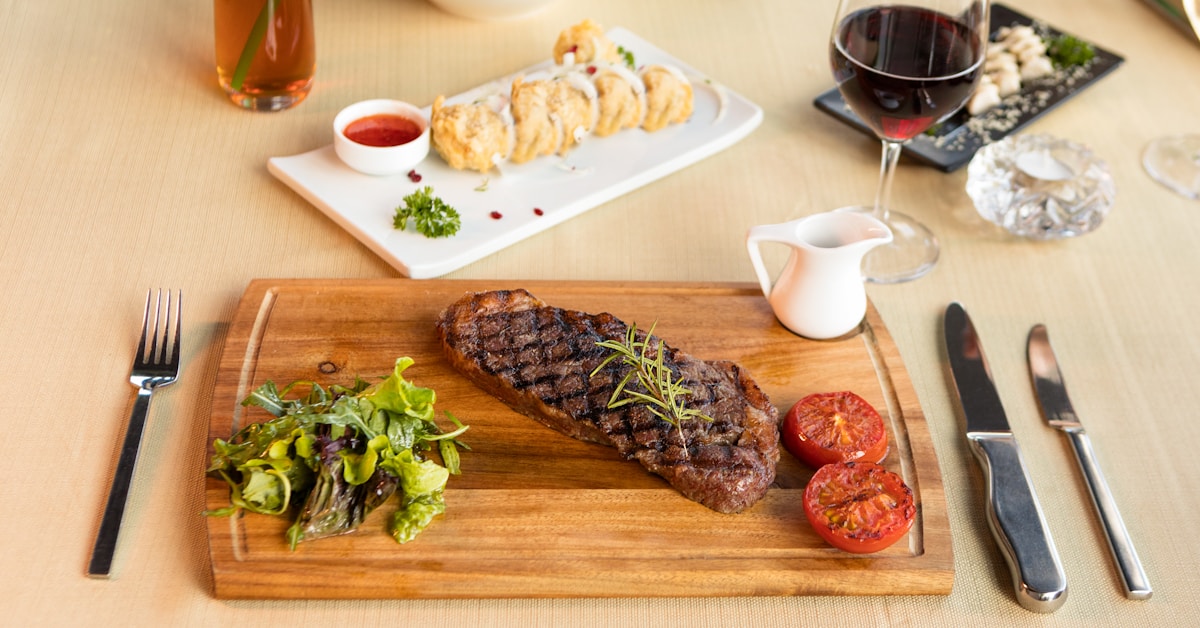
The United States doesn’t have a single national cuisine. It has dozens - regional food traditions shaped by immigration, geography, indigenous ingredients, and local ingenuity. What you eat in New Orleans is nothing like what you eat in Seattle, and what defines “good BBQ” in Kansas City would start an argument in Memphis. This guide maps the major culinary regions and tells you what to order, where to find it, and how much to expect to pay.
Texas BBQ
Texas is ground zero for American smoked meat culture. The tradition centres on beef brisket - an unforgiving cut that takes 12–18 hours in an offset smoker before it yields. The result is a thick smoke ring, a bark of salt and pepper crust, and meat that pulls apart with minimal effort. In Central Texas, sauce is considered optional at best and an insult at worst.
Where to go: Lockhart, Texas is often called the BBQ capital of the world and holds three legendary spots: Kreuz Market (619 N Colorado St, cash only, no sauce), Black’s BBQ (215 N Main St, in operation since 1932), and Smitty’s Market (208 S Commerce St, which shares a lineage with Kreuz going back to 1900). In Austin, the queue outside Franklin Barbecue (900 E 11th St) forms before 8am for lunch service that begins at 11am. Expect a 2–3 hour wait; arrive early or give up. La Barbecue (2401 E Cesar Chavez St) is the less-famous but arguably equally good alternative, with shorter waits. Brisket runs approximately $20–28 per pound as of 2026.
What else to order: Beef ribs (enormous, served by the bone), pork spare ribs, smoked sausage (jalapeño cheddar is the default), and jalapeño-cream cheese stuffed brisket at newer spots.
Kansas City BBQ
Kansas City BBQ is defined by variety and sauce. Where Texas sticks to beef, KC smokes everything - beef, pork, chicken, turkey - and finishes it with a thick, sweet, tomato-and-molasses-based sauce that’s become the default image of BBQ across much of America. The city’s signature item is burnt ends: the fatty, heavily smoked point section of the brisket, cut into cubes and often caramelized in their own drippings or sauce.
Where to go: Joe’s Kansas City Bar-B-Que (3002 W 47th Ave, Westwood, Kansas, just across the state line) is the consistent local favourite. Z-Man sandwich - brisket, smoked provolone, onion ring on a Kaiser roll - approximately $15. Gates Bar-B-Q (multiple locations) is the old-school institution, known for the staff calling out “Hi, may I help you?” the second you walk through the door. Woodyard Bar-B-Que (3001 Merriam Ln) for smoked wings. Burnt ends run $15–22 per pound across the better spots.
What else to order: Smoked turkey, pork ribs, baked beans slow-cooked in the pit drippings.
Memphis Dry-Rub Ribs
Memphis occupies a distinct place in American BBQ: the focus is on pork ribs, and the question is wet (sauced) or dry (rub only). Memphis dry rubs are complex blends of paprika, garlic, cumin, brown sugar, and cayenne, pressed into the pork before cooking. The ribs come out with a sticky, spiced crust that needs no sauce - though most spots offer it on the side. The city also produces the pulled pork sandwich, typically served on a simple bun with coleslaw.
Where to go: Charles Vergos’ Rendezvous (52 S Second St, accessed through an alley) has served dry-rub ribs since 1948 and remains the benchmark. Full slab approximately $32–38. Cozy Corner (735 N Pkwy) is the neighbourhood institution known for BBQ Cornish hen, a Memphis-specific peculiarity worth ordering. Central BBQ (multiple locations) is the modern mid-range option with strong ribs and pulled pork.
The Carolinas: Whole Hog and Vinegar
The Carolinas represent America’s oldest BBQ tradition - whole hog cooked over hardwood coals for 12+ hours, with every part of the pig used. Eastern North Carolina and eastern South Carolina use a pure vinegar-and-pepper sauce (no tomato). The Lexington (western NC) style introduces a touch of ketchup, creating the “dip.” South Carolina has a fourth style: a mustard-based sauce brought by German immigrants to the Midlands region.
Where to go: Skylight Inn BBQ (4618 S Lee St, Ayden, NC) is the closest thing to a pilgrimage site for whole-hog purists - the Joneses have been cooking since 1947. Sam Jones BBQ (715 W Fire Tower Rd, Winterville, NC) brings the tradition forward with modern service. Lexington Barbecue (100 Smokehouse Ln, Lexington, NC) for the western Carolina style. Rodney Scott’s Whole Hog BBQ (Charleston and multiple locations) for a South Carolina version that’s achieved national recognition.
New England: Lobster, Clam Chowder, and Seafood
New England’s food culture is built on cold Atlantic seafood and a practical, unfussy approach to cooking. The lobster roll is the region’s most exported dish: cold lobster meat, lightly dressed in mayonnaise with celery and lemon, served in a toasted, butter-grilled split-top hot dog bun. Maine claims the definitive version; Massachusetts and Connecticut both have variants.
A competing camp insists the Connecticut style - warm lobster meat dressed only with butter, no mayo - is the correct one. The argument has no resolution.
Clam chowder (New England style: cream-based, with potatoes, onions, and clam belly) is a separate category from Manhattan clam chowder (tomato-based), which most New Englanders regard as an aberration. Legal Sea Foods (multiple Boston locations) for clam chowder that’s become the regional standard; cup approximately $8, bowl $14. The Clam Shack (2 Western Ave, Kennebunk, ME) and Red’s Eats (41 Water St, Wiscasset, ME) for lobster rolls overflowing their buns ($30–45 in 2026, depending on market rates).
What else to eat: Fried clams with whole bellies (not strips - whole bellies are the New England version), steamed mussels, chowder with oyster crackers, blueberry pie, maple syrup in everything from October onward.
Soul Food and the South
Soul food extends across the South - Georgia, Alabama, Mississippi, Tennessee, South Carolina - and into Northern cities where the Great Migration carried it. The cooking tradition was developed by African Americans and draws on West African, Indigenous American, and European influences into something distinctly its own.
Core dishes include fried chicken (a dry brine, a seasoned flour dredge, fried in cast iron or a deep fryer), collard greens (cooked low and slow with smoked ham hock until silky), cornbread (sweet Northern style or unsweetened Southern style, argued over fiercely), mac and cheese (baked, with a custard base, not the boxed version), black-eyed peas with rice (Hoppin’ John), candied sweet potatoes, and smothered pork chops.
Where to eat: Busy Bee Cafe (810 Martin Luther King Jr Dr SW, Atlanta) - one of Atlanta’s oldest soul food institutions, entrees $14–20. Alcenia’s (317 N Main St, Memphis) for fried chicken and tea cakes in Memphis. Dooky Chase’s Restaurant (2301 Orleans Ave, New Orleans) - Leah Chase’s civil rights-era restaurant is now run by family, with a lunch buffet approximately $25. Sylvia’s (328 Lenox Ave, Harlem) is New York’s best-known soul food destination and a piece of American culinary history.
Tex-Mex
Tex-Mex developed along the Texas-Mexico border over centuries and has spread across the country, often mistaken for Mexican food. Key distinctions: flour tortillas (not corn), processed American cheese alongside proper Mexican cheeses, heavy use of cumin and chili powder, and dishes - fajitas, hard-shell tacos, queso, nachos - that were either invented in Texas or transformed beyond recognition.
The best Tex-Mex in the country is concentrated in San Antonio and Austin. Joe T. Garcia’s (2201 N Commerce St, Fort Worth) is the old-school institutional Tex-Mex experience: a sprawling garden restaurant that’s been the same since 1935. Matt’s El Rancho (2613 S Lamar Blvd, Austin) for Bob Armstrong dip (guacamole, queso, and picadillo combined - a specific invention of this restaurant). The Original Ninfa’s on Navigation (2704 Navigation Blvd, Houston) for fajitas, which Ninfa Laurenzo claims to have invented in the 1970s.
Average spend: $15–25 per person for a full Tex-Mex meal with drinks.
Pacific Northwest: Salmon, Dungeness Crab, and Coffee
The Pacific Northwest - Washington, Oregon, and the northern California coast - centres its food culture on wild salmon, Dungeness crab, oysters, and a food-truck and craft-brewery scene that dominates cities like Portland and Seattle.
King salmon (Chinook) is the prestige ingredient: grilled over alder wood on a cedar plank, simply seasoned. Dungeness crab is sold whole (approximately $30–60 per crab as of 2026, depending on season) or in crab cakes and crab rolls at waterfront spots. Oysters from Puget Sound and Willapa Bay are served raw at nearly every serious restaurant in the region.
Portland’s food cart scene is the most concentrated in the country: hundreds of carts clustered in pods throughout the city, serving everything from Thai to Ethiopian to Korean-Mexican fusion. The Mississippi Avenue and SE Division Street corridors have the densest concentration of serious independent restaurants.
Where to eat: Pike Place Market (85 Pike St, Seattle) for fresh salmon, raw oysters ($1.50–3.50 each), and Dungeness crab. Canlis (2576 Aurora Ave N, Seattle) for destination-level Pacific Northwest cooking, entrees $55–85. Portland’s Nong’s Khao Man Gai (multiple carts) for chicken-rice that’s become a Portland institution at under $12.
Midwest: Deep-Dish Pizza, Chicago Dogs, and More
Chicago’s food identity is anchored by two deeply regional dishes that provoke strong reactions elsewhere: deep-dish pizza and the Chicago-style hot dog.
Deep-dish pizza is assembled upside-down (toppings go in first, cheese on the crust, sauce on top) and baked in a deep pan for 30–45 minutes. Lou Malnati’s (multiple Chicago locations) and Giordano’s (multiple locations) are the two dominant chains; a personal deep-dish is approximately $18–24. Pequod’s Pizza (2207 N Clybourn Ave) makes a pan pizza with caramelized cheese crust that’s arguably better than either.
The Chicago hot dog is an all-beef frank in a poppy seed bun, topped with yellow mustard, neon-green sweet relish, tomato, sport peppers, a dill pickle spear, and celery salt. Ketchup is explicitly prohibited. Portillo’s (multiple Chicago locations) for the canonical version.
Cincinnati chili is a regional speciality that non-locals find confusing: a thin, cinnamon-spiced chili served over spaghetti and topped with shredded cheddar (three-way), onions (four-way), or beans (five-way). Skyline Chili (multiple Cincinnati locations) is the institution. Cost approximately $8–12 for a full plate.
Hawaii: Plate Lunch, Poke, and Spam Musubi
Hawaiian food doesn’t fit neatly into continental American categories. It’s a distinct regional cuisine shaped by native Hawaiian traditions, Japanese, Filipino, Portuguese, and Chinese immigrant influences, and the local plantation era.
The plate lunch - two scoops of steamed white rice, a scoop of macaroni salad, and a protein (often kalua pork, teriyaki chicken, or loco moco) - is the working lunch of Hawaii and costs $10–15 at any plate lunch truck. Poke (raw cubed ahi tuna, soy sauce, sesame oil, seaweed, and onion) has become nationally trendy but is still better in Hawaii, where the fish is fresher and served warm over rice at local spots from approximately $12.
Spam musubi - a slice of grilled Spam on a block of rice, wrapped in nori seaweed - is sold at convenience stores (7-Eleven included) across the islands for about $2–3 and is not to be skipped. Helena’s Hawaiian Food (1240 N School St, Honolulu) for traditional Hawaiian food including poi, pipikaula (jerked short ribs), and squid luau.
Where to Find More
Every major American city now has a food hall or central market worth visiting: Quincy Market (Boston), Chelsea Market (New York), Ponce City Market (Atlanta), Reading Terminal Market (Philadelphia), Eataly (Chicago, New York, Las Vegas), and the Ferry Building Marketplace (San Francisco). These aren’t the cheapest options but they concentrate the region’s food culture in one space and are good for quick orientation on a short trip.
City Guides
- New York travel guide
- Chicago travel guide
- New Orleans travel guide
- Austin travel guide
- Memphis travel guide
- Nashville travel guide
- Seattle travel guide
- Portland travel guide
- Honolulu travel guide
- Kansas City travel guide
Take a Guided Food Tour in Your Region
Food tours are one of the most efficient ways to eat well in an unfamiliar US city, and the USA has a strong market for them across all the major food destinations. A three-hour walking tour in New Orleans covers Creole cooking history in context; in Chicago, guides navigate the Polish corridor and Pilsen side-by-side with the Fulton Market fine-dining scene; in Portland, the food cart pod culture is genuinely difficult to navigate without a local. Most tours run in the $50–$100 per person range and cover three to six stops.
Browse guided food tours and culinary experiences across the USA to find options in your destination city.
Related Guides
- Vegan guide to New York City
- Vegan guide to Los Angeles
- USA travel costs guide
- First-time visitor’s guide to the USA
Plan Your Trip
✈️ Book your flights to the USA 🛡️ Get travel insurance 📱 Stay connected with an eSIM 🚗 Rent a car
Ready to Plan Your Trip?
Here are our top itineraries to help you plan your USA visit:
- One Week in the USA: New York, Washington DC and Chicago - Three iconic cities in seven days
- East Coast USA 10-Day Itinerary: NYC, DC, Philadelphia & Boston - The full East Coast circuit
- 10 Days on the West Coast: LA, San Francisco and Beyond - Pacific Coast highlights