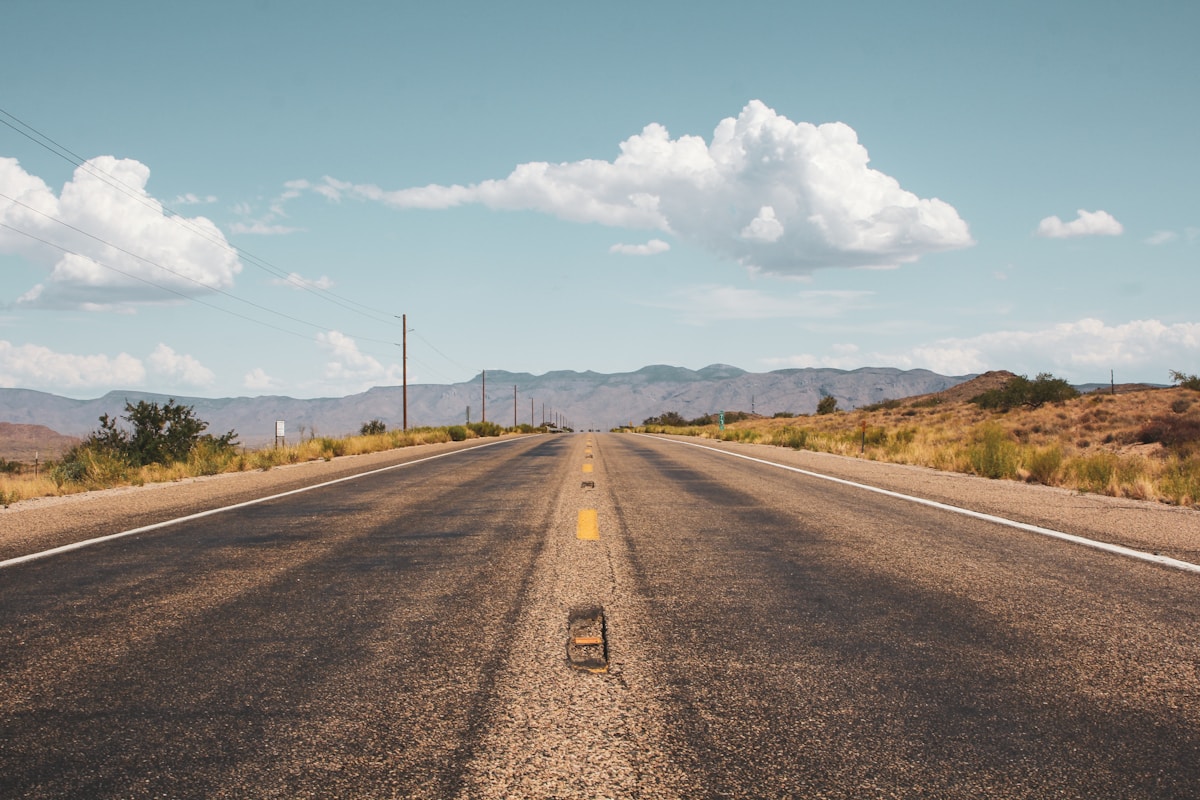
Driving in the USA is the most flexible way to see the country. The interstate highway system connects every major city; the scenic byways and state routes in between connect everything worth seeing. A rental car gives you access to national parks, small towns, and landscapes that no bus route or train track reaches.
For foreign visitors, the US driving system is less complex than it appears from outside. Traffic flows smoothly on well-marked roads; American drivers are generally predictable and lane-disciplined on interstates. The main adjustments for international visitors involve understanding the local rules, toll systems, and rental company practices before they become expensive surprises.
Renting a Car: What You Need
Documentation
- Valid driving license from your home country
- Passport
- International Driving Permit (IDP) - required by most rental companies if your license is not in English (Arabic, Cyrillic, Chinese, Japanese, Korean scripts). Get this from your national automobile association before leaving home. It costs approximately $20–$25 and takes 1–5 business days.
- Credit card in the primary driver’s name (not debit card - many companies require credit for the deposit)
Age Requirements Most major companies require drivers to be 25 or older for standard rates. Ages 21–24 pay a young driver surcharge of approximately $25–$35/day. Under 21: check specific company policies - Enterprise and some others rent to 18+ at selected locations.
Booking
Book car rentals at least 2–4 weeks in advance for peak summer and holiday travel. Last-minute airport rentals can be significantly more expensive. Comparison sites (Kayak, Expedia, and direct company sites) show rates; also check for bundle discounts with your flight booking. We recommend using GetRentaCar to compare rental prices across companies in the USA - it aggregates rates from all major suppliers so you see the full picture in one search.
Returning a car to a different location (“one-way rental”) is common but adds a “drop charge” - typically $100–$300 depending on distance. San Francisco → Los Angeles one-way charges are often lower than cross-country drops.
The Major Rental Companies Compared
Enterprise - highest customer satisfaction ratings in most years; airport and in-town locations; reliable pickup process. Good for standard sedans and SUVs.
National - preferred by business travelers; “Emerald Club” members choose their own car in the lot (no desk interaction). Good rates on mid-size and full-size vehicles.
Hertz / Avis / Budget - large fleets, widespread airport presence. Hertz Gold Plus Rewards members bypass the counter. Budget is typically cheaper for basic economy vehicles.
Alamo - competitive pricing, particularly for families needing minivans and larger SUVs. Part of the same parent company as National and Enterprise.
Sixt - European company with strong US presence in major cities and airports. Often competitive rates on premium vehicles.
Turo (peer-to-peer) - renting directly from private car owners via the Turo app. Can offer significant savings or access to vehicles rental companies don’t stock. More variable experience; read reviews carefully.
Insurance: What You Actually Need
Rental car companies will push multiple insurance products at the counter. Understanding what you need before you arrive avoids expensive upselling.
Collision Damage Waiver (CDW) / Loss Damage Waiver (LDW): Covers the rental car if it’s damaged or stolen. This may be redundant if:
- Your personal auto insurance covers rental cars (check your policy before travelling)
- Your credit card provides rental car coverage (many Visa Signature, Mastercard World Elite, and Amex Platinum cards do - but requirements vary; check your specific card’s terms)
If neither applies, the CDW from the rental company (approximately $15–$35/day) is worth taking.
Liability Insurance: Covers damage to other people and property. US law requires minimum liability; the rental car includes a minimum amount. Supplemental Liability Protection from the rental company adds more coverage (approximately $12–$20/day).
Personal Accident Insurance: Covers medical expenses for you and your passengers. Likely covered by your travel insurance. Don’t pay double.
Bottom line: Check your personal auto insurance and credit card before arriving. Bring documentation of coverage. Many travelers only need the CDW - and can waive that if covered by a card.
Toll Roads and Electronic Payment
The US has moved almost entirely to cashless tolling - most toll plazas no longer accept cash. If you drive through a cashless toll without a transponder, a camera reads your plate, and the rental company is billed, which they then pass to you with a processing fee (approximately $5–$15 per toll plaza, in addition to the toll itself).
Options:
- Rental company transponder: Request an E-ZPass (Northeast and Mid-Atlantic), SunPass (Florida), FasTrak (California), or similar at pickup. The rental company charges the transponder fee (approximately $15–$25/day) plus actual tolls. If you only cross one or two toll plazas, this can be expensive relative to actual toll costs.
- Pay-by-mail: Some toll roads offer this option - you drive through and pay when the bill arrives. If you’re renting in-country, the bill goes to the rental company, who bills you with their processing fee. If you expect significant toll usage, option 1 is cleaner.
- Avoid toll roads: GPS apps (Google Maps, Waze, Apple Maps) all have “avoid tolls” routing options. On shorter trips, this adds minimal time.
Major toll corridors to know about:
- I-95 Northeast: Heavy tolling through New Jersey, Delaware, and Pennsylvania. The New Jersey Turnpike and Delaware Turnpike are significant costs on the NYC–DC corridor.
- Chicago: Multiple toll roads ring the city. The I-PASS is the local transponder.
- Florida: The Florida Turnpike and several toll roads serve the Orlando–Miami corridor. SunPass is the main transponder.
- Texas: Texas has the second most toll road mileage in the US. TxTag is the local transponder. Particularly prevalent in Austin and Dallas metro areas.
- California: Bay Area bridges and some freeway express lanes use FasTrak. Generally lower costs than East Coast toll roads.
State-by-State Traffic Rules to Know
US traffic laws are set by individual states, not federally. Most rules are consistent, but key variations:
Right turn on red: Legal in all 50 states (after a complete stop, when no sign prohibits it) except where explicitly posted. Some NYC intersections prohibit it - watch for signs.
Speed limits on interstates: Ranges from 55 mph (New York, New Jersey) to 85 mph (one stretch of Texas State Highway 130). Most western states set 70–80 mph on rural interstates. Urban interstates are typically 55–65 mph. Posted limits are enforced; speed cameras are rare but police radar is common.
Mobile phone use: Handheld phone use while driving is banned in most states. Hands-free (Bluetooth) is legal everywhere. California, New York, and most Northeast states enforce this strictly.
Move Over Law: All 50 states require drivers to move to the next lane (or slow significantly) when passing emergency vehicles stopped on the shoulder with lights activated. This includes police, fire, ambulance, and tow trucks.
Seatbelts: Mandatory for all occupants in all 50 states. Front seat seatbelt laws are enforced as a primary offense in most states (police can stop you just for the seatbelt violation).
DUI: Legal blood alcohol limit is 0.08% in all states (0.04% for commercial vehicles). DUI enforcement is serious; penalties include license suspension, fines, and potential jail time. Zero tolerance for alcohol while driving applies practically - don’t drink and drive.
Passing: Pass on the left; the right lane is for slower traffic on multi-lane highways. This is a legal requirement in some states and a strong convention everywhere.
Driving on US Interstates
The Interstate Highway System connects the continental US with over 48,000 miles of limited-access divided highway. Numbered system:
- Even numbers run east-west (I-10, I-40, I-80, I-90)
- Odd numbers run north-south (I-5, I-15, I-35, I-95)
- Three-digit interstates (I-405, I-495) are loop routes or spurs serving urban areas
Interstate driving tips:
- Minimum speeds are sometimes posted (typically 40 mph) - driving excessively slowly in the travel lane is a hazard
- Truck traffic is heavy on major corridors; trucks need more braking distance
- Weigh stations on the right shoulder are for commercial trucks - passenger cars do not stop
- Rest areas (blue signs marked “REST AREA”) are typically every 50–80 miles on major interstates; most have bathrooms, some have vending machines and dog walks
- Gas stations are generally within 30 miles of any interstate point, but verify this in remote western states - Wyoming, Nevada, Montana, and Arizona have stretches of 60–80 miles between services
Scenic Byways Worth Knowing
The Federal Highway Administration designates America’s Byways - routes with exceptional scenic, cultural, or historic character. A selection worth routing through:
- Pacific Coast Highway (California 1) - 655 miles from San Luis Obispo to Leggett, hugging the Pacific cliffs. The Big Sur section (approximately 90 miles) is the most spectacular.
- Blue Ridge Parkway (Virginia + North Carolina) - 469 miles from Shenandoah Valley to Great Smoky Mountains, limited to 45 mph, autumn foliage peak in October.
- Going-to-the-Sun Road (Glacier National Park, Montana) - 50 miles across the Continental Divide; open typically late June through early September due to snowpack.
- Million Dollar Highway (Colorado) - US-550 from Silverton to Ouray, with no guardrails on 1,000-foot drop-offs. Stunning and vertiginous.
- Overseas Highway (US-1, Florida Keys) - 113 miles from Miami to Key West across 42 bridges and shallow tidal flats.
Fuel and Refueling
US gas stations are self-service. The pump asks for a credit card or cash payment before dispensing. If paying by credit card at the pump:
- Insert card, enter ZIP code (US postal code) - international cards sometimes fail here; see below
- Select fuel grade (87 regular for most rental vehicles unless “Premium Required” is posted)
- Remove the pump and fill
International credit cards and ZIP codes: Some US gas pump card readers require a US ZIP code for “pay at pump” transactions. If your card is declined at the pump, go inside and pay at the cashier - international cards typically work at staffed counters.
Fuel grades: US labels as Regular (87 octane), Mid-Grade (89), and Premium (91–93). Most rental vehicles run on regular. Check the fuel door sticker.
Cost saving: The GasBuddy app shows real-time prices at gas stations nearby. Prices at interstate highway exits are typically $0.10–$0.30/gallon higher than stations 1–2 miles off the exit. Costco members have access to the cheapest gas in most US markets (approximately $0.20–$0.40/gallon below market rate) but require a Costco membership.
City Guides
Plan Your Trip
✈️ Book your flights to the USA 🛡️ Get travel insurance 📱 Stay connected with an eSIM 🚗 Rent a car
Ready to Plan Your Trip?
Here are our top itineraries to help you plan your USA visit:
- Route 66 Itinerary: 14 Days from Chicago to Santa Monica - The classic American road trip
- 14 Days in California: Road Trip Itinerary - Two weeks driving the Golden State
- One Week in the USA: New York, Washington DC and Chicago - Three iconic cities in seven days