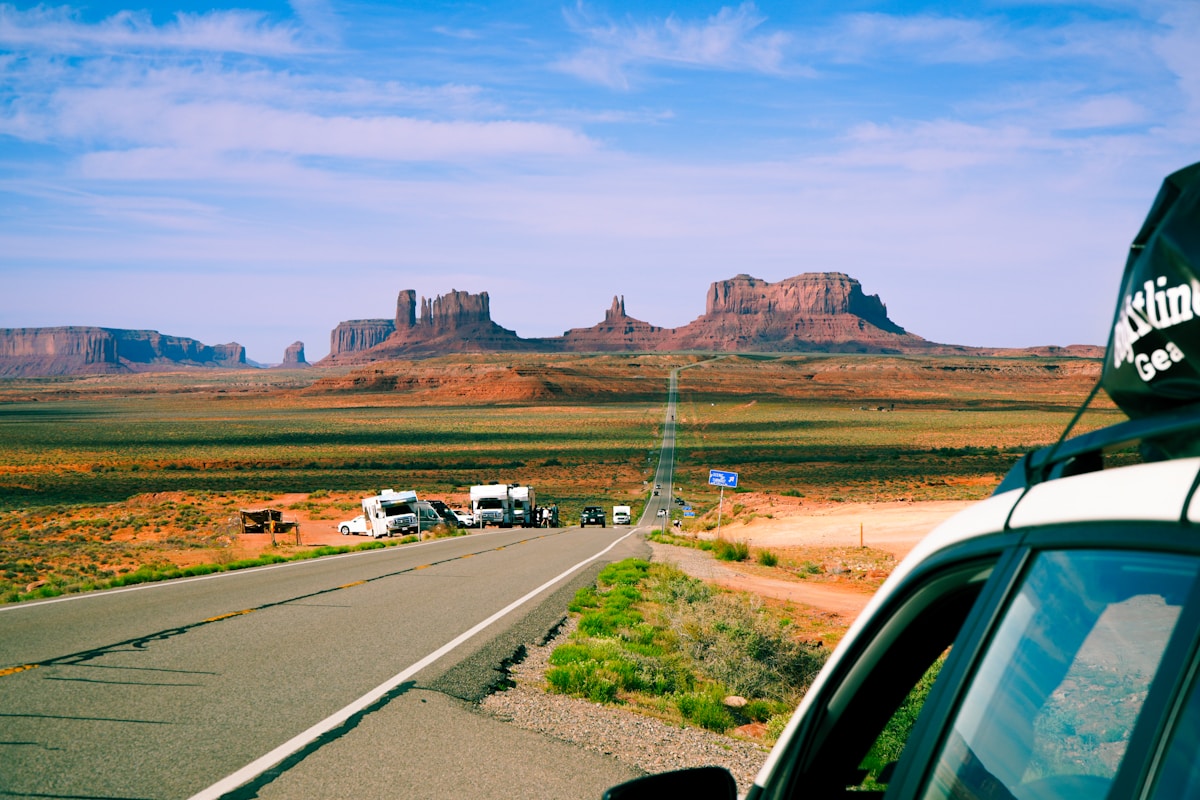
The USA is one of the most rewarding countries in the world to explore with children. The sheer range of experiences - from the geysers of Yellowstone to the beaches of San Diego, the monuments of Washington DC to the spectacle of Orlando - means families can build a trip around almost any interest, age group, or budget. Here is everything you need to plan a smooth and memorable family trip.
Best Family Destinations in the USA
Orlando, Florida remains the default family destination for a reason. Walt Disney World (from approximately $109/person per day as of 2026), Universal Studios Florida (from $109/person), and SeaWorld Orlando (from $89/person) can fill a week on their own. Build in a day at LEGOLAND Florida in nearby Winter Haven if your children are under 12. Stay on the International Drive corridor for walkable access to budget dining options and grocery stores for self-catering breakfasts.
San Diego, California is arguably the most relaxed family city in the country. San Diego Zoo - widely regarded as one of the world’s best - charges approximately $64 for adults and $54 for children (3–11) as of 2026. LEGOLAND California in Carlsbad, 30 minutes north, targets ages 2–12 and includes a waterpark (combined tickets from around $120/person). The beaches at Coronado and Mission Bay are clean, calm, and free.
Washington DC is the USA’s best value family destination: the Smithsonian Institution’s 17 museums and galleries - from the National Air and Space Museum to the National Museum of Natural History - are entirely free. Allow three to four days to cover the main sites. The National Zoo (also free) is a half-day well spent. See our first time visitor guide for orientation tips.
National parks offer some of the most formative travel experiences available to children. Three parks stand out for families:
- Yellowstone (Wyoming/Montana/Idaho): Geysers, bison herds, hot springs, and bear sightings make this endlessly engaging. Old Faithful erupts roughly every 90 minutes - easy to time for restless kids. The Young Scientist program adds interactive exhibits at Canyon Visitor Center.
- Grand Canyon (Arizona): Even a rim-side walk is spectacular. The South Rim trail between Mather Point and Yavapai Point is flat and stroller-accessible (approximately 1.3 miles). Check timing details in our Grand Canyon guide.
- Acadia (Maine): Smaller, less crowded, and exceptionally family-friendly. The carriage road network (45 miles of gravel paths, car-free) is ideal for cycling with children. Sand Beach is genuinely swimmable in summer.
Road Trips with Kids
Long drives with children require planning - but the rewards are enormous. See our full USA driving guide for licence requirements, toll roads, and route logistics.
Pacific Coast Highway (California State Route 1) from Los Angeles to San Francisco (approximately 400 miles) takes three to five days at a leisurely pace. Pull-offs for whale watching, sea otter spotting, and beach stops at Big Sur keep kids engaged between cities. Elephant Seal Vista Point near San Simeon is a free, reliably dramatic stop that never fails with any age group.
Route 66 (Chicago to Oklahoma City segment) captures classic Americana. The Cadillac Ranch near Amarillo, Texas (free, open 24 hours) lets kids spray-paint abandoned Cadillacs half-buried in a field - a legitimately unique experience. The Blue Whale of Catoosa in Oklahoma is another free roadside stop beloved by younger children.
RV rental transforms a road trip into a self-contained family base. For individual destinations, hire a car to keep flexibility without committing to a motorhome. Cruise America, the largest national RV rental company, charges from approximately $150–250/night depending on size and season (as of 2026). A Standard 25-foot motorhome sleeps five and includes a basic kitchen. Rental rates typically exclude fuel, generator use, and campsite fees - budget an additional $60–100/day for these costs. Book three to six months ahead for summer travel.
Car seat rules vary by state but federal safety guidelines recommend rear-facing seats until age 2, forward-facing with a harness until at least age 4, and a booster seat until the child is 4 feet 9 inches tall. Most airlines allow car seats in hold baggage for free; rental car companies charge $10–15/day for car seat hire, which adds up quickly on longer trips. Bringing your own is usually more cost-effective.
National Parks with Kids
The America the Beautiful Annual Pass costs $80 as of 2026 and covers the entry fee for one vehicle (or individual entry for non-vehicle parks) at all federal recreation sites for 12 months. Children under 15 are always free. If you plan to visit more than three parks in a year, the pass pays for itself immediately - Grand Canyon alone charges $35/vehicle.
The Junior Ranger program is the single most effective tool for keeping children engaged in national parks. Pick up the free activity booklet at any visitor center; kids complete tasks (sketching a landscape, identifying animal tracks, answering questions about park history) and present their work to a ranger to receive an official badge and signed certificate. Over 400 national park sites participate. The program is free, and badges can be collected across parks to build a personalised set.
Best parks by age:
- Ages 3–6: Acadia (easy carriage road cycling, tidal pools), Great Smoky Mountains (wildlife spotting from the car)
- Ages 7–11: Yellowstone (geyser watching, ranger programmes), Zion (Angels Landing is off-limits, but the Riverside Walk to The Narrows is perfect)
- Ages 12+: Grand Canyon (rim hiking, mule ride experiences), Rocky Mountain (Trail Ridge Road, which reaches 12,183 feet)
Accommodation for Families
US hotels handle families differently to European properties. Most chains - including Marriott, Hilton, and IHG - allow two adults and two children to share a standard room at no additional charge, with children’s ages typically capped at 17 or 18. Rollaway cots cost approximately $15–25/night where available; many rooms have a pull-out sofa that sleeps one child at no extra cost.
Search hotels in United States on Booking.com
Family-friendly chains to know:
- Embassy Suites by Hilton - every room is a two-room suite with a separate living area and a free cooked breakfast included; particularly good value for families
- Holiday Inn - long-running “Kids Eat Free” promotion (children 12 and under eat free from the kids menu when dining with a paying adult) at many locations
- Great Wolf Lodge - indoor waterpark resorts that function as self-contained family holidays; properties across 20+ states
Vacation rentals via Airbnb or Vrbo often undercut equivalent hotel stays for families of four or more. A three-bedroom vacation home with a kitchen in a national park gateway town typically costs $150–250/night, with grocery shopping reducing food costs significantly compared to three restaurant meals a day.
Dining with Kids
American restaurant culture is genuinely child-friendly. Most casual chains and family restaurants - Denny’s, IHOP, Cracker Barrel, Olive Garden - offer dedicated kids menus priced at $5–8 for a main plus drink. Portions at adult tables tend to be large enough to share with a young child.
Tipping with kids: Service charge is never included in the bill in the USA. Budget 18–20% on restaurant meals as a baseline. A family spending $60 on food should add $11–12 in tip - factor this into your daily food budget.
Grocery store meal prep is a legitimate strategy on road trips. Whole Foods, Kroger, Trader Joe’s, and Target all sell pre-made sandwiches, salads, fruit cups, and snack packs. Buying lunch supplies the night before costs a family of four approximately $20–30 versus $50–80 for a sit-down lunch.
Allergy awareness is taken seriously in the USA - more so than in many other countries. Staff at most restaurants are trained to field allergen questions, and the FDA mandates labelling of the eight major allergens on packaged foods. That said, cross-contamination protocols vary; always ask to speak with a manager if the allergy is severe.
Family Budget Breakdown
Prices below are approximate as of 2026 for a family of two adults and two children:
| Category | Budget (per day) | Mid-Range (per day) | Comfort (per day) |
|---|---|---|---|
| Accommodation | $80–100 (motel/budget hotel) | $150–220 (mid hotel/suite) | $280–400+ (resort/suite) |
| Food | $40–60 (grocery + fast food) | $90–130 (mix of restaurants) | $150–200+ (restaurants) |
| Activities | $20–40 (parks + free sites) | $60–100 (theme parks 1 day) | $150–200+ (premium tickets) |
| Transport | $20–40 (fuel/car rental share) | $40–60 | $60–100+ |
| Total | $160–240/day | $340–510/day | $640–900+/day |
National park days are among the cheapest activity days once the America the Beautiful pass is purchased. Washington DC museum days are essentially free on the activity line.
For more detail on costs city by city, see our USA travel costs guide.
Health and Safety
Travel insurance is essential when visiting the USA. Healthcare costs are among the highest in the world - a child’s broken arm requiring an emergency room visit and X-ray can cost $2,000–5,000 without cover. Always buy a policy that includes medical evacuation.
Urgent care vs ER: For non-life-threatening issues - a bad ear infection, a minor cut, a sprained ankle - use an urgent care clinic rather than a hospital emergency room. Urgent care visits typically cost $100–200 without insurance versus $500–2,000+ at an ER. Most strip malls have an urgent care facility; Google Maps search “urgent care near me” reliably finds one within minutes.
Sun safety is underestimated. UV intensity in the American Southwest (Arizona, Utah, Nevada, California) is significantly higher than Northern Europe. Apply SPF 50 sunscreen every two hours, and ensure children wear sun hats. Carry electrolyte drinks or sachets for hikes in hot conditions.
Altitude at national parks: Rocky Mountain, Grand Canyon’s North Rim, and Yellowstone all sit above 7,000 feet in places. Children can experience altitude-related headaches or nausea at elevation. Ascend gradually, keep children well hydrated, and descend if symptoms worsen. Acclimate in Denver (5,280 feet) for a day before heading into the Rockies.
Seasonal Timing
Summer (mid-June to late August) is peak season: school holidays, maximum crowds at national parks and theme parks, and highest hotel rates. Yellowstone and Grand Canyon are extremely busy; book accommodation six to twelve months ahead for July travel.
Spring (March to May) and autumn (September to early November) offer the best balance of good weather, manageable crowds, and lower prices. Washington DC’s cherry blossoms (late March to mid-April) are spectacular but crowded; Yellowstone’s wildlife viewing is superb in early spring before crowds build. For the full seasonal picture, see our best time to visit guide.
School holiday calendar: The US school year runs from late August or early September to late May or early June. Spring break (two weeks, typically mid-March to mid-April) is the second busiest travel period after summer. If you can travel outside these windows, you will pay meaningfully less and face noticeably shorter queues.
Winter (December to February) opens up ski holidays in Colorado, Utah, and Vermont, beach trips to Florida and Hawaii, and uncrowded visits to Southwest desert parks. Christmas in New York is magical for older children but expensive and very busy.
City Guides
Before you travel, sort flights to the USA, an eSIM for the USA, and travel insurance. For airport connections, pre-booked transfers can make arrivals simpler, especially with luggage or when travelling with family.
Plan Your Trip
✈️ Book your flights to the USA 🛡️ Get travel insurance 📱 Stay connected with an eSIM 🚗 Rent a car
Ready to Plan Your Trip?
Here are our top itineraries to help you plan your USA visit:
- One Week in the USA: New York, Washington DC and Chicago - Three iconic cities in seven days
- East Coast USA 10-Day Itinerary: NYC, DC, Philadelphia & Boston - The full East Coast circuit
- 10 Days on the West Coast: LA, San Francisco and Beyond - Pacific Coast highlights