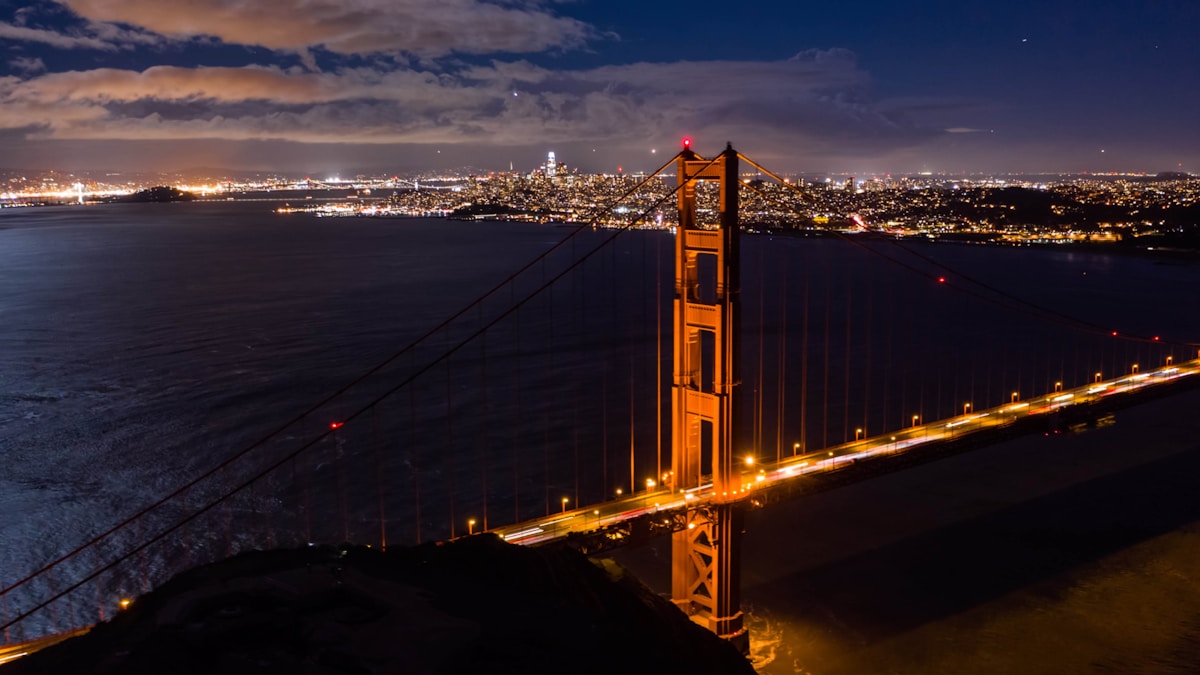
Two cities that both run on technology, rain, and excellent coffee - but they feel completely different. San Francisco is denser, more expensive, and carries the weight of being one of America’s most recognisable cities. Seattle is larger in area, quieter in temperament, and sits at the edge of one of the most dramatic wilderness landscapes in the continental US.
Quick Verdict
| Category | San Francisco | Seattle |
|---|---|---|
| Iconic landmarks | Golden Gate, Alcatraz, cable cars | Space Needle, Pike Place, Mount Rainier views |
| Hotel costs | $250–380/night (mid-range) | $170–260/night (mid-range) |
| Weather | Mediterranean, mild year-round | Rain Sept–May, gorgeous Jun–Sep |
| Outdoor access | Muir Woods, Point Reyes (nearby) | Cascades, Olympics, Rainier (all within 2 hours) |
| Food scene | World-class, expensive | Excellent, better value |
| Getting around | Walkable core, hills are real | Walkable, light rail improving |
| Best for | City landmarks, culture, cable cars | Outdoors, food, coffee, lower cost |
| Days needed | 4–5 | 4–6 |
Costs
San Francisco is one of the most expensive hotel markets in the USA. The Hotel Zetta in Union Square (good location, solid amenities) runs $280–380/night in regular season; the Axiom Hotel in the Tenderloin-adjacent area is $220–300. The Mark Hopkins on Nob Hill - one of the classic SF hotels - runs $320–500. Weekend rates spike across the board, and major tech conferences (Dreamforce, Google I/O) cause citywide rate increases with 6–8 weeks’ notice.
Search hotels in San Francisco on Booking.com
Seattle runs noticeably cheaper. The Hotel Theodore in downtown Seattle is $190–260; the Kimpton Palladian in Belltown runs $210–280; the Edgewater - Seattle’s only over-water hotel on Elliott Bay - runs $250–350 for the water-facing rooms. The summer peak (June–September) sees rates rise 20–30%; the shoulder season (October–May) outside Thanksgiving and Christmas is genuinely good value at $150–220.
Search hotels in Seattle on Booking.com
Food costs follow the same pattern. In San Francisco, a Mission burrito at the Taqueria Cancún on Mission Street is $12–15 - still good value. A proper dinner at Zuni Café on Market Street runs $70–100/person; at the Ferry Building Marketplace, oysters and chowder from the Hog Island Oyster Bar run $25–45/person. In Seattle, a bowl of pho at Pho Bac Súp Shop in the International District is $14–17; dinner at Canlis (special occasion level) is $150+/person; a typical dinner at a good Capitol Hill restaurant runs $50–80/person.
Landmarks and Sightseeing
San Francisco’s landmarks are extraordinarily concentrated. The Golden Gate Bridge is 20 minutes from Union Square by rental bike - a $35–45 cross-bridge ride. Alcatraz Island ferry tours run $45–60 adults and should be booked 2–4 weeks ahead in summer. The cable cars on Powell Street ($8/ride, single fare) are slow and tourist-heavy but genuinely fun - the Hyde Street line drops you at Fisherman’s Wharf with Ghirardelli Square and the Maritime Museum. Chinatown is the largest and oldest in North America; the Ferry Building Marketplace on the Embarcadero has the best food hall in the city on weekday mornings.
Seattle’s sightseeing is excellent but requires more geographic spread. The Space Needle observation deck ($37 adults) is the centrepiece but Pike Place Market - open daily since 1907, with the original Starbucks, the Pike Place Fish Company’s throwing fishmongers, and over 200 vendors - is the actual heart of Seattle tourism. The waterfront is being redesigned; the Seattle Art Museum (SAM) is $30 adults. The Chihuly Garden and Glass adjoining the Space Needle ($42 adults) is worth it for Chihuly fans. Pioneer Square has Seattle’s underground tour ($30 adults) showing the original street level buried after the 1889 Great Seattle Fire.
Food and Coffee
San Francisco’s food scene is one of America’s finest. The Mission District for tacos and Mission-style burritos ($12–16); the Richmond and Sunset Districts for authentic dim sum and Chinese roast duck; the Ferry Building for artisan producers; the South of Market (SoMa) neighbourhood for Californian cuisine with Asian influences. Omnivore Books on Food and the Ferry Building farmers market (Tuesday, Thursday, Saturday mornings) are worth the detour. San Francisco sourdough at Tartine Manufactory on Alabama Street ($10–14 a loaf) is the real thing.
Seattle’s coffee culture is not a myth. Stumptown, Victrola, Slate, and Anchorhead all have multiple locations and are better day-to-day than the original Pike Place Starbucks (which is a tourist destination, not a coffee destination). Seattle’s food scene centres on Pacific Northwest ingredients: Dungeness crab, Pacific oysters, wild salmon, chanterelle mushrooms. Sitka & Spruce in Capitol Hill and Canlis with its panoramic views of Lake Union represent the top end. The International District has some of the best Vietnamese, Japanese, and Chinese food in the Pacific Northwest.
Outdoor Access
This is where Seattle wins decisively. From downtown Seattle:
- Mount Rainier National Park: 90 miles, 1.5 hours. Paradise visitor area at 5,400 feet elevation has wildflower meadows in July–August ($30/vehicle entry).
- Olympic National Park: Accessible via the Bainbridge Island ferry and 2-hour drive. The Hoh Rainforest section on the west side receives over 12 feet of rain annually; the Hurricane Ridge section in the north has mountain views at 5,200 feet.
- North Cascades: Highway 20 (open May–November) passes through one of the most dramatic mountain landscapes in the lower 48. Maple Pass Loop hike (7 miles, 2,000ft elevation gain) is one of the best day hikes in Washington.
From San Francisco:
- Muir Woods: 11 miles, 45 minutes (timed entry required, $16/vehicle plus $3.50/car parking reservation). Coast redwoods up to 258 feet tall in a narrow canyon. Beautiful but small.
- Point Reyes National Seashore: 50 miles, 90 minutes. Dramatic headlands, elephant seal rookeries, lighthouse built in 1870. Free entry.
- Yosemite National Park: 190 miles, 3.5–4 hours depending on traffic. Valley summer crowds are intense; Tioga Road pass (open June–November) gives better access.
See the San Francisco city guide for full neighbourhood breakdowns and the Seattle city guide for transport options including the Light Rail.
Getting Around
San Francisco has a dense MUNI network (trams, buses, cable cars) and the BART rail system connects to the airport and East Bay. The 49-square-mile city is small enough to walk between neighbourhoods. The hills between Nob Hill, Russian Hill, and the Mission are real - comfortable shoes matter. Renting a bike from Bay Wheels ($3/30 min, or $15/day) is the best way to cover ground quickly.
Seattle’s core is walkable (Pike Place Market to Capitol Hill on foot is 20 minutes), and the Link Light Rail runs from Sea-Tac Airport through downtown to Capitol Hill and the University District ($3/ride). The Bainbridge Island ferry from downtown ($10.75 round trip walk-on) is worth taking just for the views of the Olympic Mountains. Renting a car for day trips to Mount Rainier or Olympic is straightforward from Sea-Tac.
Weather
San Francisco has genuinely mild weather year-round - rarely below 45°F in winter, rarely above 70°F in summer. The famous “June Gloom” marine layer means summer mornings can be grey and cold (55–60°F) before burning off to sunshine by noon. The warmest months are September and October. Pack layers regardless of season; the wind coming off the Bay is constant.
Seattle’s pattern is stark: wet from October through May (average 150 days of rain per year, but mostly drizzle not downpours), and then a spectacular dry summer from late June through September. Summer daytime temperatures of 70–80°F with low humidity are among the best urban weather in North America. If visiting in summer, Seattle weather is arguably better than San Francisco’s. If visiting October–April, pack for rain and embrace the Pacific Northwest coffee shop culture.
The Verdict
Choose San Francisco if you want iconic USA landmarks in a compact, walkable city - the cable cars, Golden Gate Bridge, Alcatraz, and Chinatown in 4 days is a complete and satisfying trip. The higher cost is real but so is the density of experiences.
Choose Seattle if outdoor adventure is a priority, you’re visiting June–September, or you want more city for your money. The food, coffee, and hiking access rivals any US city at a significantly lower price point.
For a West Coast trip combining both, the two cities are 1 hour 20 minutes by air ($80–150 return). The Pacific Coast Highway road trip connects them by road in 10–14 days via the Oregon Coast.
Read USA travel costs for full budget planning guidance.
More City Guides and Comparisons
- San Francisco travel guide
- Seattle travel guide
- San Francisco vs Los Angeles comparison
- Seattle vs Portland comparison
- Pacific Coast Highway road trip
Plan Your Trip
✈️ Book your flights to the USA 🛡️ Get travel insurance 📱 Stay connected with an eSIM 🚗 Rent a car