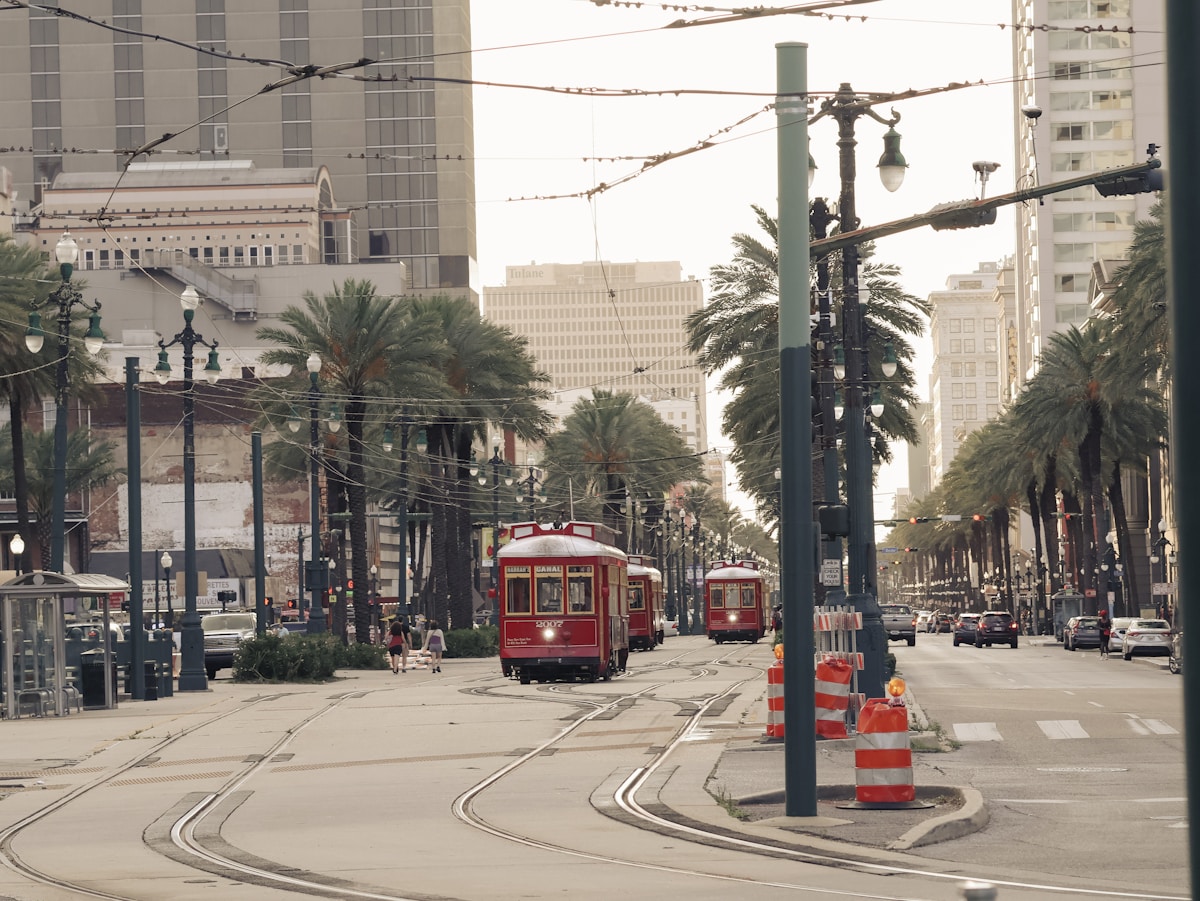
Two of America’s most distinctive Southern cities - both steeped in complicated history, extraordinary architecture, and regional food traditions unlike anywhere else in the country. New Orleans is louder, weirder, and more culturally distinct. Charleston is quieter, more refined, and perhaps the most beautifully preserved 18th-century American city. Both deserve your time.
Quick Verdict
| Category | New Orleans | Charleston |
|---|---|---|
| Hotel cost | $160–280/night | $200–350/night |
| Food identity | Creole/Cajun | Lowcountry |
| Music scene | Jazz, blues, second-line brass | Excellent but smaller |
| Architecture | French Colonial + Greek Revival | Georgian + Antebellum |
| Nightlife | Legendary (Bourbon Street) | Excellent but quieter |
| Beaches | No (1h to Gulf Coast) | 20–30 min to Sullivan’s Island |
| Mardi Gras | Yes | No (St Patrick’s Day parade) |
| Days needed | 3–5 | 2–4 |
Search hotels in New Orleans on Booking.com
Costs
New Orleans runs slightly cheaper for budget and mid-range travellers. Hotel rates in the French Quarter - the tourist centre - vary enormously: the Hotel Monteleone on Royal Street (a literary institution, beloved by Tennessee Williams and Truman Capote) runs $220–350/night; the Omni Royal Orleans on St. Louis Street is $200–300. Further from the Quarter in the Garden District or Mid-City, rates drop to $130–200 for comparable quality properties.
Charleston’s boutique hotel market is concentrated in the historic Peninsula and commands premium rates. The Planters Inn on Market Street ($280–420) and Zero George Street hotel in Ansonborough ($300–450) are the luxury benchmarks. More affordable options: the DoubleTree by Hilton on Calhoun Street at $180–250, and the Restoration on King ($240–340) for design-forward rooms.
Eating cheaply: New Orleans is genuinely accessible - a po’boy at Parkway Bakery & Tavern on Hagan Avenue (one of the city’s great food institutions) runs $12–16. Café Du Monde in Jackson Square serves coffee and beignets until 3am ($5–8 per visit). A proper seafood boil at Deanies in Bucktown runs $18–28 per person.
Charleston cheap eats are harder to find in the historic district. Leon’s Oyster Shop on King Street ($15–20 for oysters) is a beloved institution; the Husk Burger on Rutledge Avenue ($14–16) is excellent. Moving off the tourist trail to East Side or Morrison Drive finds more affordable options.
Architecture
New Orleans’ French Quarter is the most intact 18th and early 19th century urban neighbourhood in the USA. The “French” architecture is actually largely Spanish (New Orleans was rebuilt after two major fires under Spanish governance in 1788 and 1794) - wrought-iron balconies, interior courtyards, plaster-over-brick facades. The Garden District, developed from the 1830s, has grand Greek Revival and Italianate mansions along Prytania Street and St. Charles Avenue. The St. Charles streetcar ($1.25/ride) makes the Garden District an easy excursion from the French Quarter.
Charleston’s architectural preservation is extraordinary - the city has more surviving pre-Revolutionary architecture than any other in the USA. The “Rainbow Row” of pastel Georgian townhouses on East Bay Street, the antebellum mansions on the Battery overlooking Charleston Harbor, and the cobblestone streets of the French Quarter (a smaller neighbourhood than New Orleans’) create a European atmosphere unusual for an American city. Rainbow Row (#79–107 East Bay Street) is the most photographed streetscape in the South.
Both cities have excellent free architectural walking - no admission required for the exterior of either city’s greatest streetscapes.
Food
New Orleans’ culinary traditions are among the most distinct in American food culture. The cuisine is built on French technique, West African ingredients and cooking methods, Spanish influences, and American ingredients - a genuinely unique combination. The best accessible version: a bowl of gumbo at Dooky Chase’s Restaurant in the Tremé neighbourhood ($18–24; this is where President Obama ate when visiting), or Commander’s Palace in the Garden District for a special occasion ($80–120/person for a proper three-course lunch). Cochon on Andrew Higgins Drive (James Beard Award-winning charcuterie and Cajun cooking, $50–75/person) is excellent.
Charleston has had a remarkable food decade. Husk (76 Queen St, $70–100/person) under Sean Brock’s original vision sourced every ingredient from the American South - the spirit remains under current chef-ownership. FIG (Fine Is Good) on Meeting Street ($60–90) is consistently among the top restaurants in the Southeast. Bertha’s Kitchen on Nassau Street in North Charleston (a James Beard American Classic) serves Lowcountry soul food - red rice, fried pork chops, collard greens - for $10–15 per plate.
Music and Nightlife
New Orleans’ music scene is unlike anywhere else in the world. Jazz was born here, and the Preservation Hall on St. Peter Street (entry $20–40, standing room) is the living link to that tradition - the Preservation Hall Jazz Band plays two or three sets nightly in a beautiful cramped hall that hasn’t changed since 1961. The Spotted Cat Music Club on Frenchmen Street (no cover, one drink minimum) has excellent live jazz seven nights a week. The Tremé neighbourhood, home to the city’s Black Creole community, is where second-line brass bands parade through the streets on Sunday afternoons - a genuinely extraordinary street music tradition.
Bourbon Street is the raucous tourist strip - daiquiri shops, strip clubs, cover bands, and walking around with drinks (New Orleans is one of very few US cities where outdoor drinking is legal). For actual good music and bars, Frenchmen Street in the Marigny neighbourhood is far superior.
Charleston’s music and nightlife is more genteel. King Street has a dense bar district, and the Charleston Music Hall on King hosts excellent touring acts. The music scene is strong for a city its size but can’t compare to New Orleans’ deep jazz tradition.
See city guides for New Orleans and Charleston.
History
Both cities have complex histories involving slavery and the antebellum South, and both have made different amounts of progress in engaging with that history.
New Orleans’ history includes the largest slave market in North America on the current site of the DoubleTree Hotel on Canal Street, the Cabildo museum on Jackson Square telling Louisiana’s colonial history ($10 adults), and the Whitney Plantation (60 miles west on River Road, $22 adults) - one of the most powerful and direct museums of American slavery in the country.
Charleston’s Fort Sumter (ferry required, $32 adults round trip) is where the first shots of the Civil War were fired in 1861. The Old Slave Mart Museum on Chalmers Street ($8 adults) occupies the last surviving slave auction building in South Carolina. Middleton Place Plantation (14 miles northwest, $35 adults) has an honest engagement with its plantation history through the Eliza’s House interpretive centre.
Getting Around
New Orleans’ historic core - French Quarter, Marigny, Garden District - is manageable on foot and via the St. Charles streetcar ($1.25, runs 24/7). Frenchmen Street is a 15-minute walk from the Quarter. The Garden District is 4 miles from the Quarter - take the streetcar ($1.25) or an Uber ($8–12). The city has a bike-share program (Blue Bikes, $9/day) and the flat terrain makes cycling easy.
Charleston’s Peninsula is compact and extremely walkable - Rainbow Row, Waterfront Park, the Market, and King Street are all within comfortable walking distance of each other. The Lowcountry Lowline shuttle bus runs free in the downtown area. Sullivan’s Island beach (20 miles northeast) and the plantations require a rental car or Uber.
When to Visit
New Orleans’ best months are February (Mardi Gras season - book 6–12 months ahead, rates triple) and October–November (Jazz Fest is the last weekend of April and first weekend of May, $95–100/day). The summer months (June–September) are brutally hot and humid with hurricane risk. Spring and fall are excellent. The city never really closes - it’s worth visiting any month.
Charleston is most pleasant from March–May and October–November. Summer is hot and humid (90–95°F) but the beaches at Sullivan’s Island and Folly Beach make it manageable. January–February is slow season with lower hotel rates and cool (55–65°F) pleasant weather.
The Verdict
New Orleans is the more culturally singular experience in the USA - nowhere else has its cuisine, music, architecture, and street culture in the same combination. It’s louder, rougher around the edges, and more intoxicating. Charleston is more refined, better preserved architecturally, and has developed a fine dining scene that has caught national attention. It’s the better choice for visitors who want Southern history and culture in a quieter, more comfortable setting.
If you can only choose one for a first Southern trip: New Orleans delivers more that can’t be experienced elsewhere. If you’ve already done New Orleans, Charleston will impress you with how different and how excellent it is.
Read USA travel costs and best time to visit the USA.
For guided tours in either city, browse the full USA tours selection. Compare flights to the USA and set up travel insurance before your trip.
More City Guides and Comparisons
- New Orleans travel guide
- Charleston travel guide
- Nashville vs Austin comparison
- Savannah travel guide
- Underrated USA destinations
- Regional food guide: what to eat across the USA
Plan Your Trip
✈️ Book your flights to the USA 🛡️ Get travel insurance 📱 Stay connected with an eSIM 🚗 Rent a car
Ready to Plan Your Trip?
Here are our top itineraries to help you plan your USA visit:
- 7 Days in New England: Itinerary - Fall foliage and colonial history
- East Coast USA 10-Day Itinerary: NYC, DC, Philadelphia & Boston - The full East Coast circuit