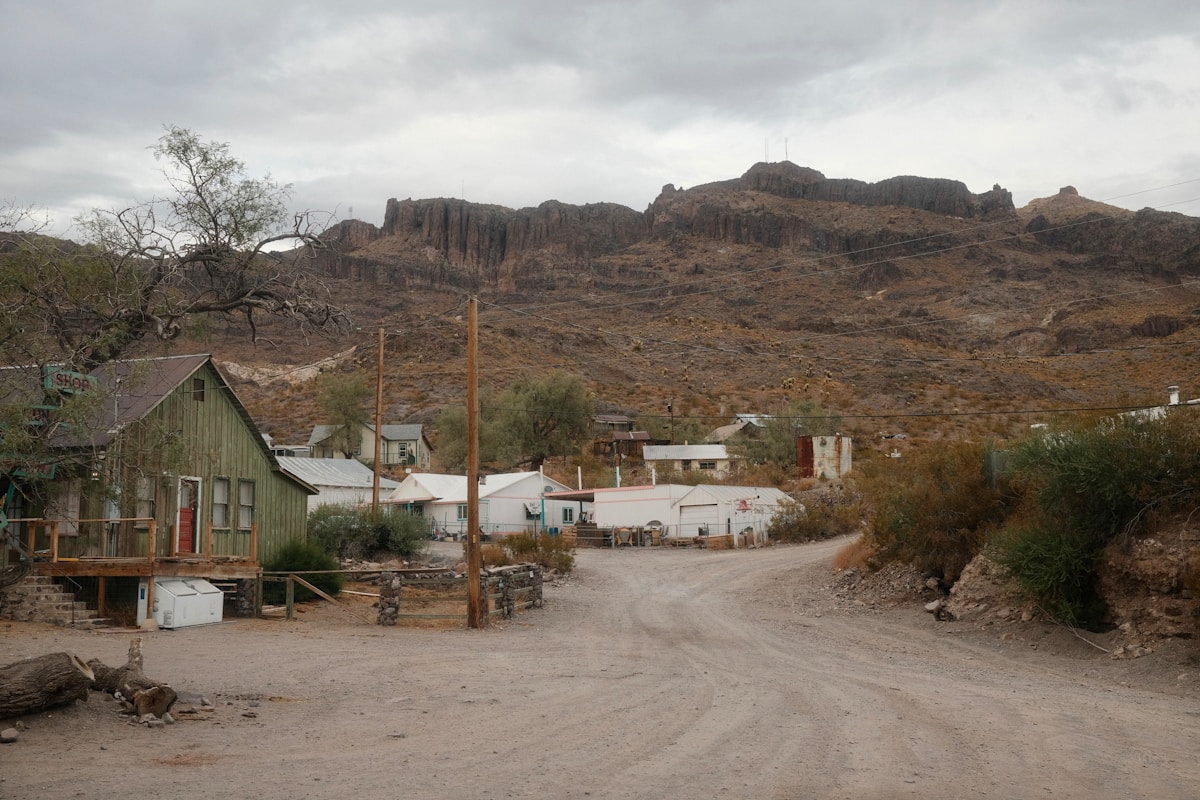
The USA’s tourism infrastructure has concentrated visitors so effectively into a handful of major cities and national parks that enormous amounts of the country remain genuinely undervisited and underappreciated. New York, Los Angeles, San Francisco, Chicago, and the Grand Canyon / Yellowstone / Yosemite trio handle the majority of international visitors. Everything beyond those destinations is the interesting part.
Pittsburgh, Pennsylvania
Pittsburgh spent decades defined by its industrial decline - the steel mills that made it the industrial capital of America closed between the 1970s and 1990s, leaving a reputation for rust and hard times that has not updated to match the current city.
What Pittsburgh actually is: a city of extraordinary Victorian and early 20th-century architecture, built on hills above the confluence of three rivers, with a revived cultural and food scene centred on the East End neighbourhoods of Shadyside, Bloomfield, and East Liberty. The Carnegie Museum of Art and Carnegie Museum of Natural History (4400 Forbes Ave, one building, two museums) together constitute one of the strongest cultural institutions in the country outside New York, with collections that rival much larger-city museums. Admission approximately $25 as of 2026.
The Duquesne Incline (1197 W Carson St) is a funicular railroad surviving from the 19th century, climbing Mount Washington for panoramic views of the city’s confluence - one of the most underrated urban views in America. Round trip approximately $5.
Hotel rates in Pittsburgh run significantly below equivalent East Coast cities: solid hotels in the cultural district for $120–200/night where comparable rooms in New York or Boston would be $350+.
Search hotels in United States on Booking.com
Savannah, Georgia (for those who think they’ve done the South)
Savannah gets visited. But most visitors spend two days in the historic district and miss what actually makes it interesting. The city is built on a grid of 22 public squares - small parks shaded by ancient live oaks draped with Spanish moss, originally designed in the 18th century. Walking every square is a full day’s activity in itself.
Beyond the tourist strip of River Street: the Victorian District has some of the most intact residential Victorian architecture in the South. Forsyth Park (Gaston St and Drayton St) is the large central park with a famous fountain. Laurel Grove South Cemetery (Kollock St and West 37th St) - the historically African American cemetery - has extraordinary ornamental ironwork and is a moving piece of Savannah’s history largely unknown to visitors.
Where to eat: Mrs. Wilkes’ Dining Room (107 W Jones St) for boarding-house-style Southern food: sit at a communal table and pass dishes of fried chicken, collard greens, mac and cheese, black-eyed peas. Lunch approximately $25. Get there by 10am; they open at 11am and often sell out. The Grey (109 Martin Luther King Jr Blvd) for upscale modern Southern cooking in a restored Greyhound bus terminal - one of the best restaurants in the Southeast.
Taos, New Mexico
Taos sits at 6,969 feet elevation in northern New Mexico, about 70 miles north of Santa Fe. Its population is under 6,000. Its cultural weight is extraordinary. The Taos Pueblo (Veterans Hwy, north of town) has been continuously inhabited for at least 1,000 years and is a UNESCO World Heritage Site - the ancient adobe multi-story residential complex remains occupied and is open for tours ($25 per adult as of 2026; check current pricing). It is among the most significant Indigenous heritage sites in North America.
The Taos art colony, established in the early 20th century, gave the town a concentration of painters, writers, and eccentrics (D.H. Lawrence lived here; Georgia O’Keeffe passed through repeatedly; Mabel Dodge Luhan made it her permanent home). The Harwood Museum of Art (238 Ledoux St, $10 suggested donation) and the Millicent Rogers Museum (1504 Millicent Rogers Rd, $15 as of 2026) are the key repositories of that heritage.
Taos Ski Valley (20 miles north, Taos Ski Valley Rd) is one of the steepest ski mountains in North America - the kind of mountain that experts seek out specifically for its difficulty. Day ski passes run approximately $130–165 as of 2026.
Marquette, Michigan
Most Americans cannot locate Marquette on a map. It sits on the south shore of Lake Superior - the largest freshwater lake in the world by surface area - in Michigan’s Upper Peninsula, accessible only by US-41 or by air. Its population is about 20,000. The lake visible from downtown is 350 miles wide. The scenery is extraordinary.
Presque Isle Park (a peninsula park north of downtown) offers cliff walks above Lake Superior with lake views comparable to ocean coastal parks. Pictured Rocks National Lakeshore (one hour east on M-28) is a 40-mile stretch of multicoloured sandstone cliffs above the lake, with hiking trails along the cliff edge and kayak tours around the base (approximately $70–90 for a guided kayak tour).
The Upper Peninsula has a distinct culinary culture: pasties (a Cornish meat pie brought by 19th-century Cornish miners), smelt fryers in spring, wild-caught lake trout. Jean Kay’s Pasties & Subs (1635 Presque Isle Ave, Marquette) for the local version.
Getting there: Sawyer International Airport (SAW) has connections from Chicago O’Hare and Detroit. The drive from Detroit is approximately 7 hours; from Chicago, approximately 8 hours.
Beaufort, South Carolina
Beaufort (pronounced “BYOO-fort”) is one of the most intact antebellum coastal towns in the South. Spanish moss hangs from live oaks on the Bay Street waterfront; 18th and 19th century plantation-era mansions line the residential streets. It was captured early in the Civil War by Union forces and largely spared the destruction that levelled so much of the urban South, leaving its antebellum streetscapes intact.
The Henry C. Chambers Waterfront Park is the civic centre - a waterfront park with views across the Beaufort River. The Verdier House (801 Bay St) is one of the finest Federal-period plantation houses open for tours ($10–15). The Penn Center (16 Penn Center Circle, on St. Helena Island, 10 miles east) was one of the first schools in the South to educate freed slaves after the Civil War and later served as a civil rights planning retreat. Free to visit; the museum is $7.
Where to eat: Saltus River Grill (802 Bay St) for Lowcountry seafood (shrimp and grits, oysters from local waters, crab cake) with river views. Entrees $25–40. Old Bull Tavern (205 West St) for local craft beer.
Duluth, Minnesota
Duluth sits at the western tip of Lake Superior where the lake narrows into the St. Louis River estuary, connected to the Atlantic via the Great Lakes-St. Lawrence Seaway. It is a working port city - ore and grain ships navigate the Duluth Ship Canal past the famous aerial lift bridge (the only one of its kind in North America that raises to let ships pass).
Enger Tower Park (Skyline Pkwy) and Hawk Ridge Bird Observatory (Summit Ave at 3980 Skyline Pkwy) both offer panoramic views over the city, port, and lake. Canal Park (the harbour district) has the lift bridge, shipping canal walkways, the Lake Superior Maritime Visitor Center (free), and a good independent restaurant strip (the Anchor Bar, Bluefin Grille).
The Boundary Waters Canoe Area Wilderness, one hour north of Duluth, is a million-acre roadless canoe wilderness on the Canadian border - 1,200 miles of canoe routes, no motorized vehicles, no permanent structures. Paddling the Boundary Waters is the most distinctly Minnesotan outdoor experience there is. Outfitters in Ely, MN provide complete outfitting from approximately $250–400 per person for a guided entry.
Bentonville, Arkansas
Bentonville is the global headquarters of Walmart - which means it has more money flowing through a small Arkansas town (population approximately 60,000) than most mid-sized American cities. That money, largely in the form of the Walton family’s philanthropic investment, has made Bentonville unexpectedly into one of the country’s best destinations for art and outdoor recreation.
The Crystal Bridges Museum of American Art (600 Museum Way, free admission) is a world-class collection of American painting from colonial portraiture through contemporary art, set in a Frank Gehry-influenced building nestled into a ravine with a creek running through it. It is among the top three or four American art museums outside New York - and unlike the Met or MoMA, there is no queue and no entry fee. The surrounding sculpture trails extend into the Arkansas woods.
Bentonville has also developed one of the country’s most extensive mountain bike trail systems: over 50 miles of purpose-built single-track through the Ozark foothills, centered around the Slaughter Pen trail system and Coler Mountain Bike Preserve. Bike rentals from approximately $50/day at local shops.
Fly into Northwest Arkansas National Airport (XNA), 20 minutes from Bentonville. Arkansas has more to offer beyond the northwest corner - Hot Springs National Park, 3.5 hours southeast, is America’s oldest federally protected reserve and preserves an entire Victorian-era bathhouse row within the small city of Hot Springs.
Bozeman, Montana
Bozeman has been discovered in the last decade and is no longer a secret - it’s become one of the fastest-growing cities in the US, with corresponding price inflation. But it remains one of the best small cities in the Mountain West and a far better base than the more tourist-exhausted Jackson, Wyoming.
The Museum of the Rockies (600 W Kagy Blvd, Montana State University campus) has the world’s largest collection of dinosaur fossils and a Planetarium. Admission approximately $16. Downtown Bozeman along Main Street has excellent local restaurants and the Gallatin County Fairgrounds has events year-round.
Yellowstone’s north entrance at Gardiner, Montana is 53 miles south (about one hour). Big Sky ski resort is 45 miles south (one hour). Bridger Bowl (Bridger Canyon Rd, 16 miles from downtown) is the local mountain - smaller than Big Sky but used by locals and with a far lower price tag (approximately $65–80/day in 2026 versus $200+ at Big Sky).
Natchez, Mississippi
Natchez is the oldest settlement on the Mississippi River and was, in the early 19th century, one of the wealthiest cities in the United States - wealth built entirely on cotton and enslaved labour. That history is present everywhere and is the lens through which Natchez is most honestly explored.
The Forks of the Road slave market site (Liberty Rd at D’Evereux Dr) was one of the largest domestic slave markets in the South. The Natchez National Historical Park (South Canal St) documents this history. Many of the grand antebellum plantation houses (Longwood, Stanton Hall, Dunleith) offer tours that now - increasingly - address the enslaved people who built and worked them, alongside the architectural history.
The Natchez Trace Parkway begins here - a 444-mile scenic route running northeast to Nashville through the historic trace used by Native Americans, early settlers, and military. It’s one of the country’s best drives with no commercial traffic.
City Guides
- Asheville travel guide
- Pittsburgh travel guide
- Savannah travel guide
- New York City travel guide
- Chicago travel guide
- Santa Fe travel guide
- Boise travel guide
- Bend travel guide
Many of the USA’s lesser-visited regions are best explored by car - compare rental car options in the USA. For guided small-group tours off the main tourist circuits, browse activities and experiences across the USA.
Related Guides
Plan Your Trip
✈️ Book your flights to the USA 🛡️ Get travel insurance 📱 Stay connected with an eSIM 🚗 Rent a car
Ready to Plan Your Trip?
Here are our top itineraries to help you plan your USA visit:
- One Week in the USA: New York, Washington DC and Chicago - Three iconic cities in seven days
- East Coast USA 10-Day Itinerary: NYC, DC, Philadelphia & Boston - The full East Coast circuit
- 10 Days on the West Coast: LA, San Francisco and Beyond - Pacific Coast highlights