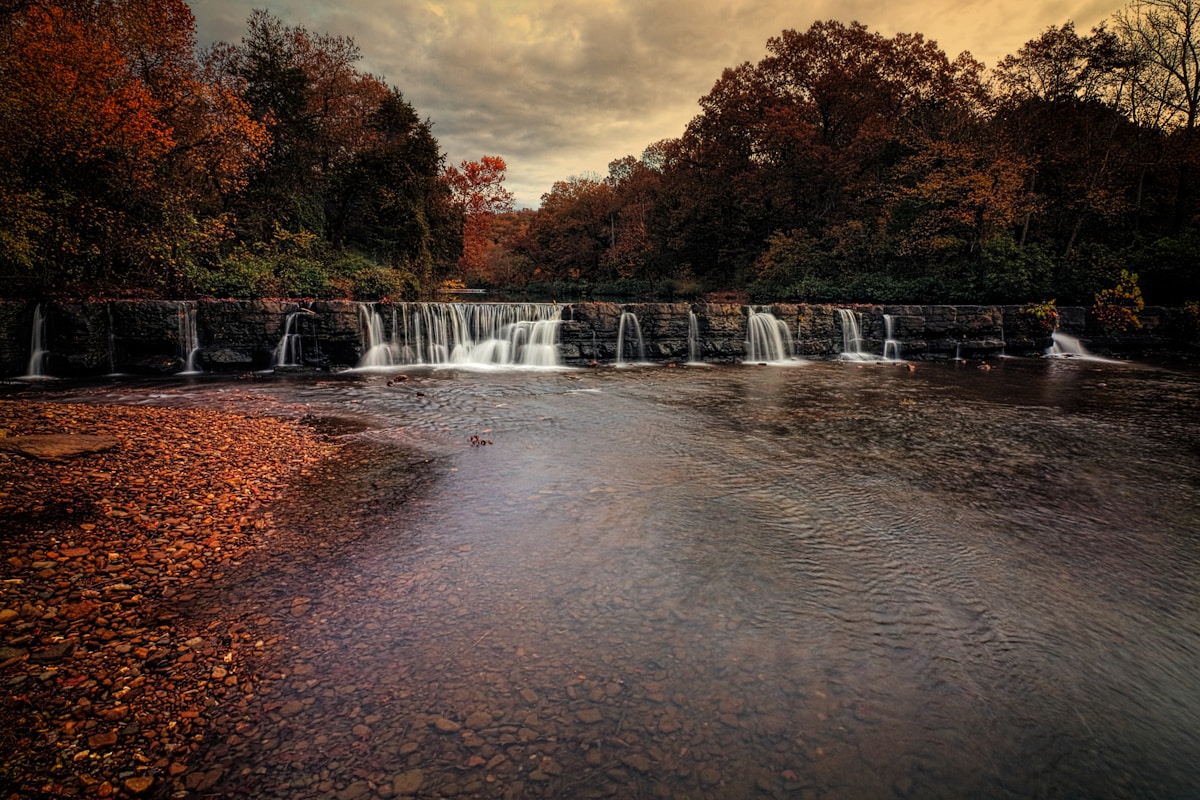
Hot Springs is unlike any other national park in America. While Yellowstone has geysers erupting from a caldera and Yosemite has 3,000-foot granite walls, Hot Springs has a walkable main street with Victorian bathhouses, art galleries, craft breweries, and Arlington Hotel - and directly behind it, 5,554 acres of Ouachita Mountain forest rising to forested ridgetops with 26 miles of hiking trails. The park was established in 1921, making it one of the oldest in the system, originally to protect the 47 natural hot springs that flow from the mountain at approximately 143°F.
Today it functions as both a historic spa district (Bathhouse Row) and a traditional mountain park - an unusual combination that makes it genuinely easy to visit whether your priority is soaking in thermal water or hiking through hardwood forest.
Entry and Costs
Hot Springs National Park has no entrance fee. The park grounds, trails, Bathhouse Row exterior, and the Fordyce Bathhouse Visitor Center are all free to visit.
The working bathhouses charge separately for spa services:
- Buckstaff Bathhouse - the only bathhouse operating in continuous tradition since 1912. Traditional mineral bath approximately $40–55/person as of 2026; add-ons (hot pack, whirlpool, massage) range approximately $25–70 extra. No appointment required for some services; call ahead at busy periods.
- Quapaw Baths and Spa - a renovated 1922 bathhouse with modern spa treatments alongside thermal pools. Pool admission approximately $30–40/person; individual spa treatments approximately $80–200 depending on service.
- The Ozark Bathhouse and others: call or check current hours as openings vary.
The America the Beautiful annual pass does not apply to bathhouse services - these are operated by private concessionaires.
When to Visit
Hot Springs is a year-round destination with a mild Arkansas climate. The city of Hot Springs itself has restaurants, galleries, and accommodation open continuously - the park doesn’t have a “season” in the way that alpine parks do.
Spring (March–May): The Ouachita Mountain trails are at their best with dogwood blooms, azaleas, and pleasant temperatures (55–70°F). The thermal springs flow at the same rate regardless of season.
Fall (September–November): Fall color along the forested ridgelines is strong, particularly on the Sunset Trail. Comfortable hiking temperatures.
Summer (June–August): Hot (85–95°F) and humid, typical of Arkansas. Trails are manageable with early starts; the thermal baths are popular as a break from the heat. Quapaw’s outdoor pools operate through summer.
Winter (December–February): Occasionally sees ice and snow on the mountain trails. Bathhouse soaks are particularly appealing in cooler weather. The city stays active year-round.
Getting There
Hot Springs, Arkansas, is approximately 55 miles southwest of Little Rock via US-70 or I-30/US-270. Bill and Hillary Clinton National Airport (LIT) in Little Rock is the nearest commercial airport, roughly an hour’s drive. Car hire is needed for the drive from Little Rock. Compare options at /go/car-hire-usa. Downtown Hot Springs is walkable once you arrive - the park, bathhouses, restaurants, and most hotels are within easy walking distance of each other.
Bathhouse Row
Bathhouse Row is a mile-long stretch of eight historic bathhouses on Central Avenue, built between 1892 and 1923 at the peak of Hot Springs’ popularity as a national spa destination. All eight are on the National Register of Historic Places; two are fully operational.
Fordyce Bathhouse (now the visitor center): The grandest of the Row - a 1915 neoclassical building with stained-glass windows, fountains, and detailed tilework. Free to visit; self-guided audio tour available. This is the best place to understand what the “American Spa” era looked like at its height.
Thermal spring jug fountains: Hot spring water (cooled to approximately 95°F) flows from spigots at several locations along Bathhouse Row and in the park. Visitors can fill containers for free - locals do this regularly. The water is safe to drink.
Hiking the Mountain Trails
The park’s trail system covers both Hot Springs Mountain (the peak directly above Bathhouse Row) and West Mountain:
- Hot Springs Mountain Trail - 0.7 miles (each way) from the mountain base to the Hot Springs Mountain Tower. The tower ($10 admission) offers panoramic views of the city and surrounding Ouachita forest. The summit trail itself is short but steep.
- Goat Rock Trail - 3-mile loop on West Mountain through pine-and-oak forest with occasional ridgeline views. Moderate; good for a 1.5-hour outing.
- Sunset Trail - the park’s longest trail at 10.7 miles, running the ridgelines of both mountains with connecting options. A full day for most hikers; carry water as there are no sources on the trail.
- Shortcut Trail - 2.9 miles connecting the two mountains through the valley. Often combined with sections of Sunset Trail.
All trails are well-signed and maintained. Dogs are permitted on all surface trails on leash.
Lodging and the City
Arlington Resort Hotel & Spa - the historic grande dame of Hot Springs, built in 1924, directly on Bathhouse Row. Standard rooms approximately $150–260/night; has its own thermal pools for guests. A genuine piece of American resort history.
Search hotels in Hot Springs on Booking.com
The Waters Hotel (formerly the Majestic) - recently renovated historic hotel near the Row, approximately $140–220/night.
Chain hotels along US-70 approximately $80–130/night; the city has a wide range of budget to mid-range options within a 10-minute drive of the park.
Garvan Woodland Gardens (nearby) is worth a half-day: a 4.5-acre botanical garden on Lake Hamilton with extraordinary spring azalea and fall color displays.
Safety
- Trail water: no water sources on mountain trails. Carry at least 1 liter for shorter hikes; 2+ liters for the Sunset Trail.
- Poison ivy: abundant along the forest trails, particularly in humid lower sections. Learn to identify and avoid.
- Urban park: the park boundary is porous and the city surrounds it. The forest trails feel genuinely remote despite being minutes from downtown.
- Ticks: year-round presence in the Ouachita forest. Check thoroughly after any trail walk.
Nearby
Hot Springs is 50 miles southwest of Little Rock (1 hour) and 185 miles east of Memphis (3 hours). For planning a broader mid-South trip, the Great River Road passes within range and covers the Mississippi River corridor from Minnesota to the Gulf. The America the Beautiful pass covers Hot Springs National Park entry.
For guided ranger-led and private tours of Hot Springs National Park, browse available tours and experiences on GetYourGuide - from wildlife and photography excursions to multi-day adventures in and around the park.
Related Guides
- Memphis travel guide
- Nashville travel guide
- Great River Road road trip
- Regional food guide
- America the Beautiful Pass guide
- Mammoth Cave National Park guide