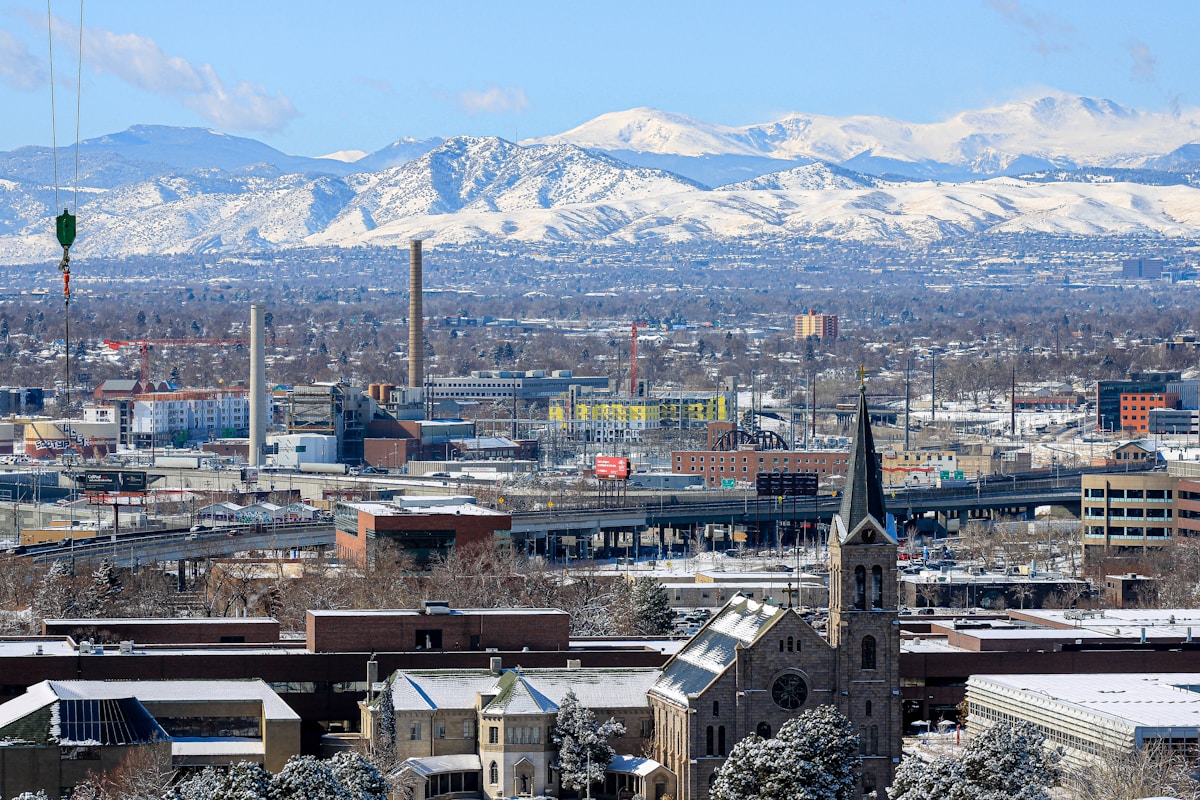
Denver and Salt Lake City are the two major gateways to the American Mountain West - both at elevation (Denver at 5,280 feet, Salt Lake City at 4,330 feet), both surrounded by exceptional skiing and national parks, and both offering a Western US urban experience quite different from the coastal cities. They’re 525 miles apart (8-hour drive or 1h20m flight) and attract similar visitors with slightly different interests.
Quick Verdict
| Category | Denver | Salt Lake City |
|---|---|---|
| Hotel cost | $150–240/night | $130–210/night |
| Craft beer | Outstanding (400+ breweries) | Limited (Utah alcohol laws) |
| Skiing access | Colorado resorts (1.5–2h) | Utah Wasatch (45min–1h) |
| Snow quality | Excellent | Greatest Snow on Earth™ |
| National parks | Rocky Mountain (1.5h) | Mighty Five (3–5h) |
| Food scene | Excellent | Growing |
| Cultural institutions | Strong | Denver-level |
| Days needed | 2–4 | 2–3 (city), more with parks |
Search hotels in Denver on Booking.com
Costs
Salt Lake City is the cheaper of the two urban bases. Hotel rates near Temple Square and the Downtown convention centre: the Kimpton Hotel Monaco Salt Lake City on West 200 South runs $150–220/night; the AC Hotel Salt Lake City Downtown is $140–200. Denver rates in LoDo (Lower Downtown, near Union Station): the Kimpton Hotel Born on Wewatta Street is $180–260; the Crawford Hotel inside the historic Union Station building ($200–300) is a spectacular property but premium-priced.
Both cities are meaningfully cheaper than coastal US cities. Dinner for two with drinks at a mid-range Denver restaurant (say, Linger in LoHi) runs $85–110. In Salt Lake City, comparable restaurants (The Copper Onion on W 200 South, consistently one of the city’s best) run $70–95. Note: Utah’s alcohol laws mean wine and cocktails are more expensive at restaurants ($13–18/glass versus $10–15 in Denver), which partially offsets the lower base meal cost.
The practical cost comparison changes significantly once transport to ski resorts is factored in. Utah’s resorts are 45 minutes to an hour from SLC by canyon road; Colorado’s resorts are 1.5–2 hours from Denver on I-70. A rental car is the most flexible way to reach either set of resorts. Lift tickets at major resorts in both states run $120–180/day for single-day walk-up rates, with significant savings on multi-day and advance purchase tickets.
Skiing
This is the primary reason most visitors compare these two cities.
Salt Lake City’s access to the Wasatch Front ski resorts is extraordinary. Alta (45 minutes, ski-only) and Snowbird (adjacent to Alta, 45 minutes) are two of the most challenging and rewarding ski areas in North America. Park City Mountain Resort (50 minutes on I-80) is the largest ski resort in the USA by terrain - over 7,300 acres - and is part of the Vail Resorts Epic Pass system. Deer Valley (adjacent to Park City) is skiing-only (no snowboards), beautifully groomed, and famous for excellent service and on-mountain dining. Lift tickets as of 2025: walk-up day tickets at Snowbird $189, Park City $189–209, Alta $129. Utah’s consistent “Utah Powder” (low-moisture, dry snow) is what draws skiers from worldwide.
Denver’s ski resort access: Breckenridge (1h40m on I-70) has 2,908 acres across five peaks and a charming Victorian mining town at the base. Vail (1h50m) is one of America’s most famous ski destinations - 5,317 acres, expensive hotels in Vail Village ($300–600/night), and world-class back bowls. Keystone and Arapahoe Basin are closer (1h20m) and better for early/late season when Colorado’s snowfall is less consistent. Lift tickets run $140–200/day walk-up; Epic and Ikon passes cover most major resorts at significant discount.
National Parks
Salt Lake City is the better national park base by a significant margin. The five Utah national parks - the “Mighty Five” - are all accessible from SLC as day trips or overnight stops:
- Zion National Park (4.5 hours south): the Narrows slot canyon hike is one of the most extraordinary experiences in the US southwest; entry $35/vehicle
- Bryce Canyon National Park (4.5 hours south, near Zion): hoodoo rock formations and some of the darkest skies in the continental USA; entry $35/vehicle
- Arches National Park (4 hours southeast near Moab): over 2,000 natural sandstone arches; the Delicate Arch hike (3 miles round trip) is iconic; entry $30/vehicle
- Canyonlands National Park (4.5 hours southeast): vast canyon country with Island in the Sky mesa views; entry $30/vehicle
- Capitol Reef National Park (3.5 hours south): the least-visited of the five, with excellent fruit orchards and canyon hikes; entry $20/vehicle
Denver’s national park access centres on Rocky Mountain National Park (1.5 hours northwest, entry $35/vehicle) - one of the most visited parks in the USA with 300+ miles of trails and elk visible year-round. Great Sand Dunes National Park (3.5 hours south) and Black Canyon of the Gunnison National Park (4 hours south) are outstanding but less famous.
For a national parks-focused trip, Salt Lake City is the superior base.
Culture and Food
Denver has more developed urban amenities. The Denver Art Museum (100 W 14th Ave, $18 adults) has exceptional Native American and Western American art collections. The Museum of Nature & Science ($21 adults) is one of the best natural history museums in the Mountain West. The Denver Performing Arts Complex is the second-largest in the US. LoDo (Lower Downtown) around Union Station has a concentration of excellent restaurants, cocktail bars, and the city’s craft beer scene.
Salt Lake City’s cultural offerings are centred on Temple Square (the Mormon temple complex, free to walk around the grounds) - the most distinctive urban landmark in the Mountain West. The Natural History Museum of Utah ($16 adults) on the University of Utah campus is exceptional for dinosaur fossils. The Utah Museum of Fine Arts ($12 adults) and the free Gilgal Sculpture Garden in the 9th & 9th neighbourhood are good additions. The food scene has improved dramatically: The Copper Onion, Pago on Highland Drive, and Centro Woodfired Pizzeria are all excellent.
See city guides for Denver and Salt Lake City.
Getting Around
Denver has the RTD light rail and commuter rail network - the A Line runs from Union Station to Denver International Airport in 37 minutes ($10.50). The light rail covers Downtown, the suburbs, and sports venues. A Lyft between Downtown Denver and the ski resort shuttles (most depart from Union Station) runs $15–20.
Salt Lake City’s TRAX light rail system ($2.50/ride) connects the airport to Downtown and the University. The UTA Ski Bus service ($4.50 each way) runs directly from Downtown SLC to Alta/Snowbird and Park City during ski season - one of the most convenient public transit ski access systems in the USA. This effectively eliminates the need to rent a car if skiing is your primary activity.
When to Visit
For skiing: both cities are best from mid-December through March. Utah typically gets its best snow from January through mid-March. Colorado’s snowfall is less consistent year to year but generally excellent.
For national parks from SLC: spring (April–May) and fall (September–October) are best - summer in Zion and Bryce Canyon is extremely hot (90–100°F) and crowded. The Narrows in Zion can close due to flash flood risk in spring. Angel’s Landing in Zion requires a permit for the upper section from March to November.
For Denver summer: Rocky Mountain National Park is accessible June through September; Trail Ridge Road (the highest continuous paved road in the USA, 12,183 feet) is open only in summer. Denver summer temperatures are pleasant (80–88°F days, cooling rapidly to 55–60°F at night due to altitude).
The Verdict
Choose Denver if craft beer, a livelier urban food and bar scene, and access to Colorado’s diverse ski resorts and summer hiking matter most. Choose Salt Lake City if you’re specifically targeting the Mighty Five national parks or the world-class Utah powder skiing of Alta, Snowbird, and Park City.
For ski-focused visitors, SLC’s proximity to the Wasatch resorts (45–60 minutes) and the quality of Utah snow tips the balance significantly. For a summer mountain city break with excellent restaurants and a more vibrant nightlife, Denver wins.
Read about getting around the USA and USA travel costs.
For guided tours in either city, browse the full USA tours selection. Compare flights to the USA and set up travel insurance before your trip.
More City Guides and Comparisons
- Denver travel guide
- Salt Lake City travel guide
- Utah’s Mighty 5 road trip
- Rocky Mountain National Park guide
- Yellowstone National Park guide
- Park City ski resort guide
- Aspen ski resort guide
- Vail ski resort guide
- Digital nomad guide to Denver
Plan Your Trip
✈️ Book your flights to the USA 🛡️ Get travel insurance 📱 Stay connected with an eSIM 🚗 Rent a car
Ready to Plan Your Trip?
Here are our top itineraries to help you plan your USA visit:
- One Week in the USA: New York, Washington DC and Chicago - Three iconic cities in seven days
- East Coast USA 10-Day Itinerary: NYC, DC, Philadelphia & Boston - The full East Coast circuit
- 10 Days on the West Coast: LA, San Francisco and Beyond - Pacific Coast highlights