Denver: Red Rocks, Mile High City & Mountain Access
Plan your Denver trip with guides to the Mile High City's neighbourhoods, Rocky Mountain day trips, hotels, restaurants, and transport.
Guides for Denver
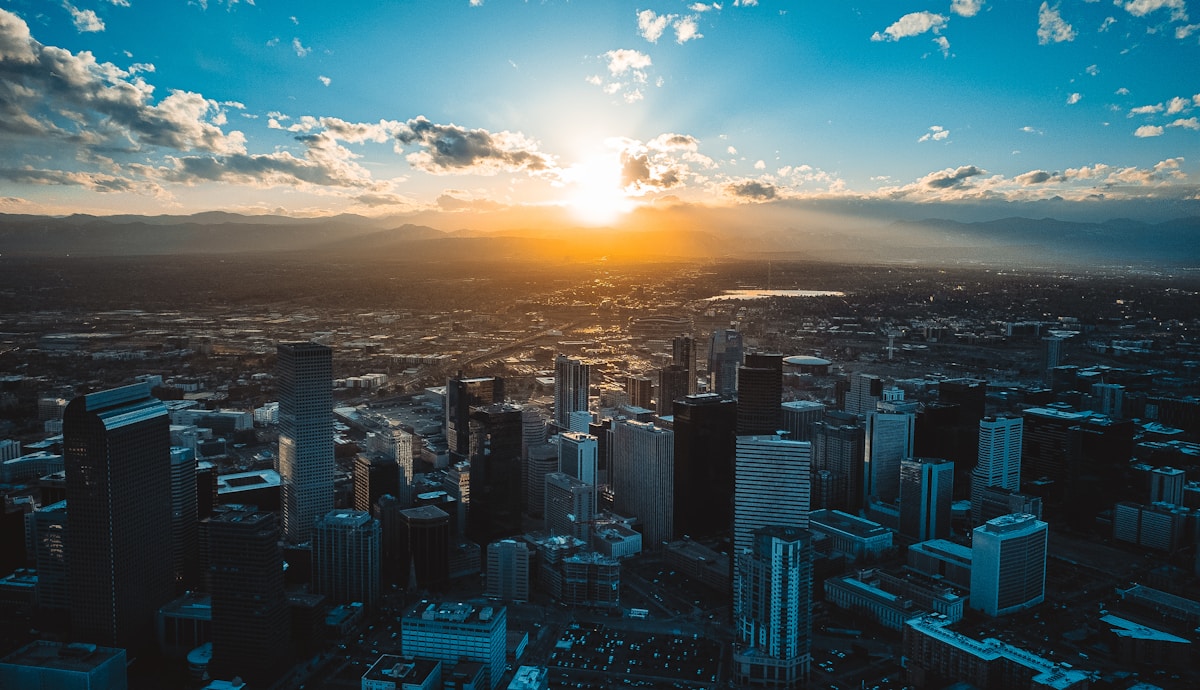
Denver sits at exactly 5,280 feet above sea level - the Mile High City is not a marketing slogan but a surveyed fact, confirmed by a row of markers on the State Capitol steps. The city covers 155 square miles on the eastern edge of the Rocky Mountain Front Range, a position that gives it clear views of peaks rising to 14,000 feet while still being a full-sized American city with direct international flights, a mature food scene, and a serious craft beer culture. Denver proper has around 750,000 residents; the metro area exceeds 2.9 million.
The combination of outdoor access and urban amenities is Denver’s main draw. Rocky Mountain National Park is 90 minutes away by car. Breckenridge, Vail, and Keystone ski resorts are 90 minutes to two hours. Red Rocks Amphitheatre - one of the world’s most distinctive live music venues - is 15 miles from downtown. The city itself is increasingly worth visiting for its own sake: the River North Art District (RiNo), the Larimer Square restaurant and bar strip, and a food scene that has moved well beyond its steakhouse roots.
Getting to Denver
By air: Denver International Airport (DEN) is one of the busiest airports in the country, handling approximately 77 million passengers annually. It sits 25 miles east of downtown - farther than most major US airports from their city centres. The University of Colorado A Line commuter rail connects DEN to Union Station downtown in approximately 37 minutes for approximately $10.50 (as of 2026). Taxis cost approximately $55–$65; rideshares approximately $35–$55 depending on surge.
By train: Amtrak’s California Zephyr connects Chicago to San Francisco via Denver. The Zephyr stops at Denver Union Station. Chicago to Denver is approximately 18 hours; the route through the Rockies west of Denver is widely regarded as one of the most scenic train journeys in North America. Fares from approximately $70 for coach; sleeper cars from approximately $250.
By car: Denver is accessible via I-70 (east-west) and I-25 (north-south). I-70 west climbs into the Rockies through the Eisenhower Tunnel (11,013 feet) and is the main route to ski resorts. Heavy ski traffic on winter Fridays and Sundays extends Denver-to-Vail commute times from 90 minutes to 3–4 hours; budget accordingly.
Getting Around Denver
RTD (Regional Transportation District) operates light rail, bus rapid transit, and commuter rail throughout the metro. The downtown Free MallRide buses run along the 16th Street Mall at no charge. A single RTD fare is approximately $3 (as of 2026); a day pass approximately $6.50.
The light rail and rail network is useful for reaching the airport, Lakewood (Red Rocks area), and Boulder (via the Flatiron Flyer BRT). Within downtown and the main neighbourhood strip running through Capitol Hill, RiNo, and LoHi, walking and rideshare are often easier than rail.
Denver B-Cycle operates about 700 bikes across 90 stations; a 24-hour pass is approximately $15.
Where to Stay in Denver
The Brown Palace Hotel and Spa (321 17th St) - the grande dame of Denver hospitality, open since 1892. The eight-story atrium lobby with stained glass skylight is the architectural centrepiece. This is where US Presidents and Beatles have stayed; the hotel keeps a guest book going back to Teddy Roosevelt. Rooms from approximately $260 per night; suites from approximately $500. Sunday champagne brunch in the Ship Tavern is a Denver institution.
Search hotels in Denver on Booking.com
The Crawford Hotel (1701 Wynkoop St) - built inside the restored Denver Union Station building (1881), with 112 rooms occupying the historic train shed and second-floor spaces. The lobby level houses bars and restaurants making it one of the city’s best social spaces regardless of where you’re staying. Rooms from approximately $230 per night. The A-Line to the airport departs from directly below.
Halcyon, a Hotel (245 Columbine St) - a Cherry Creek boutique hotel with a rooftop pool and strong brunch scene. Rooms from approximately $220 per night; well-positioned for Cherry Creek North’s shopping and the bike path network along Cherry Creek itself.
The Ramble Hotel (1280 25th St, RiNo) - the River North Art District’s anchor hotel, decorated with independent art and connected to Death & Co Denver (one of the best cocktail bars in the city). Rooms from approximately $190 per night. RiNo’s restaurant and gallery scene is walkable from here.
11th Avenue Hotel and Hostel (1112 Broadway) - the most reliable budget option in Capitol Hill, with private rooms from approximately $80 and dorm beds from approximately $30. Basic but clean; the neighbourhood has multiple coffee shops and bars within walking distance.
Where to Eat in Denver
Work & Class (2500 Larimer St, RiNo) - a loud, casual restaurant built around a wood-fired hearth. The menu changes often; the barbacoa, fish tacos, and roasted chicken are recurring anchor dishes. Mains approximately $14–$26. No reservations; arrive early or expect a wait.
Fruition Restaurant (1313 E 6th Ave) - a long-running farm-to-table restaurant in Capitol Hill. Chef Alex Seidel operates one of the most awarded kitchens in Denver. Tasting menu approximately $90–$110; à la carte mains approximately $30–$42. Reservations essential.
Smok (3330 Brighton Blvd, RiNo) - wood-smoked barbecue with a Colorado lean: brisket, pork ribs, and lamb from local ranches. Half a pound of brisket approximately $16; ribs approximately $18–$22. No reservations; arrive before 11:30am or expect to wait.
Mercantile Dining & Provision (1701 Wynkoop St, Union Station) - Alex Seidel’s Union Station restaurant, more accessible in price than Fruition. Lunch sandwiches approximately $14–$18; dinner mains approximately $24–$38. Good for post-airport arrival or pre-departure meals.
Hop Alley (3500 Larimer St) - Chinese-American restaurant in RiNo, one of the most consistently good restaurants in the city. The long beans with black vinegar and the cumin lamb are standouts. Small plates approximately $12–$22; dinner only. Reservations recommended.
What to See in Denver
Red Rocks Park and Amphitheatre (18300 W Alameda Pkwy, Morrison) - 15 miles west of downtown, this 9,450-seat concert venue is set between two 300-foot sandstone monoliths formed 65 million years ago. When there’s no concert, the park is open for hiking and sightseeing; the amphitheatre itself is free to walk. Morning yoga sessions run from May through October at approximately $15. Concert tickets vary from approximately $35 for smaller acts to $200+ for major shows; check redrocksonline.com.
Denver Art Museum (100 W 14th Ave) - adults approximately $22, children approximately $13 (as of 2026). Open Tuesday–Sunday 10am–5pm. The collection includes exceptional Native American and Western American art holdings, and the Frederic C. Hamilton Building (designed by Daniel Libeskind) is architecturally distinctive.
Rocky Mountain National Park - 90 miles northwest of Denver via US-36 and CO-34. Entry fee approximately $35 per vehicle as of 2026 (timed entry required May–October; book at recreation.gov). Trail Ridge Road, the highest continuously paved road in the US, is open from late May to mid-October.
Denver Botanic Gardens (1007 York St) - adults approximately $19, children approximately $12. Open daily 9am–8pm in summer (shorter hours in winter). Particularly good in summer when the outdoor gardens are at full display; also known for summer concerts on the lawn.
History Colorado Center (1200 Broadway) - adults approximately $16, children approximately $10. Interactive Colorado history exhibits from the Ancestral Puebloans to the Dust Bowl to ski culture. Open Tuesday–Sunday 10am–5pm.
Practical Notes
Remote workers have found Denver to be one of the most livable US cities for combining work and outdoor recreation. Ski resorts are 45–90 minutes from downtown, coworking is concentrated in RiNo, and there is no cap on how much powder you can ski before a 9am call. See our Denver digital nomad guide for coworking spaces, neighborhood rent comparisons, and internet infrastructure details.
The altitude hits some visitors harder than others. Symptoms of altitude adjustment - headaches, fatigue, shortness of breath - typically appear within the first 24 hours and subside by day two or three. Drink extra water, limit alcohol on your first day, and don’t plan your most strenuous hike for day one. Acclimatisation is genuine: Denver’s altitude is approximately 5,280 feet, and many trailheads in Rocky Mountain National Park start at 8,000–9,000 feet.
Average high temperatures: January 47°F (8°C); July 88°F (31°C). Denver gets approximately 300 days of sunshine per year but is prone to afternoon thunderstorms in summer (typically 2–5pm). The Front Range snow shadow means Denver gets less snow than the mountains; a blizzard that drops 3 feet on Breckenridge might leave 4 inches in Denver.
Sales tax in Denver is approximately 8.81% on most goods; cannabis (legal in Colorado) is taxed separately and costs approximately $12–$20 per gram at licensed dispensaries.
Planning your Denver trip? Browse guided tours and activities in Denver to book tickets and experiences in advance. For getting around the wider region, car hire in the USA gives you the most flexibility. Visitors from outside the USA will also want to sort travel insurance and an eSIM for the USA before departure.
More Denver Guides
- Things to do in Denver
- Denver food guide
- Best hotels in Denver
- Day trips from Denver
- Digital nomad guide to Denver
- Denver vs Salt Lake City comparison
- Rocky Mountain National Park guide
- Great Sand Dunes National Park guide
- 10-day Southwest itinerary
- Skiing in the USA guide
- Vail ski resort guide
- Aspen ski resort guide
Book an experience
Top experiences in Denver
Explore the best tours and activities in Denver , with instant confirmation and free cancellation on most bookings.
Where to stay: Browse hotels in Denver on Booking.com; filter by dates, budget, and guest rating.