How to Rent a Car in the USA: Costs, Tips, and Best Companies
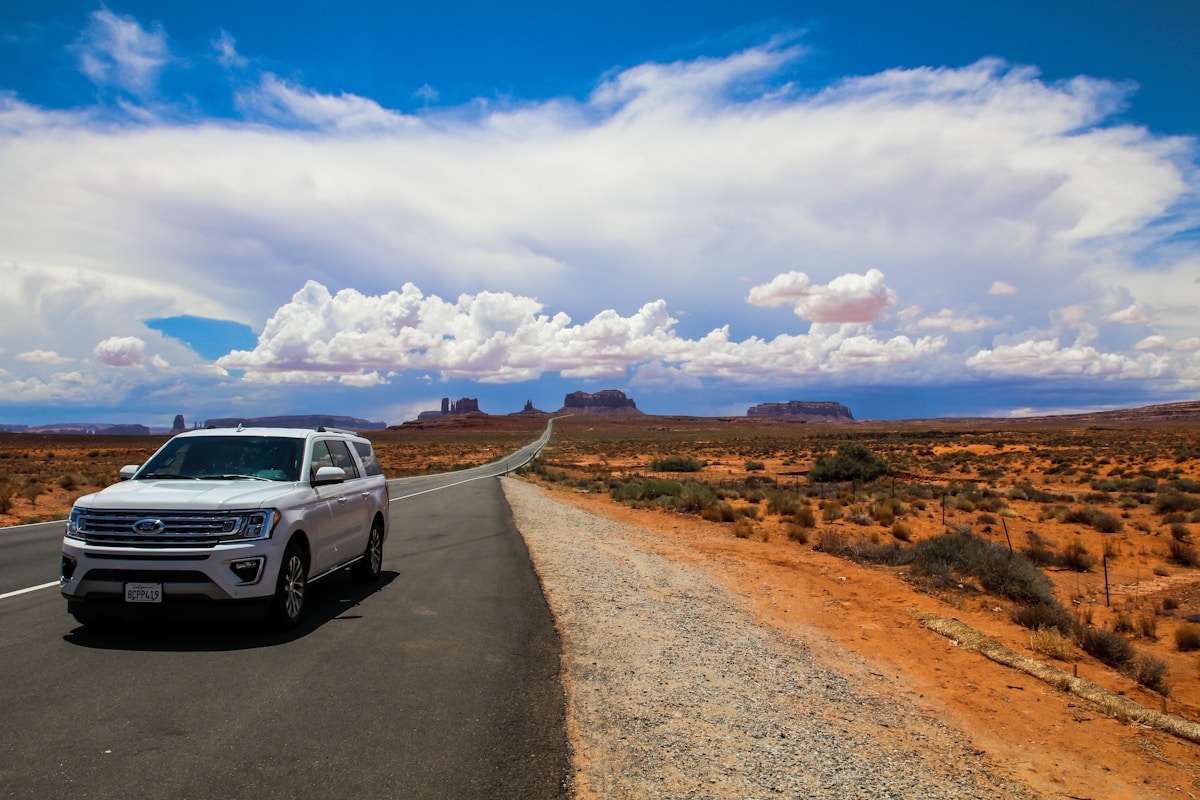
Renting a car in the USA unlocks a version of the country that trains and buses can’t reach — national parks, small towns, the stretching landscapes between cities. The rental market is large and competitive, which is good for prices; it also generates a thick layer of fees, insurance upselling, and fine print worth understanding before you hand over your card.
How Much Does Renting a Car Cost in the USA?
Expect wide variation depending on season, location, and vehicle class. Indicative daily rates as of 2026:
| Vehicle Class | Low Season | Peak Season | Airport Surcharge |
|---|---|---|---|
| Economy (Honda Fit, etc.) | $30–$50/day | $60–$120/day | Add 10–25% |
| Standard sedan | $40–$65/day | $75–$140/day | Add 10–25% |
| Mid-size SUV | $55–$85/day | $95–$180/day | Add 10–25% |
| Minivan (7 seats) | $70–$100/day | $110–$200/day | Add 10–25% |
| Full-size pickup | $60–$90/day | $100–$180/day | Add 10–25% |
Peak season for most destinations: Memorial Day weekend through Labor Day (late May–September), plus Thanksgiving week and the Christmas–New Year stretch. Florida peaks during spring break (March–April). Ski destinations (Denver, Salt Lake City, Reno) peak December–March.
Weekly rates are meaningfully cheaper per day than daily rates — if you need a car for five or six days, booking a weekly rate often saves $20–$40 compared to booking six individual days.
The Major US Rental Companies
Enterprise — the largest car rental company in the US by number of locations, including many in-town (off-airport) spots. Consistently strong customer service ratings. Good for families and anyone who values a reliable pickup process. Enterprise Plus loyalty program gives moderate perks.
National Car Rental — owned by the same parent as Enterprise, National skews toward business travel. The Emerald Club lets members walk straight to the lot and choose their own vehicle, bypassing the counter entirely. Competitive on mid-size and full-size categories.
Hertz — large fleet, strong airport presence, and the Gold Plus Rewards status program lets members skip the counter. Hertz has faced some service inconsistencies since emerging from bankruptcy; read recent reviews at your specific pickup location before booking.
Avis — competitive pricing on economy and standard vehicles. Preferred loyalty program members skip the counter. Generally reliable across airport locations.
Budget — typically the cheapest option from the major companies for basic economy vehicles. Operates from the same locations as Avis (same parent company). The tradeoff for lower prices is often longer counter wait times.
Alamo — popular with leisure travelers and families. Good selection of minivans and larger SUVs. Alamo Insiders members can pre-select vehicles online and proceed directly to pickup.
Sixt — European company with growing US presence at major airports. Often competitive pricing on premium vehicles. Strong app for managing bookings.
Turo (peer-to-peer) — rent directly from private car owners via the Turo app. Can offer significant savings, especially in markets where traditional rental fleets are limited. Experience varies by host; read reviews carefully and confirm insurance coverage applies.
Where to Compare Prices
Never book through only one channel. US rental prices fluctuate significantly between platforms:
- GetRentaCar — aggregates rates from all major rental suppliers in one search, with clear total pricing including fees
- Company websites — sometimes have direct-book discounts not available through aggregators; also worth checking for loyalty member rates
- Costco Travel — Costco members consistently find among the lowest rental rates in the US, including Hertz, Enterprise, and Alamo, with no young-driver surcharge for members aged 21–24 at many locations
- USAA, AAA — members of these organisations receive discounted rental rates; worth checking if you belong
Compare the total cost including fees rather than the headline rate. A $30/day economy car with $15/day toll transponder, $12/day additional driver, and a $40 young-driver surcharge ends up more expensive than a $50/day rate that includes those elements.
Insurance: The Short Version
This is where most rental counter upselling happens. What you actually need:
Step 1 — Check your personal auto insurance. If you have a US personal auto insurance policy, call your insurer and ask whether it covers rental cars. Many do (typically with the same deductible as your own vehicle). If yes, you may only need minimum liability from the rental company.
Step 2 — Check your credit card. Most Visa Signature, Mastercard World Elite, and premium Amex cards include collision/damage waiver (CDW) coverage for rental cars when you:
- Pay for the rental with that card, AND
- Decline the CDW/LDW from the rental company at the counter
Coverage terms vary. Some cards exclude certain vehicle types (luxury, pickup trucks, vans) and certain countries (Canada, Ireland, Italy are common exclusions). Read your card’s benefit guide specifically for rental car coverage before relying on it.
Step 3 — Decide what to buy at the counter. Most renters end up needing:
- Nothing extra (if personal auto + credit card cover it), OR
- CDW/LDW only (~$15–$35/day), if no other collision coverage applies
What to decline:
- Personal Accident Insurance — your travel insurance likely covers medical expenses
- Personal Effects Coverage — your travel insurance or homeowner/renter insurance likely covers theft
- Roadside Assistance — often duplicated by your credit card or auto club membership
Understanding the Fee Breakdown
When you pick up the car, the counter will quote a total that can be significantly higher than what you saw online. Common additions:
Airport Concession Recovery Fee (ACRF) — typically 10–15% on top of the base rate at airport locations. Non-negotiable at airports.
State and local taxes — varies by state. Florida, Hawaii, and Nevada have some of the highest rental car taxes. Arizona and Texas are lower.
Young driver surcharge — $25–$35/day for drivers under 25. Some companies waive it for military or corporate accounts.
Additional driver fee — $10–$15/day per extra listed driver. Spouses are sometimes waived. Undisclosed additional drivers violate the rental agreement and void insurance coverage.
Toll transponder — $15–$25/day to use the rental company’s E-ZPass, SunPass, or FasTrak. If you’ll pass through more than one or two toll plazas, compare this to the bill-by-mail alternative. If you won’t use any toll roads, decline it.
Fuel service option — declining this means returning the car full (the correct choice for most renters). Accepting it means paying the company’s above-market fuel rate to fill the tank, regardless of how much you actually use.
State-by-State Quirks for Renters
California — Many rental agreements restrict taking the vehicle into Mexico. Mileage caps on some deals. Highway 1 (Pacific Coast) is spectacular but time-consuming; plan extra days. FasTrak handles Bay Area bridge tolls.
Nevada (Las Vegas) — High demand during conventions and major events spikes prices sharply. Book early or check dates against the Las Vegas Convention Center event calendar. Most rental locations are off-the-Strip; factor in transport from the airport.
Florida — SunPass handles Florida Turnpike and most other toll roads. Spring break and snowbird season (January–March) raises prices in Miami and Orlando significantly.
New York — Very few people rent in NYC itself (parking is expensive and difficult). More common: rent at JFK, Newark, or LaGuardia and drive directly out. Returning to Manhattan and parking a rental car overnight costs $40–$80/night in garages.
Hawaii — Rental cars are typically required to stay on the island they’re rented from. Inter-island travel means returning the car, flying, and renting again. Big Island and Maui both have individual rental desks at their airports. Kauai is smaller — some renters find 4WD vehicles worthwhile for accessing Na Pali Coast trailheads.
Alaska — Most rental companies require vehicles to stay on the road-accessible Alaska highway system. Some specifically prohibit driving the Alaska Highway into Canada without prior written approval and additional insurance. Confirm before booking if your trip includes Whitehorse.
Texas — Second highest toll road mileage in the US. TxTag handles Dallas, Austin, and Houston area tolls. Expect toll exposure if driving major corridors around these cities.
Practical Booking Tips
Book refundable rates. US rental companies often offer both refundable and non-refundable rates. The non-refundable rate is typically $5–$15/day cheaper — worth it only if your travel plans are firm. Price drops happen frequently; with a refundable booking you can re-book at the lower rate.
Check prices again 3–5 days before pickup. Fleet management algorithms often drop prices close to the pickup date if vehicles are underbooked. This works best in low to mid-demand periods.
Request a specific vehicle model only if critical. Rental agreements are for a vehicle class, not a specific model. If you specifically need cargo space, a hybrid, or an AWD vehicle, confirm with the company that your class guarantees it — or look for companies that explicitly guarantee vehicle selection.
Inspect before you drive. Walk the vehicle with a rental company representative and photograph (or video) any existing damage before leaving the lot. Report every scratch and dent, no matter how small. Undocumented damage is the primary source of disputed charges on return.
Fuel up near the airport before return. Gas stations immediately adjacent to rental return areas charge premium prices. Refuel 5–10 miles before the airport and you’ll typically save $0.30–$0.60/gallon.
Related Guides
Plan Your Trip
✈️ Book your flights to the USA 🛡️ Get travel insurance 📱 Stay connected with an eSIM 🚗 Rent a car
Ready to Plan Your Trip?
Here are our top itineraries to help you plan your USA visit:
- Route 66 Itinerary: 14 Days from Chicago to Santa Monica — The classic American road trip
- 14 Days in California: Road Trip Itinerary — Two weeks driving the Golden State
- One Week in the USA: New York, Washington DC and Chicago — Three iconic cities in seven days
Book an experience
Practical in the area
Best price guaranteed · Instant confirmation · Free cancellation on most bookings
Frequently Asked Questions
- When is the cheapest time to book a car rental in the USA?
- Book 2–4 weeks in advance for summer travel and holiday periods (Memorial Day, July 4th, Thanksgiving, Christmas). Last-minute airport rentals — particularly at high-demand destinations like New York, Miami, and Las Vegas — are routinely 40–80% more expensive than advance bookings. For off-peak travel (January–March, excluding Presidents' Day weekend), same-week bookings can be competitive. Always compare rates across at least two comparison sites and the rental company's own website before booking.
- Should I buy insurance from the rental car company?
- It depends on your existing coverage. Check your personal auto insurance policy first — many policies extend to US rental cars (but not all, and some cap coverage at your personal vehicle's value). Then check your credit card: Visa Signature, Mastercard World Elite, and most Amex cards offer collision/damage waiver coverage when you pay with that card and decline the CDW at the counter. If you have neither personal auto insurance that covers rentals nor a card with rental coverage, then the CDW from the rental company (approximately $15–$35/day) is worth taking. Personal accident insurance and roadside assistance from the rental company are rarely worth paying for separately.
- Is it cheaper to rent a car at the airport or in the city?
- Off-airport rental locations are typically 20–35% cheaper because airport rental companies pay concession fees to the airport authority — costs they pass to customers as 'airport surcharges'. If you're comfortable with a taxi or rideshare to an off-airport location, the savings can be meaningful on longer rentals. Most major US cities have Enterprise, Hertz, and other companies with in-town offices. The tradeoff: off-airport hours may be shorter, and airport counters are easier to find on arrival.
- What hidden fees do US car rental companies charge?
- Common fees to watch for: young driver surcharge ($25–$35/day for under 25); additional driver fee ($10–$15/day per extra driver); toll transponder fee ($15–$25/day, even if you use it once); fuel service option (paying the company to refill the tank — typically 20–40% more expensive than doing it yourself at a gas station); car seats and GPS devices ($10–$15/day each). Pre-paying for a full tank of gas at the rental company's rate is almost always more expensive than returning it full yourself.
- Can I rent a car in one US city and return it in another?
- Yes — one-way rentals are widely available. The 'drop charge' varies significantly by route. Short-distance one-ways (e.g. San Francisco to Los Angeles, approximately 380 miles) often have low or waived drop charges. Long-distance cross-country one-ways can cost $200–$500 in drop fees. Some routes have near-zero drop charges because the company needs fleet redistribution in that direction. Compare prices on multiple booking platforms — drop fee policies are inconsistent and change frequently.
Car Hire
Hire a Car in the USA
Compare local and international car hire suppliers to find the best available rate. Book online, collect on arrival.
Compare Car Hire →Same price as booking direct — we earn a small commission at no extra cost to you.