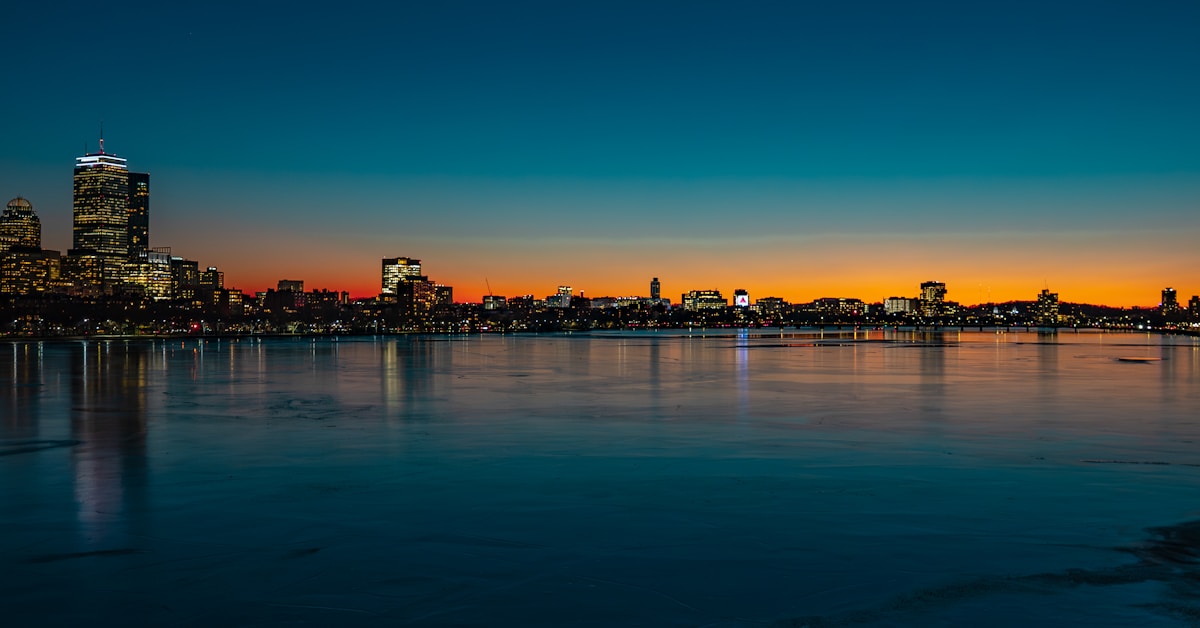
Two of America’s oldest cities, separated by 300 miles and a Dunkin Donuts vs. cheesesteak cultural divide. Boston is the university city that takes itself seriously - birthplace of the American Revolution, home to Harvard and MIT, and proud of its sports teams to a level that requires both acknowledgement and caution. Philadelphia is grittier, more unpredictable, and home to one of the most underrated food cultures in the country.
Quick Verdict
| Category | Boston | Philadelphia |
|---|---|---|
| Colonial history | Exceptional (Freedom Trail, Bunker Hill) | Exceptional (Independence Hall, Liberty Bell) |
| Hotel costs | $250–380/night (mid-range) | $180–270/night (mid-range) |
| Food scene | Strong seafood, solid fine dining | Outstanding (Reading Terminal Market, BYOB culture) |
| Walkability | Very good (irregular streets, hills) | Excellent (flat grid layout) |
| Sports culture | Celtics, Red Sox, Patriots obsession | Eagles, Phillies, passionate crowd |
| Universities | Harvard, MIT, BU, Northeastern | Penn, Temple, Drexel |
| Best for | Elite history, seafood, Ivy League atmosphere | Food culture, authentic neighbourhoods, value |
| Days needed | 3–4 | 3–4 |
Costs
Boston’s hotel market is among the most expensive in the US outside New York and San Francisco. The Colonnade Hotel in Back Bay runs $290–420/night in regular season; the Liberty Hotel - a converted 19th-century jail - runs $350–550. Budget-oriented travellers fare better in Cambridge (across the Charles River) where hotels near Harvard Square run $180–240. Major events - Boston Marathon (third Monday in April), Red Sox home games, graduation season (May) - cause significant rate spikes across the metro.
Search hotels in Boston on Booking.com
Philadelphia is more affordable with better value for location. The Hotel Monaco on 7th and Market (excellent Center City location) runs $180–260; the Loews Philadelphia Hotel in the Beaux-Arts PSFS building runs $200–300. During Penn Relays (late April), Eagles home game weekends, and the Philadelphia Flower Show (March), rates spike 30–50%. The neighbourhood around South Street and the Italian Market offers good independent accommodation options at lower rates.
Search hotels in Philadelphia on Booking.com
Food costs tell the real story. Boston’s Quincy Market clam chowder in a bread bowl runs $15–18 (tourist markup); a lobster roll at Neptune Oyster in the North End runs $35–45 depending on size; a full dinner at Menton in Fort Point runs $120–160/person. In Philadelphia, a proper cheesesteak at Pat’s King of Steaks or Geno’s (the cross-street rivals at 9th and Passyunk) runs $13–17. A dinner for two at any of the excellent BYOB restaurants on East Passyunk - Fond, Brigantessa, Izakaya - runs $70–100 without drinks (you bring your own bottle from the corner store).
History and Sightseeing
Both cities have unassailable historical significance but the character is different.
Boston’s Freedom Trail is a 2.5-mile red-brick path connecting 16 sites: the Massachusetts State House, Paul Revere’s House (North End, $6 adults), Old North Church (donation), the Old South Meeting House, the site of the Boston Massacre, Bunker Hill Monument, and the USS Constitution - the world’s oldest commissioned naval vessel still afloat ($20 for the shipyard museum). The trail can be walked in 3–4 hours or stretched over a full day. The Museum of Fine Arts ($27 adults) is among the top 10 in the country. Harvard Yard in Cambridge ($0, just walk in) is one of America’s most recognisable campuses.
Philadelphia’s Independence National Historical Park is free and remarkable. Independence Hall - where both the Declaration of Independence and the Constitution were debated and signed - has free timed-entry tours. The Liberty Bell ($0) is next door. The National Museum of American Jewish History, the African American Museum in Philadelphia, and the Eastern State Penitentiary (closed 1971, now a haunting museum at $21 adults) round out the historic district. The Philadelphia Museum of Art ($30 adults) - the institution at the top of the Rocky steps - has one of the finest permanent collections in the country. The Barnes Foundation ($35 adults) has an astonishing collection of Renoir, Matisse, and Cézanne assembled by one of the great eccentric collectors of the 20th century.
Food Culture
Philadelphia wins this category without much contest. The Reading Terminal Market at 12th and Arch (open daily 8am–6pm, free entry) is one of the great indoor markets in the world. Beiler’s Donuts (the line is always worth it), DiNic’s Roast Pork ($13–15) - named the best sandwich in America by Food Network - Pennsylvania Dutch soft pretzels, and the Bassetts Ice Cream stall (in continuous operation since 1893) all compete for your time and money in one building.
The Italian Market on 9th Street is America’s oldest working outdoor market, anchored by DiBruno Bros. (cheese and charcuterie) and surrounded by cheesesteak shops, Vietnamese restaurants, and Mexican grocers. BYOB restaurant culture in Philadelphia is unique nationally - many excellent restaurants don’t have liquor licences by choice, which keeps prices down and makes dinner genuinely affordable.
Boston has exceptional seafood. Neptune Oyster in the North End is tiny (24 seats) and worth waiting for; Island Creek Oyster Bar in Kenmore Square is excellent and more accessible; Row 34 in Fort Point has a strong raw bar and craft beer selection. Chinatown (Beach Street area) has reliable pho and dim sum. Boston’s food scene is strong but more conventional than Philadelphia’s - less BYOB culture, less street food intensity.
Walking and Neighbourhoods
Boston divides naturally into walkable clusters:
- The North End (Italian neighbourhood, Paul Revere House, Hanover Street pastry shops like Mike’s Pastry)
- Beacon Hill (Federal-style rowhouses, Acorn Street, Charles Street antique shops)
- Back Bay (Newbury Street shopping, Commonwealth Avenue brownstones, Copley Square)
- Cambridge (Harvard Square, MIT, Kendall Square tech corridor)
Philadelphia is arguably the most walkable major American city. Center City’s grid makes navigation easy, and the major areas connect cleanly:
- Old City (Independence Hall, Elfreth’s Alley - America’s oldest continuously inhabited street)
- Society Hill (Georgian rowhouses, Head House Square)
- Rittenhouse Square (Philadelphia’s Central Park equivalent, surrounded by good restaurants)
- South Philadelphia (Italian Market, Passyunk Avenue restaurant row, Pat’s and Geno’s)
- Fishtown (gentrified working-class neighbourhood with excellent bars and coffee shops)
Getting Around
Boston’s MBTA (“the T”) covers the city well, though the Green Line is famously unreliable. The Red Line connects South Station, Downtown Crossing, Park Street, Charles/MGH (Beacon Hill), and Harvard Square in Cambridge efficiently. Airport (Logan) to downtown is via the Silver Line (free from Logan, 25 minutes to South Station) or Blue Line connection ($2.40).
Philadelphia’s SEPTA runs more extensive coverage. Market-Frankford Line (the El) runs east–west through Center City; the Broad Street Line runs north–south. Airport to Center City is 25 minutes on the Airport Line ($7 one-way). Philadelphia is also more bike-friendly than Boston - the dedicated lanes on Spruce and Pine Streets connecting Center City to South Philadelphia are genuinely usable.
The Verdict
Boston wins for the Harvard-Cambridge atmosphere, the best urban seafood scene on the East Coast, and the density of elite cultural institutions (MFA, Isabella Stewart Gardner Museum). The Freedom Trail delivers American history in a compact, walkable format.
Philadelphia wins for food culture - the Reading Terminal Market and Passyunk BYOB scene are unmatched. It’s more affordable, more walkable due to the grid, and has an underappreciated museum collection. For food-first travellers or anyone on a tighter budget, Philadelphia consistently over-delivers.
These cities are 1 hour apart by Amtrak Northeast Regional ($35–60) or 1 hour 15 minutes on the Acela ($80–120). A 4-day trip covering both is entirely feasible and gives a strong East Coast history overview. See the Boston vs New York comparison and Washington DC vs New York comparison to plan a wider Northeast loop.
More City Guides and Comparisons
- Boston travel guide
- Philadelphia travel guide
- Boston vs New York comparison
- Washington DC vs New York comparison
Plan Your Trip
✈️ Book your flights to the USA 🛡️ Get travel insurance 📱 Stay connected with an eSIM 🚗 Rent a car