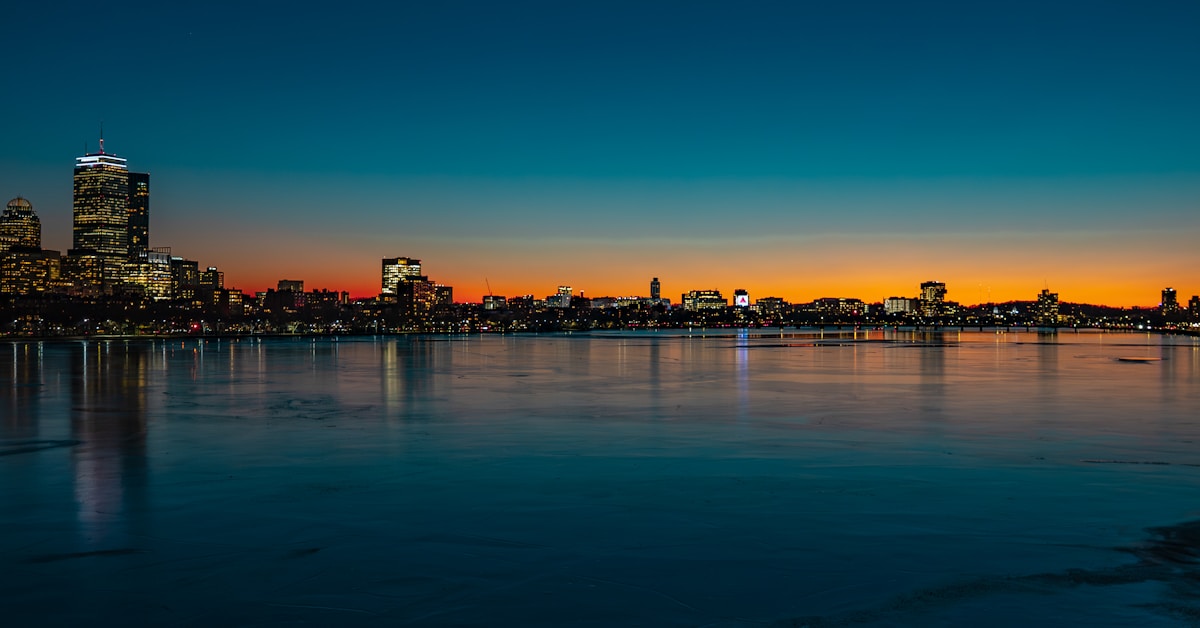
Washington DC is genuinely one of the most visitor-friendly capital cities in the world when it comes to the core experience: the Smithsonian, the National Mall, the monuments, the Capitol - nearly all of it is free. Where DC costs money is in accommodation and restaurants, both of which run notably high. This guide gives you the real 2026 numbers across every spending category.
The Key Numbers at a Glance
All figures per person per day, assuming two people sharing accommodation:
| Tier | Daily spend | Per week (2 people) |
|---|---|---|
| Budget | $100–135 | $1,400–1,890 |
| Mid-range | $250–320 | $3,500–4,480 |
| Comfortable | $440–570 | $6,160–7,980 |
| Splurge | $720+ | $10,080+ |
These exclude flights. Ronald Reagan National (DCA) is the most convenient airport for downtown, with Metro access directly to the city. Dulles (IAD) and Baltimore/Washington (BWI) offer cheaper fares on average but require additional transit time and cost.
Accommodation Costs in Washington DC
DC’s hotel market is highly seasonal, shaped by political calendars, spring break tourism, and major government events. The city’s 14.5% hotel tax is among the highest in the US - add it to every nightly rate you see advertised.
Budget options:
- Hostel dorm (HI Washington DC, local hostels in Columbia Heights): $45–70/night per person
- Budget private room (Columbia Heights, H Street NE, Congress Heights): $100–160/night
- Budget chain hotel (Travelodge, ibis, Red Roof): $120–195/night before tax
Mid-range hotels:
- 3-star hotel (Logan Circle, Capitol Hill, Penn Quarter): $185–305/night before tax
- After DC’s 14.5% hotel tax: add $27–44 per night
- A reliable mid-range Penn Quarter hotel in spring: $250–360 all-in is typical
- Marriott, Hilton, and IHG mid-tier properties near the Convention Center: $210–340 before tax
Upper-mid and luxury:
- 4-star hotel (Dupont Circle, Georgetown, Downtown): $320–520/night before tax
- Boutique hotels (Logan Circle, 14th Street NW): $260–420/night
- Luxury (The Hay-Adams, Mandarin Oriental, Four Seasons Georgetown): $550–1,400+/night
Cost-saving angle: The Maryland suburbs - Silver Spring, Bethesda, College Park - offer Marriott, Hilton, and Hyatt properties at 20–35% below equivalent DC rates, all connected by the Metro’s Red or Green lines in 20–35 minutes. Avoid hotel areas within a few blocks of the Convention Center during major trade shows, when rates spike 40–60%.
Food Costs in Washington DC
Washington DC’s food scene has transformed dramatically over the past decade, moving well beyond lobbyist steak houses to a diverse and genuinely excellent restaurant landscape. The city’s Ethiopian food scene (concentrated in the U Street and Adams Morgan neighbourhoods) is among the best in the United States, and the market halls and food halls offer good-value meals in central locations.
Budget eating:
- Ethiopian combination plate (Zenebech Injera, Dukem, Habesha): $14–22 per person - exceptional value for the quality
- Half-smoke at Ben’s Chili Bowl (U Street NW): $8–14 - a genuine DC institution
- Lunch at Eastern Market food stalls (Capitol Hill, Saturday mornings): $10–18
- Chinatown dim sum or Vietnamese in Eden Center (Falls Church, 20 min by Metro): $15–25 per person
- Food hall lunch (Union Market, Milk Bar, District Wharf): $14–24
Mid-range restaurants:
- Dinner at a mid-range restaurant in Dupont Circle or 14th Street NW: $35–60 per person
- Seafood dinner along the Wharf or at Fiola Mare: $50–90 per person
- Brunch in Georgetown or Capitol Hill: $25–45 per person
- Add 18–20% tip and 10% DC meals tax on all restaurant bills
Fine dining:
- Tasting menu at Minibar or The Inn at Little Washington (most celebrated DC restaurants): $250–400+ per person
- Jose Andres restaurant row (Jaleo, Oyamel, Zaytinya) mid-range fine dining: $60–120 per person
Realistic daily food budget:
- Tight: $30–50 (Ben’s Chili Bowl, Ethiopian lunch, grocery dinner)
- Comfortable: $70–115 (two sit-down meals with drinks)
- Generous: $150–260 (restaurant dinner nightly, proper lunches)
Getting Around Washington DC
Washington’s Metro is one of the cleanest and most efficient transit systems in the US, covering all major tourist areas thoroughly. For most visitors, the Metro plus walking is all that’s needed.
-
Metro single ride (SmarTrip card): $2.25–6.00 depending on distance and peak/off-peak timing (peak: Mon–Fri 5–9:30am and 3–7pm)
-
Metro 1-day pass: $13 - unlimited rides for the calendar day
-
Metro 7-day pass: $38 - best value for a full week
-
Airport connections: Metro Red Line connects Union Station to downtown; Blue/Yellow Line from Reagan National (DCA) to Pentagon City in 5 minutes, downtown in 15–20 minutes. DCA to downtown is around $2.25–3.00.
-
DC Circulator bus: $1 per ride flat - covers the National Mall, Georgetown, and several other tourist corridors
-
Rideshares: $12–25 for most downtown trips before tip; Pennsylvania Avenue and the Mall corridors are walkable from most hotels
-
Cycling: Capital Bikeshare runs $1 to unlock + $0.05/minute or $8/day unlimited - excellent for the flat National Mall circuit and the Georgetown Waterfront trail
The National Mall itself is 1.9 miles from the Capitol to the Lincoln Memorial - easily walkable and the best way to see the monuments at your own pace. Allow a full day if you want to see the monuments and the free museums on both sides of the Mall.
Attractions and Activities
Washington DC is simply extraordinary value for cultural tourism. The concentration of world-class free museums and historic sites means the primary attractions cost nothing - paid experiences are almost all supplemental.
Free in Washington DC:
- All 19 Smithsonian museums and galleries, including:
- National Air and Space Museum (see the original Wright Brothers Flyer and Apollo 11 capsule)
- National Museum of Natural History (Hope Diamond, dinosaur halls)
- National Museum of African American History and Culture (advance timed-entry passes recommended)
- National Museum of American History
- National Zoo (Smithsonian-operated, free entry)
- National Gallery of Art (East and West Buildings, world-class collection)
- US Holocaust Memorial Museum (free; timed passes recommended in peak season)
- Library of Congress (tours free; original Declaration of Independence is not held here - that’s the Archives)
- National Archives (Declaration of Independence, Constitution, Bill of Rights) - free entry
- US Capitol grounds (free to walk); Capitol building tours (free but require advance booking through your congressional representative’s office)
- The White House (exterior views from Pennsylvania Ave; interior tours require advance arrangement through your congressional representative)
- All monuments: Lincoln, Vietnam Veterans, Korean War, WWII, FDR, Jefferson, Martin Luther King Jr.
- Arlington National Cemetery: free to enter; Changing of the Guard at the Tomb of the Unknown Soldier runs on the hour
Paid experiences:
- Washington Monument timed entry: $1 booking fee (monument itself is free via advance reservation)
- Old Town Trolley Tours (DC monuments circuit): $45–58 per adult
- National Cathedral: $12–18 per adult (free for worship services)
- International Spy Museum (Penn Quarter): $25–28 per adult
- Kennedy Center for the Performing Arts performances: $15–150+ depending on event; free Millennium Stage performances run daily at 6pm
Sample Trip Budgets
Budget trip (5 days, 2 people)
| Item | Cost |
|---|---|
| Budget hotel Capitol Hill (5 nights × $190 all-in) | $950 |
| Food (5 days × $40 × 2) | $400 |
| Transport (Metro 7-day passes × 2) | $76 |
| Activities (Spy Museum + Kennedy Center) | $100 |
| Miscellaneous | $90 |
| Total (2 people, 5 days) | ~$1,616 |
Mid-range trip (5 days, 2 people)
| Item | Cost |
|---|---|
| 3-star hotel Dupont Circle (5 nights × $310 all-in) | $1,550 |
| Food (5 days × $85 × 2) | $850 |
| Transport (Metro passes + Circulator) | $90 |
| Activities (trolley tour + Kennedy Center + Capitol tour) | $280 |
| Miscellaneous | $200 |
| Total (2 people, 5 days) | ~$2,970 |
Comfortable trip (5 days, 2 people)
| Item | Cost |
|---|---|
| 4-star hotel Georgetown (5 nights × $500 all-in) | $2,500 |
| Food (5 days × $145 × 2) | $1,450 |
| Transport (rideshares + Metro) | $180 |
| Activities (Kennedy Center + day trip to Mount Vernon) | $450 |
| Miscellaneous | $250 |
| Total (2 people, 5 days) | ~$4,830 |
When to Visit to Save Money
Most expensive: March and April - cherry blossom season transforms the Tidal Basin and the city fills with domestic tourists. Hotel prices during peak cherry blossom weeks (typically late March to mid-April) can run 40–70% above the surrounding weeks. Spring break season (March–April) compounds this.
Best value: August and January. August is hot and humid (90°F with high humidity is common) and Congress is in recess, reducing the business travel segment - hotels drop noticeably. January is cold but quiet, with the lowest hotel rates of the year outside of Inauguration years (January 2025 was a dramatic exception).
Shoulder sweet spots: Late September through November is excellent. Temperatures are mild, fall foliage appears along Rock Creek Park and the National Mall, and hotel prices are reasonable. The city empties somewhat after the summer peak and before the holiday travel surge.
Tips to Cut Costs
- Book the NMAAHC timed passes early: The National Museum of African American History and Culture uses timed-entry passes - book them free on recreation.gov before your trip, not the morning you arrive. Peak season passes go within hours of release.
- Free Millennium Stage performances at the Kennedy Center: Every single evening at 6pm, the Kennedy Center runs free performances ranging from jazz to orchestral to dance. World-class performance at zero cost.
- Take the Metro to Old Town Alexandria: Old Town is a beautifully preserved colonial waterfront town 15 minutes from downtown on the Blue/Yellow line - completely free to explore, with excellent restaurants and shops.
- Eat Ethiopian in the U Street Corridor: DC’s Ethiopian restaurant scene around U Street and Columbia Road is among the best in the US. A full injera spread for two at Zenebech Injera or Habesha runs $25–40 - extraordinary value.
- Day trip to Mount Vernon: George Washington’s estate is 16 miles south of the city. A river cruise from the waterfront to Mount Vernon runs $50–70 per adult including entry, or drive for significantly less.
For a direct comparison with New York, see our Washington DC vs New York guide. The Washington DC city guide covers neighbourhoods, transit, and logistics in full detail. For where to stay, our best hotels in Washington DC breaks down accommodation by area and price, and our things to do in Washington DC covers both the free monuments and the best paid experiences.
Plan Your Trip
✈️ Book your flights to the USA 🛡️ Get travel insurance 📱 Stay connected with an eSIM 🚗 Rent a car