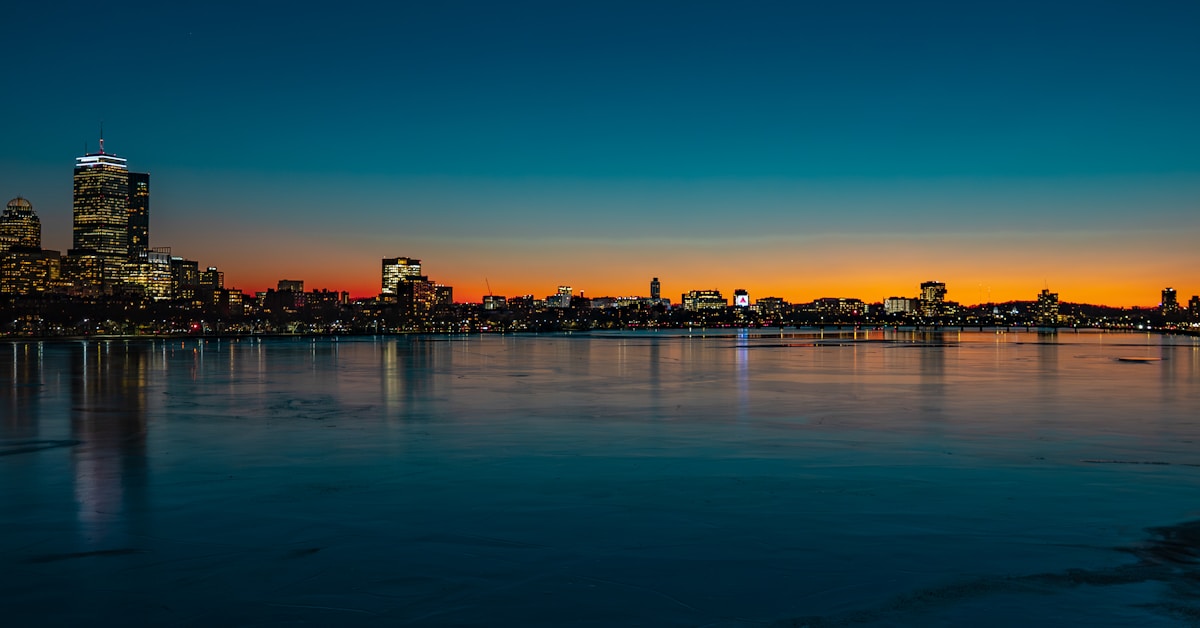
Washington DC gives visitors more for free than almost any other major city in the world. Most of the Smithsonian museums, the monuments, the National Gallery, the Library of Congress, and the US Botanic Garden all cost nothing to enter. The planning challenge is mostly sequencing-deciding which museums to prioritise, booking timed entry passes well in advance for the National Museum of African American History and Culture and the Washington Monument, and building in enough walking time across the Mall.
The National Mall on Foot
The Mall runs 1.9 miles from the Capitol steps to the Lincoln Memorial. Walking the full length and back with stops at the main monuments takes most of a full day. Start at the Lincoln Memorial in the morning (open 24/7; rangers present 9:30am–10pm) before the midday crowds arrive, then move east along the Reflecting Pool to the World War II Memorial, then to the Washington Monument.
Washington Monument - Timed entry passes are required and free; book at recreation.gov. The monument is open daily 9am–5pm (last entry 4:30pm). The elevator to the 500-foot observation level takes approximately 70 seconds; views extend across the Mall in both directions. Book as early as possible-passes for peak season release 30 days in advance and go quickly.
Vietnam Veterans Memorial - Open 24/7. The sunken black granite wall listing 58,000+ names works at any time, but early morning or dusk avoids the midday crowd.
Martin Luther King Jr. Memorial - Open 24/7 on the Tidal Basin. The inscription “Out of the Mountain of Despair, a Stone of Hope” is carved into the granite Stone of Hope. Best visited alongside the Jefferson Memorial (also on the Tidal Basin, free, open 24/7).
Smithsonian Museums: What to Prioritise
All are free; all are open daily 10am–5:30pm unless noted.
National Museum of African American History and Culture (1400 Constitution Ave NW) - The most important museum on the Mall and the hardest to get into. Timed passes required; book weeks ahead at recreation.gov. Allow a minimum of 3–4 hours; most visitors find it needs a full day. The lower floors covering slavery and the Civil Rights movement are dense with primary source material.
National Air and Space Museum (6th St and Independence Ave SW) - The original Wright Flyer and the Apollo 11 command module are the headline objects. The most-visited museum in the world by attendance in some years. Crowds peak 11am–3pm; go at opening or in the last hour before closing.
National Museum of Natural History (10th St and Constitution Ave NW) - The Hope Diamond (45.52 carats) is the obvious draw, but the Ocean Hall and the Human Origins exhibit are the more substantive experiences. Free.
National Gallery of Art (3rd to 9th Streets, Constitution Ave NW) - Not a Smithsonian institution but also free. The West Building covers European masters from the 13th through 19th centuries-Vermeer, Rembrandt, Raphael, El Greco. The East Building holds the modern collection including a large Alexander Calder mobile in the atrium. Connected by a free tram through the underground passage. Open daily 10am–5pm.
National Portrait Gallery / American Art Museum (8th and F Streets NW, Penn Quarter) - Shared building; one admission covers both. The Presidential Portrait Gallery holds the official portraits of all US presidents including the Obama portraits by Kehinde Wiley and Amy Sherald. Open daily 11:30am–7pm. Free.
Capitol Hill
US Capitol - Free tours must be booked through your congressional representative’s office or at visitthecapitol.gov. The Capitol Visitor Center (under the East Plaza) is open Monday–Saturday 8:30am–4:30pm and houses exhibitions about the history of Congress. Security queues can run 30–45 minutes; allow time.
Library of Congress Thomas Jefferson Building (101 Independence Ave SE) - Free; open Monday–Saturday 8:30am–4:30pm. The Great Hall is one of the most architecturally elaborate interiors in the US. The Main Reading Room (visible from the gallery above) is where researchers work; the public exhibition areas and the Gutenberg Bible display are on the ground floor.
US Supreme Court (1 First Street NE) - Free; open to the public Monday–Friday when court is not in session. The courtroom itself can be viewed during argument sessions (public gallery seating on a first-come basis, arrive early). Lectures on the history of the court are given on the half-hour 9:30am–3:30pm.
Georgetown
Georgetown predates the city of Washington and has a distinct character-red-brick Federal-period townhouses, cobblestoned streets, and a commercial strip on Wisconsin Avenue and M Street. There is no Metro station; take a bus from Foggy Bottom–GWU station or walk approximately 20 minutes.
Dumbarton Oaks (1703 32nd St NW) - Formal gardens and a Byzantine art collection in an 18th-century Georgetown mansion. Gardens open Tuesday–Sunday 2–6pm (March–October); entry approximately $12 as of 2026. Museum free (Tuesday–Sunday 11:30am–5:30pm). The gardens in spring (late March through May) are exceptional.
Georgetown Waterfront Park - Free; access at the south end of Wisconsin Avenue. Kayak and paddleboard rentals available seasonally from approximately $25/hour as of 2026. Views of the Potomac and Roosevelt Island.
Beyond the Mall
US National Arboretum (3501 New York Ave NE) - 446 acres of specialised gardens. Free entry; open daily 8am–5pm (grounds). Best visited in spring for the azalea collection (typically April–May) or in autumn for foliage. Remote from the Metro; easiest by car or rideshare.
Arlington National Cemetery (Arlington, Virginia - across Memorial Bridge) - Free; open daily 8am–5pm (7pm in summer). The Tomb of the Unknown Soldier is guarded continuously; the Changing of the Guard ceremony runs every 30 minutes in summer, every hour in winter. Robert E. Lee’s house (Arlington House) is on the grounds and free to enter.
9:30 Club (815 V St NW, U Street) - Washington’s most respected mid-size music venue. Tickets approximately $20–$60 depending on the act as of 2026. Check the schedule at 930.com and book ahead.
Day Trips
Annapolis, Maryland - The state capital and a historic sailing city; approximately 1 hour by bus or car. The Maryland State House (1772) is the oldest state capitol still in legislative use. Free entry; open daily.
Mount Vernon (3200 Mount Vernon Memorial Hwy, Virginia) - George Washington’s plantation on the Potomac, approximately 45 minutes south by car or bus. Entry approximately $30 per adult as of 2026; open daily 9am–5pm (November–February) and 8am–5pm (March–October).
Harpers Ferry, West Virginia - approximately 90 minutes by MARC train ($20 roundtrip as of 2026) or Marc/Amtrak combination. National Historical Park with the site of John Brown’s 1859 raid; entry approximately $20 per vehicle as of 2026 or $15 per person on foot/bike.
Practical Tips
- The Mall Metro stations (Smithsonian, L’Enfant Plaza, Federal Triangle) can get congested on busy days; walking between museums is often faster.
- Most free passes for in-demand sites (NMAAHC, Washington Monument) release on a rolling 30-day schedule; check recreation.gov the moment your travel dates are set.
- Flat shoes are essential-the Mall is 1.9 miles and most sightseeing involves additional walking between sites.
- Taxis and rideshares are available across the city; Uber and Lyft coverage is good even late at night.
Guided Tours Worth Booking in Advance
| Tour | Duration | From | Book |
|---|---|---|---|
| DC: Half-Day City Tour with 10+ Stops | 3.5–4 hrs | $35 | Book |
| DC: Monuments by Moonlight Nighttime Trolley Tour | 2.5 hrs | $55 | Book |
| DC: Guided Vintage E-Cart Monuments & History Day/Night Tour | 2 hrs | $55 | Book |
Browse all Washington DC tours and activities on GetYourGuide - free cancellation on most bookings up to 24 hours before departure.