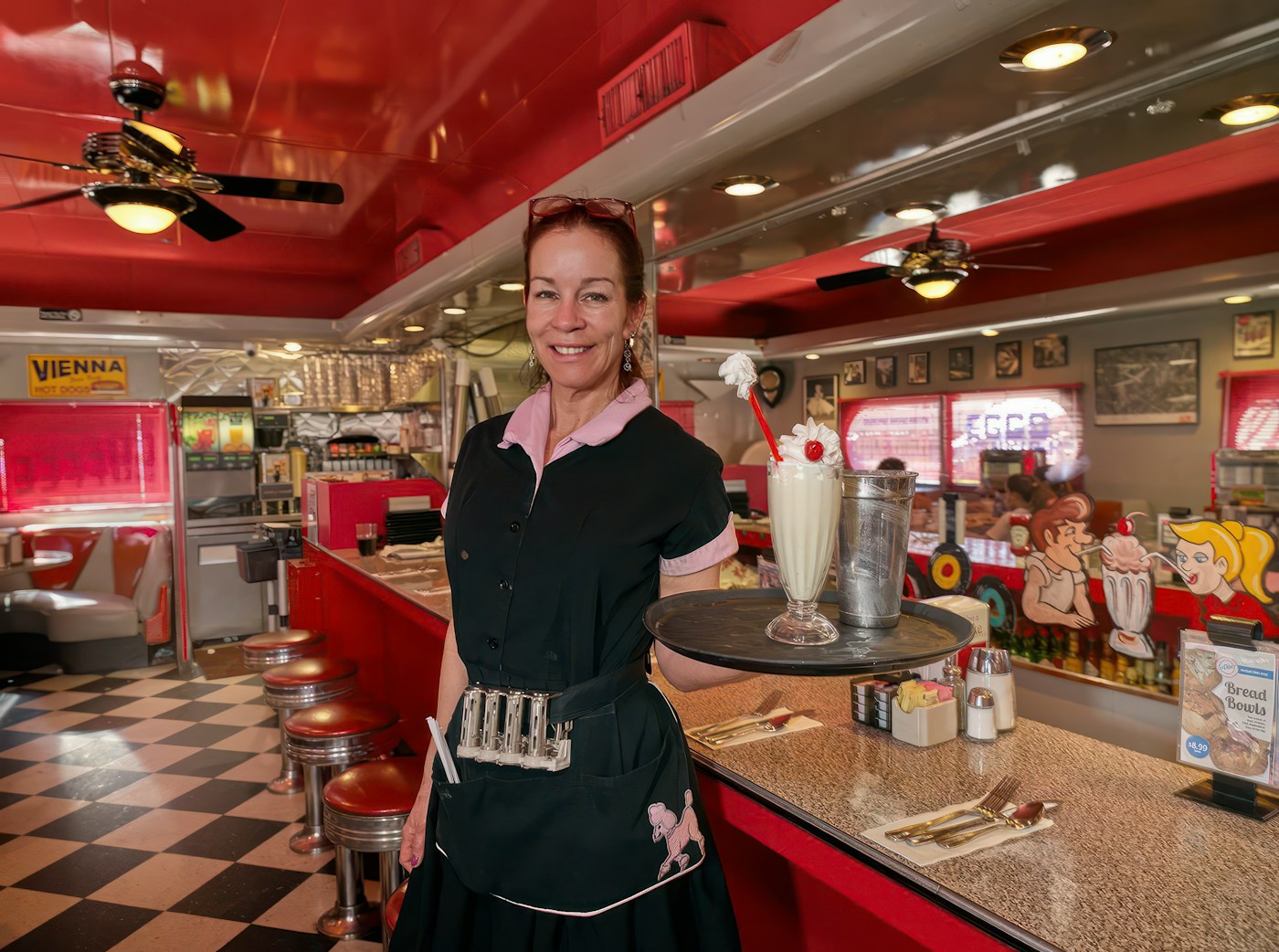
Tipping in the USA is not optional at sit-down restaurants - it’s built into the pay structure of the service industry. For visitors from countries where service charges are included in prices, or where tipping is uncommon, the American system can feel confusing. Here’s exactly how it works.
Why Americans Tip
American tipped workers - restaurant servers, bartenders, valets, hotel housekeeping - earn a separate “tipped minimum wage” that is far below the regular minimum wage. Federally, that rate is $2.13 per hour as of 2026. Individual states set higher floors (California mandates full minimum wage before tips, for example), but the federal baseline means a server’s entire living wage depends on tips. When you don’t tip, you are effectively not paying for the service you received.
Restaurants
15–20% is the standard range. Calculate on the pre-tax subtotal shown on your bill - you don’t owe tax on a tip.
- 15%: Adequate service, or when something went noticeably wrong
- 18–20%: Standard for good service - this is the norm
- 20–25%: Excellent service, complex orders, large group, or a restaurant where staff spend real time at your table
A quick mental calculation: move the decimal one place left to get 10%, then add half again for 15%, or double it for 20%.
Large groups: Many restaurants automatically add an 18% gratuity for parties of 6 or more. Check the bill - it will say “gratuity included” or “service charge.” Don’t double-tip.
Takeout from a sit-down restaurant: 10–15% is appreciated. Staff still package, label, and assemble your order.
Fast food and counter service: No tip expected. You order at the counter, collect your own food, and clean up yourself. These workers earn regular minimum wage, not a tipped rate.
Bars and Coffee Shops
Bars: $1–2 per drink, or 15–20% on a tab. Bartenders maintain your tab, remember your order, and keep your glass filled - tip accordingly.
Coffee shops with tip jars: Entirely optional. A dollar on a simple coffee order is generous. A specialty drink requiring multiple steps? $1–2 is appropriate. The tip screen at Starbucks and independent cafés is a suggestion, not an obligation.
Hotels
Hotel tipping involves multiple staff members, each tipped separately and usually in cash.
- Housekeeping: $2–5 per night, left on the pillow or nightstand with a note that says “for housekeeping.” Leave it daily, not at checkout - the person who cleans your room may change each day.
- Bellhop / porter: $1–2 per bag, $5 minimum if they carry several items or show you around the room.
- Concierge: $5–20 for a restaurant reservation or complex arrangement. Nothing for a quick directions question.
- Valet parking: $2–5 when the car is returned to you. Some guests tip on drop-off as well, though it’s not required.
- Room service: Check the bill first. Many hotels already add a service charge of 18–20%. If they do, an extra $2–3 is optional but not expected. If there’s no charge, tip 15–20%.
Taxis and Rideshares
Taxis: 15–20% of the fare. Drivers in major cities deal with traffic, know shortcuts, and handle luggage.
Uber / Lyft: 15–20%, tipped through the app after the ride. The app prompts you automatically. There’s no obligation to tip immediately - you have up to 30 days. A driver who helps with bags, navigates efficiently, or maintains a clean car deserves the higher end.
Personal Services
- Hair salons and barbers: 15–20% of the service cost. If the owner cuts your hair, tipping is still expected in most cases.
- Spa and massage: 15–20%, though many spas include a suggested gratuity line on the bill.
- Nail salons: 15–20%. Tip in cash when possible - cash tips are more reliably received by the technician.
- Delivery drivers: $2–5 for food delivery, more during bad weather or for large orders. Many delivery apps add a suggested tip at checkout - this goes directly to the driver.
- Movers: $20–50 per mover for a local move, $50–100 for a full-day job. Give cash directly to each person.
The Tip Screen Phenomenon
Tablet payment systems (Square, Toast, Clover) now appear almost everywhere - coffee shops, food trucks, ice cream counters, bakeries. These devices display three preset tip options, often 20%, 25%, and 30%, before you can complete payment.
You are not obligated to choose one of these presets. Press “Custom Amount” and enter $0, or look for a “No Tip” button. Neither choice triggers any consequence. Counter staff cannot see your selection in real time in most systems. The presets exist because merchants can configure them; they are not a social contract.
At full-service restaurants, a tip is genuinely expected. At counters where you order and collect your own food, it is not.
Cash vs. Credit Card Tips
Credit card tips at restaurants: you write the amount on the paper slip and sign, or enter it on the card terminal. The tip is processed overnight and added to your card charge. This is the most common method.
Cash tips are sometimes preferred, particularly for hotel housekeeping, spa staff, and food delivery, because they bypass the restaurant’s internal tip-pooling system and reach the individual directly. Some workers report faster, more reliable receipt of cash tips.
Tax note: All tips - cash and card - are taxable income in the USA. Service workers are required to report them. This doesn’t affect you as the tipper, but it’s worth knowing that tipped workers don’t pocket tips tax-free.
When NOT to Tip
- Fast food counters (McDonald’s, Chipotle counter service, food court stalls)
- Retail store staff
- Self-service checkout
- Gas station attendants (except in New Jersey and Oregon, where full service is standard - $1–2 is appropriate there)
- Airline staff (they receive tips through their union contracts, not from passengers)
Internal Links
For more on navigating American food culture, see our guide to American diners, where tipping at a classic diner follows the same 15–20% rule. Our first-time visitor guide covers other social norms and practical expectations for arriving in the USA, and our food cities guide is useful for understanding where you’ll be eating - and tipping - most.
Food tours are one of the best ways to eat well without researching every neighbourhood from scratch - browse guided food tours and culinary experiences across the USA.
Plan Your Trip
✈️ Book your flights to the USA 🛡️ Get travel insurance 📱 Stay connected with an eSIM 🚗 Rent a car
Ready to Plan Your Trip?
Here are our top itineraries to help you plan your USA visit:
- One Week in the USA: New York, Washington DC and Chicago - Three iconic cities in seven days
- East Coast USA 10-Day Itinerary: NYC, DC, Philadelphia & Boston - The full East Coast circuit
- 10 Days on the West Coast: LA, San Francisco and Beyond - Pacific Coast highlights