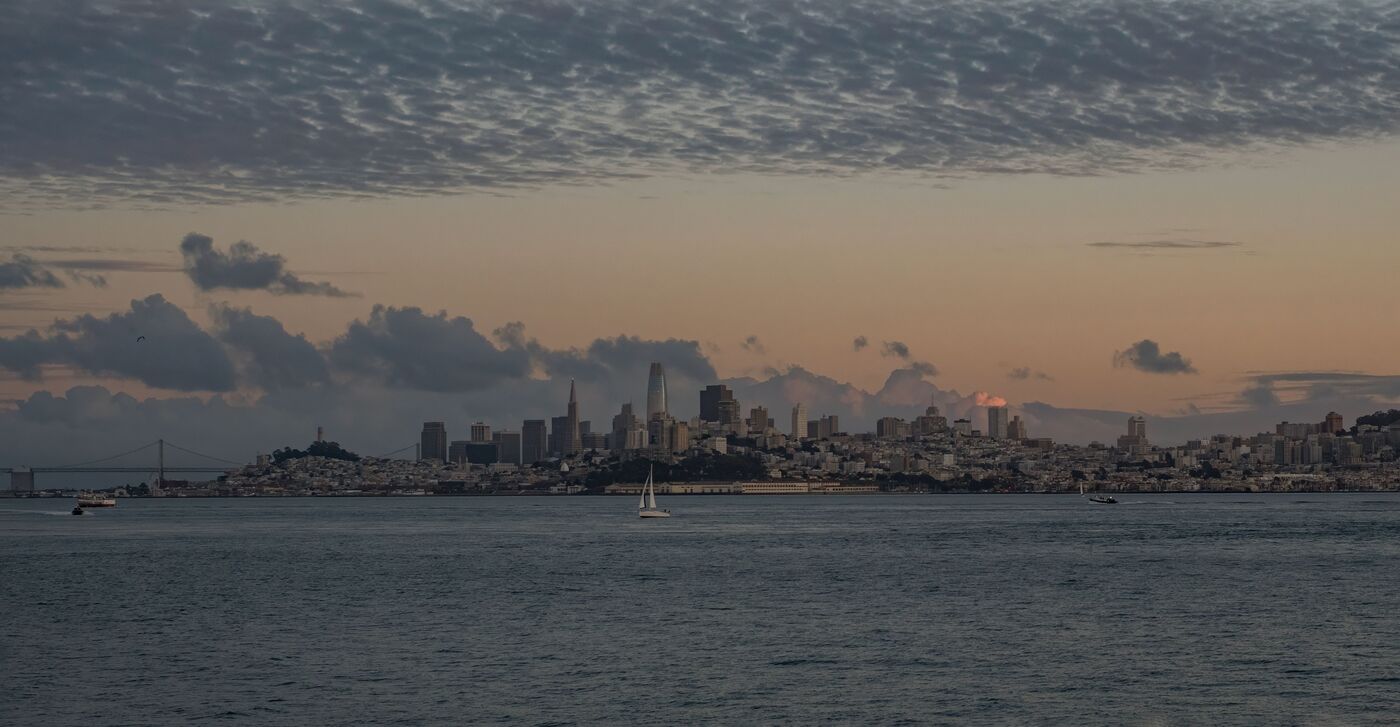
San Diego and San Francisco are both iconic California cities on the Pacific coast, separated by 500 miles and fundamentally different personalities. San Diego is relaxed, sunny, and beach-focused - a place where the outdoor lifestyle isn’t aspirational, it’s just Tuesday. San Francisco is dense, intellectually charged, and defined by the hills, the bay, and the tech economy that has shaped it so completely. Both are outstanding cities. The question is which one fits your trip.
Quick Verdict
| Category | San Diego | San Francisco |
|---|---|---|
| Hotel cost (mid-range all-in) | $180–280/night | $280–400/night |
| Overall daily budget | $100–280 | $150–400 |
| Weather | Consistently 65–75°F year-round | Cool, foggy summers; mild winters |
| Beaches | World-class (Coronado, PB, La Jolla) | Cold water, fog, not a beach city |
| Tech scene | Growing (biotech, cyber, defence) | Global hub (Silicon Valley adjacent) |
| Family friendliness | Exceptional (Zoo, beaches, parks) | Strong but more complex logistics |
| Getting around | Car/Uber + trolley | BART + Muni (good public transit) |
| Best for | Sun, beaches, relaxed California | Culture, food, urban density, tech |
| Days needed | 3–4 | 4–5 |
Weather: The Clearest Difference
San Diego has the most consistently pleasant weather of any major US city. Year-round temperatures range from 65–75°F (18–24°C). Coastal neighbourhoods like La Jolla, Pacific Beach, and Coronado rarely see temperatures below 55°F or above 82°F. There is no real bad season - the sky is blue roughly 266 days per year, and even winter days are mild and sunny. July through September is peak beach season with warm dry air and Pacific swells; December through February is slightly cooler but still eminently comfortable.
San Francisco’s climate is more complicated. The city’s famous fog - driven by the cold California Current and the marine layer - is most pronounced in summer, particularly from late May through mid-July. “June Gloom” is real: mornings can be grey and cold (55–60°F) along the coast and in the Sunset district even in July, while the inland East Bay bakes at 90°F. Afternoon fog burns off in many neighbourhoods by midday. San Francisco’s clearest, sunniest weather is from September through November - often the best time to visit by weather alone. Winter is mild (45–58°F) and frequently clear, though rainy periods occur from December through March.
For travellers who want guaranteed sunshine: San Diego every time. For those who don’t mind variability and find the fog atmospheric, San Francisco in September or October is genuinely beautiful.
Beaches
San Diego has legitimate world-class beaches accessible from the city centre.
Coronado Beach is the headline: a 1.5-mile stretch of fine white sand, calm water warmed to 68–72°F in summer, and the historic Hotel del Coronado (built 1888, rooms from $350/night, beach access open to the public) as backdrop. Access via the Coronado Ferry from the Broadway Pier ($5.75 each way) or across the dramatic Coronado Bridge. Consistently ranked among America’s finest urban beaches.
Pacific Beach and Mission Beach are the surf culture heartland - a 3-mile paved boardwalk, beach bars, volleyball courts, and surf rentals ($20–35/hour for a board and wetsuit). The water runs 65–70°F in summer, manageable with a shorty wetsuit.
La Jolla Cove is a small sheltered beach with exceptional snorkelling among leopard sharks (harmless), garibaldi fish, and sea lions. No equipment rental needed to see the leopard sharks at 10–12 feet depth in the cove. The cliffs above La Jolla Village offer some of the best coastal views in Southern California.
San Francisco’s beaches exist and are scenic, but they serve a different purpose. Baker Beach at the foot of the Presidio has striking views of the Golden Gate Bridge and is excellent for a windswept walk. Ocean Beach is a long stretch of Pacific coastline - beautiful in a moody way, but the water is 55–60°F year-round (swimsuit temperature: never), and rip currents make swimming dangerous at most points. These are beaches to watch the ocean from, not to swim at.
Cost
This is the comparison’s starkest difference.
Accommodation:
- San Diego Gaslamp Quarter 3-star: $160–240/night before the combined San Diego hotel tax (~12.5%); $180–280 all-in
- San Diego Little Italy boutique hotel: $150–220/night - often the best-value central option
- San Francisco Union Square 3-star: $200–320/night before San Francisco’s 14% hotel tax; $280–400 all-in
- San Francisco Richmond or Sunset district budget hotel: $140–200/night - 25–35% cheaper, but further from the main sights
The gap is consistent and significant. A comparable-quality hotel room will cost $80–150 more per night in San Francisco. Over five nights, that’s $400–750 extra per person.
Food: San Diego’s great value is its casual food scene. Fish tacos at Tacos El Gordo on Broadway ($4–6 each), the Little Italy Mercato on Saturday mornings ($8–15 for prepared food), and craft beer flights at Ballast Point or AleSmith ($15–25 for a tasting flight) are among the best-value eating experiences in California. Sit-down dinner for two at a Gaslamp or Little Italy restaurant: $70–110 with drinks.
San Francisco’s food is exceptional but expensive. A Mission District burrito at La Taqueria or El Farolito ($11–17) is the best-value eating in the city. A sit-down dinner for two in Hayes Valley or the Mission with drinks: $100–160. Add 8.625% California sales tax and 18–20% tip on every bill.
Our San Francisco trip cost guide has full daily budget breakdowns for all travel styles.
Tech Scene
San Francisco is where the global technology industry lives. The city’s SoMa (South of Market) neighbourhood contains the headquarters of Salesforce, Twitter/X, Airbnb, and dozens of other tech companies. Silicon Valley - the peninsula between San Francisco and San Jose - is a 30–45 minute drive south and home to Apple, Google, Meta, and every major venture capital firm of significance. The intersection of tech money and urban culture has defined San Francisco for the past 20 years, producing exceptional restaurants and coffee shops, some of the best design culture in the world, and housing costs that have reshaped the city’s demographics.
San Diego’s tech scene is smaller but real and growing. The city has the highest concentration of biotech and life science companies on the US West Coast - clustered in Torrey Pines and the Sorrento Valley north of the city. Qualcomm was founded here. The defence technology industry (Navy, Marines, DARPA contractors) adds a significant tech-adjacent employer base. San Diego’s startup ecosystem is less visible than San Francisco’s but genuinely substantial, and digital nomad infrastructure (co-working spaces, high-speed cafes) is strong in North Park, Little Italy, and La Jolla. For our full take, see the San Diego digital nomad guide.
Culture and Attractions
San Francisco packs extraordinary cultural density. The de Young Museum in Golden Gate Park ($18–25, free first Tuesday of the month) is one of the top art museums on the West Coast. SFMOMA in SoMa ($25–30) has a world-class modern art collection. The California Academy of Sciences ($35–45, free first Sunday) has a planetarium, rainforest dome, and aquarium under one living roof. Alcatraz Island ($47–55 including ferry) should be booked 2–3 weeks ahead in summer - the audio tour is genuinely excellent, not just a landmark tick. The Ferry Building Marketplace is free, the best food hall in California, and at its best during the Saturday farmers market.
The Golden Gate Bridge is free to walk or cycle. The Marin Headlands, accessible by a short drive or ferry, have some of the most dramatic coastal scenery in the western US and cost nothing to hike.
San Diego’s cultural centrepiece is Balboa Park - 1,200 acres of Spanish Colonial Revival buildings, 17 museums, botanical gardens, the Old Globe Theatre, and the San Diego Zoo, all adjacent. Museum admission runs $10–25 per institution; the park itself is free to enter. The USS Midway Museum on the Navy Pier ($26/adult) has 29 restored aircraft on the flight deck and is one of the best aircraft carrier museums in the country. Old Town San Diego (free to explore) is the site of California’s first European settlement and has good Mexican restaurants in period buildings.
Getting Around
San Francisco’s public transit - BART (subway) and Muni (buses + streetcar + cable cars) - is one of the better systems among American cities. A 3-day Muni pass costs $36 and covers unlimited rides including cable cars. BART connects SFO airport to downtown Civic Center in 30 minutes for approximately $10. Most major tourist destinations are reachable without a car. Uber and Lyft work well for the gaps - $15–35 per trip across the city.
San Diego’s MTS trolley has three lines but limited coverage. The Blue Line (Gaslamp → Old Town → San Ysidro border crossing) and the Green Line (Mission Valley → Santee) are useful but don’t cover La Jolla, Pacific Beach, or Coronado directly. Most visitors use a combination of the trolley, the Coronado Ferry, and rideshares ($10–20 for most intra-city trips). Car hire is worthwhile in San Diego if you want to visit La Jolla, Torrey Pines State Reserve, or the North County beaches.
Family Friendliness
San Diego is one of the strongest family destinations in the United States. The San Diego Zoo at Balboa Park is one of the best zoos in the world - pandas, gorillas, polar bears, and 3,500 animals across 100 acres of naturalistic habitats. Allow a full day; adult admission is $66, children (3–11) $56. SeaWorld San Diego (admission $90–120; book ahead for discounts) remains a major draw despite controversy. LEGOLAND California in Carlsbad, 30 minutes north by car, is outstanding for ages 2–12 ($100–120 admission; multi-day passes available). Mission Bay is a sheltered inland bay with calm warm water ideal for young children - paddleboat rentals, kayaking, and picnic areas.
San Francisco is a strong family city too - the Exploratorium on the Embarcadero ($30–35/adult) is one of the best hands-on science museums in the US, excellent for curious children. Golden Gate Park has a bison paddock, a carousel, and the Buffalo Paddock (free). But San Francisco’s hills make pushchair logistics difficult, parking adds $30–60/day at most hotels, and the overall cost per family day is substantially higher than San Diego.
Who Should Go Where
Choose San Diego if: consistent sunshine and beach access are priorities; you’re travelling with children; you want excellent California-Mexican food and craft beer at reasonable prices; or you want a city that’s easy to navigate without much planning.
Choose San Francisco if: urban cultural density matters to you; you’re interested in tech industry culture or want to visit Silicon Valley; you care about food at an ambitious level and want to experience the Mission, Hayes Valley, and the Ferry Building farmers market; or you’ve already done San Diego and want a more complex city.
Combining both: San Diego and San Francisco are 500 miles apart - a 7–8 hour drive or a 1.5-hour flight. They don’t combine easily on a single California trip unless you’re driving the whole coast. The more natural pairings are: San Diego with Los Angeles (120 miles, 2 hours - see our San Diego vs LA comparison) and San Francisco with the Napa Valley or Muir Woods as day trips. For the full San Francisco experience, see our San Francisco vs Los Angeles comparison.
Search hotels in San Diego | Search hotels in San Francisco
Browse San Diego tours and activities and San Francisco tours and bay cruises for the best experiences in each city.
Plan Your Trip
✈️ Book your flights to the USA 🛡️ Get travel insurance 📱 Stay connected with an eSIM 🚗 Rent a car