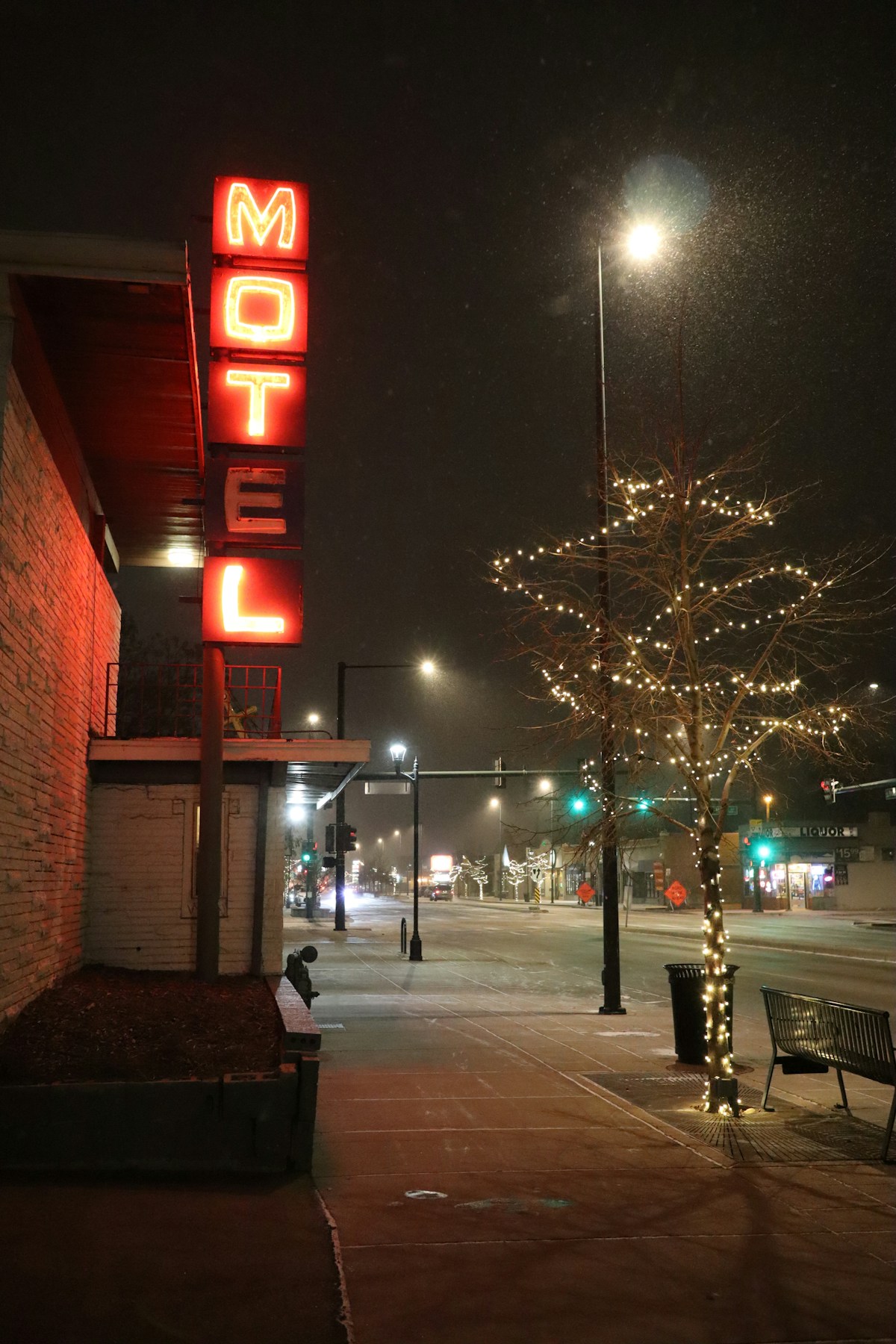
Sleeping in a neon-lit 1930s motor court is not an incidental detail of a Route 66 trip - it is one of the main events. The route’s best motels are small, family-run, lovingly restored, and in the 2026 centennial year, heavily booked. This guide covers the properties worth planning around, west to east booking priorities, and what the rates buy you.
Search hotels in United States on Booking.com
For trip structure see our 14-day itinerary; for total trip math, the cost breakdown. All rates as of 2026. Before you book the motels, compare rental car prices across all major US suppliers - the right car sets the pace for the whole trip.
The big four - book these first
Blue Swallow Motel - Tucumcari, New Mexico. The route’s crown jewel since 1939: hand-restored rooms with period furniture, attached single-car garages, and a neon sign that defines the genre. Approximately $130–160/night; under 14 rooms, so summer 2026 dates vanish months ahead. Book direct at blueswallowmotel.com. Tucumcari itself is the best motel town on the route - walk the strip at dusk.
Wigwam Motel - Holbrook, Arizona. Fifteen concrete tepees from 1950, each with original hickory furniture and a vintage car parked outside. Approximately $90–120/night - possibly the best value novelty sleep in America. The sister property in San Bernardino, California (approximately $120–150) lets you bookend the trip in tepees.
El Rancho Hotel - Gallup, New Mexico. Not a motel but a 1937 movie-star hotel: Bogart, Hepburn, John Wayne, and Reagan all stayed during Western shoots, and rooms carry their names. The two-storey lobby with its stone fireplace is the route’s grandest interior. Approximately $120–150/night, restaurant on site.
La Posada - Winslow, Arizona. The finest sleep on the whole route: a 1929 Fred Harvey railway hotel restored by working artists, with gardens, original art, and the Turquoise Room - the best restaurant for several hundred miles (dinner mains approximately $25–40). Approximately $160–230/night. Worth re-routing a day around.
Strong supporting cast, east to west
- Wagon Wheel Motel - Cuba, Missouri. The oldest continuously operating motel on the route (1936), stone cottages, approximately $95–120
- Munger Moss Motel - Lebanon, Missouri. Run by the same family for decades under a magnificent 1950s sign; approximately $80–100
- Boots Court - Carthage, Missouri. A 1939 streamline-moderne gem where Clark Gable stayed, restored with period radios (and deliberately no TVs); approximately $90–110
- Campbell Hotel - Tulsa, Oklahoma. A 1927 boutique restoration on the route through Tulsa; approximately $120–160
- Roadrunner Lodge - Tucumcari, New Mexico. The Blue Swallow’s neighbour and overflow choice, restored to 1964 spec; approximately $110–140
- El Vado Motel - Albuquerque, New Mexico. A 1937 adobe motor court reborn with a taproom and food-truck plaza; approximately $140–180 - pair with Central Avenue’s neon and our Albuquerque guide
- El Trovatore Motel - Kingman, Arizona. 1939 motor court with a 200-foot mural wall; approximately $85–110
The bookends: Chicago and Los Angeles
The route’s endpoints price like the big cities they are. In Chicago, expect approximately $180–280 for a decent downtown hotel near the “Begin 66” sign; in Los Angeles, Santa Monica runs approximately $250+ - many road-trippers sleep cheaper near the Wigwam in San Bernardino and day-trip to the pier finish.
Booking strategy for the centennial year
- Fix your icon nights first - Blue Swallow, Wigwam, La Posada, El Rancho - then build daily mileage around them, not the reverse
- Book direct - most historic properties are family businesses; direct bookings cost them no commission and often get the better rooms
- 2–4 months ahead minimum for summer 2026; the November 11 centennial week will be the heaviest demand the route has ever seen - check rt66centennial.org for event dates colliding with your overnights
- Have a chain fallback - every route town has $70–110 independents and chains for the nights the icons are full
- Manage expectations - small rooms, occasional thin walls, window AC units. You’re buying 1939, sympathetically plumbed.
What a motel night is actually like
Check-in is personal - often the owner, often with strong opinions about tomorrow’s stretch of road (listen to them; this is the best route intelligence available). Evenings are the point: neon flickers on at dusk, guests drift to the forecourt with cameras and beers, and vintage cars accumulate. Mornings are early, because everyone has miles to make. It is the closest thing American travel offers to time travel, and it costs less than an airport Marriott.
Rates above are as of 2026 - confirm directly with each property before booking.
Route 66 Planning Guides
- Route 66 road trip guide
- Route 66 14-day itinerary - Chicago to Santa Monica
- Route 66 best stops by state
- Route 66 cost breakdown
- Chicago travel guide
- Albuquerque travel guide
- Los Angeles travel guide
Plan Your Trip
✈️ Book your flights to the USA 🛡️ Get travel insurance 📱 Stay connected with an eSIM 🚗 Rent a car
Ready to Plan Your Trip?
Here are our top itineraries to help you plan your USA visit:
- Route 66 Itinerary: 14 Days from Chicago to Santa Monica - The classic American road trip