America’s festival and events calendar shapes when you should visit as much as where. Mardi Gras transforms New Orleans into something you cannot see at any other time. Fall foliage turns New England roads into something genuinely extraordinary for about three weeks each autumn. The state fair circuit - often overlooked by international visitors - is one of the most distinctly American experiences available. This guide covers the major events by season and what actually makes them worth attending.
January–February: Mardi Gras Season
Mardi Gras - New Orleans, Louisiana Mardi Gras is not a single day - it’s a season. Krewe parades (the elaborate floats organised by carnival societies called krewe) begin in early January and run through Fat Tuesday. The final two weeks before Mardi Gras see parades nearly every day. The big weekend parades (Endymion on the Saturday before Mardi Gras, Bacchus on Sunday, Orpheus on Lundi Gras Monday) are the spectacles most visitors come for.
The uptown parade route along St. Charles Avenue is the locals’ preferred viewing area: more manageable crowds, large oak trees to climb for bead-catching altitude, and families setting up with ladders and coolers from the morning. Bourbon Street on Mardi Gras day itself is a packed outdoor street party - an experience, but not the parade experience.
Accommodation in New Orleans during Mardi Gras runs $200–500/night for basic rooms. Book six months or more ahead. The event itself is free - parades are public and on city streets. The French Quarter, Frenchmen Street, and the St. Charles uptown corridor are the main zones.
Search hotels in United States on Booking.com
Super Bowl (Early February) The NFL’s championship game moves cities annually (announced a year or more ahead). Host cities - usually Miami, New Orleans, Glendale/Phoenix, Las Vegas, or similar large warm-weather markets - see a week of events surrounding the game. Tickets to the game itself start at approximately $4,000–8,000 and rise significantly. The surrounding events, parties, and media circus are accessible at various price points.
March–April: Spring Break, St. Patrick’s Day
St. Patrick’s Day (March 17) Chicago dyes the Chicago River green - a genuinely striking sight done since 1962 with vegetable dye that lasts several hours. New York’s St. Patrick’s Day Parade (5th Avenue, 44th to 79th Streets) is the largest in the country and runs from 11am to approximately 4pm. Savannah, Georgia celebrates with a parade through its historic district that draws large crowds for a city its size.
Spring Break (March–April) Spring break is staggered across university spring schedules from early March through mid-April. Fort Lauderdale and South Beach in Miami are the traditional Florida destinations; Panama City Beach and PCB are the college-heavy alternatives. South Padre Island, Texas is the Gulf alternative. For non-spring-break travellers: avoid these destinations during their peak spring break weeks (check local university schedules); the remainder of March and April are among the best months to visit Florida before summer heat arrives.
Cherry Blossom Season - Washington DC (Late March–Early April) The National Cherry Blossom Festival runs approximately two weeks around peak bloom, which typically falls in late March to early April (check the National Park Service forecast for the current year - it varies). The Tidal Basin (near the Jefferson Memorial) is the iconic location. It will be crowded. Go early morning (before 8am) or on weekdays for a manageable experience. The National Mall and surrounding Potomac Park pathways extend the blossom walk significantly.
May: Kentucky Derby, Jazz Fest, Memorial Day
New Orleans Jazz & Heritage Festival (Late April–Early May) Jazz Fest runs across two weekends at the Fair Grounds Race Course (1751 Gentilly Blvd, New Orleans). Single-day tickets run approximately $85–105 in advance. The lineup spans jazz, blues, gospel, Cajun, and rock, with local New Orleans acts alongside national headliners. Book New Orleans accommodation months ahead for Jazz Fest weekends; the city fills completely.
Kentucky Derby - Louisville, Kentucky (First Saturday in May) The Derby is the most glamorous day in American horse racing. Churchill Downs (700 Central Ave, Louisville) holds approximately 150,000 spectators. General admission infield tickets run approximately $75–100; grandstand reserved seating $200–1,500. The two weeks of Derby Festival leading up to the race include Thunder Over Louisville (one of the largest annual fireworks displays in the country) and the Great Steamboat Race. Louisville hotels should be booked six months or more ahead for Derby weekend.
Memorial Day Weekend (Last Weekend of May) The unofficial start of summer. National parks, beaches, and outdoor destinations see the first big crowd surge of the season. The Indianapolis 500 (Indianapolis Motor Speedway, 4790 W 16th St) is one of the world’s largest sporting spectacles at 250,000+ spectators; grandstand tickets from approximately $40.
June–July: Summer Festivals
Bonnaroo Music & Arts Festival - Manchester, Tennessee (June) Bonnaroo runs four days on a farm in rural Tennessee, approximately 60 miles south of Nashville - hire a car to reach the site, as public transit does not serve the festival grounds. A camping festival with 80,000+ attendees and a lineup spanning indie rock, electronic, hip-hop, and country. Camping tickets run approximately $375–450 for the full festival as of 2026 (check current pricing - it varies). The Middle Tennessee heat in June is significant; shade and hydration matter.
Fourth of July Independence Day is celebrated everywhere, but a few locations stand out:
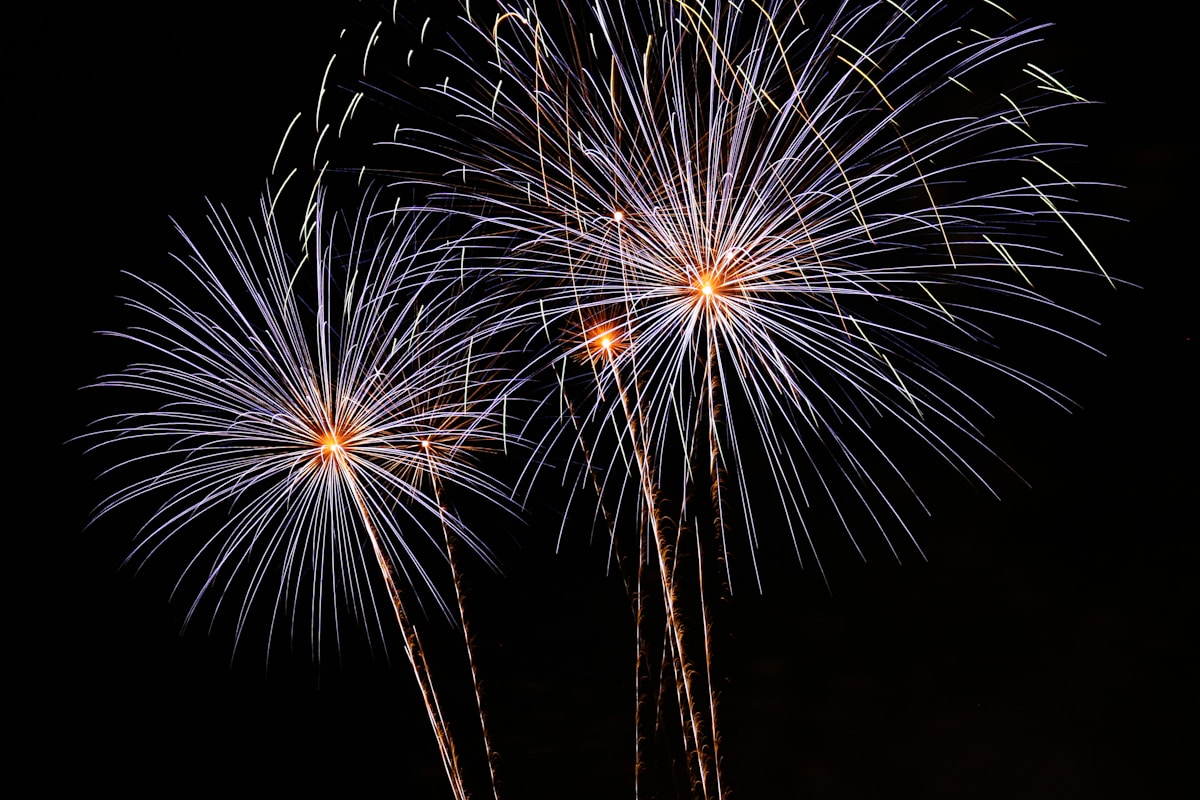
- National Mall, Washington DC: The Mall fireworks (launched from the Lincoln Memorial Reflecting Pool area) are the most-viewed in the country. Crowds are extreme - arrive by noon for decent viewing.
- Macy’s 4th of July Fireworks, New York City: Fired from barges in the East River, best viewed from Midtown East or the Brooklyn waterfront.
- Boston Pops Fireworks, Hatch Memorial Shell: Free outdoor concert followed by fireworks over the Charles River. Plan for 500,000+ people.
- Smaller cities and towns often provide better experiences with manageable crowds - any mid-sized American town on July 4th is worth experiencing.
Newport Folk Festival - Newport, Rhode Island (Late July) One of America’s most storied music festivals (Bob Dylan went electric here in 1965). Fort Adams State Park, ticket prices approximately $95–165 per day as of 2026. Small enough to feel intimate, prestigious enough to draw major acts. Tickets sell out very quickly after they go on sale.
August–September: State Fairs, Burning Man, Festivals
State Fairs (August–September) The American state fair is one of the country’s most distinctive cultural institutions and is consistently overlooked by visitors. State fairs combine agricultural competitions, livestock shows, carnival rides, grandstand concerts, and - this is the main draw - competitive and innovative fried food.
The State Fair of Texas (Fair Park, Dallas, late September–late October) draws 2.5 million+ visitors over its three-week run and is the largest in the country. The Iowa State Fair (Des Moines, ten days in August) is the most famous. The Minnesota State Fair (Falcon Heights, 12 days through Labor Day) has the best food. General admission runs $10–20 for adults at most state fairs; carnival rides and food are additional.
Burning Man - Black Rock Desert, Nevada (Late August–Labor Day) Approximately 80,000 people build a temporary city in the Nevada desert and burn an enormous wooden effigy on the Saturday night of Labor Day weekend. It is a week-long event unlike anything else in the country: collaborative art installations, themed camps, radical participation, and no commercial transactions (tickets excepted). Preparation is extensive: all food, water, and supplies must be carried in; temperatures range from above 100°F daytime to below 50°F at night; dust storms are frequent.
Tickets cost approximately $575 (as of 2026) and sell out almost instantly via lottery in spring. Returning attendees (prior-year ticket holders) get early access. Not suitable for a casual one-day visit or unprepared first-timers; the event has a specific culture and preparation guide.
October: Fall Foliage and Halloween
Fall Foliage Season - New England and Mid-Atlantic (Late September–Late October) The leaf colour change in New England is one of America’s most reliable and spectacular natural events. The best areas for foliage:
- Vermont: Route 100 through the Mad River Valley; the Northeast Kingdom around St. Johnsbury and Burke; Stowe and the Smugglers’ Notch area.
- New Hampshire: Kancamagus Highway (Route 112) through the White Mountains - 34 miles with no services, pure foliage.
- Maine: Acadia National Park (peak colour typically around Columbus Day weekend).
- New York: Catskill Mountains along Route 28, and the Adirondacks north of Lake Placid.
- Virginia/West Virginia: Shenandoah Valley and Skyline Drive.
Hotel availability in Vermont and New Hampshire during peak foliage weekends (typically the first two weekends of October) is extremely tight - book 3–4 months ahead. Mid-week stays offer better availability and lower rates.
Salem, Massachusetts - October Salem turns Halloween into a month-long festival. Haunted Happenings runs through all of October with ghost tours, historical events, and the Witch Trials Memorial (Charter and Liberty Streets) offering a sobering counterpoint to the commercial festivities. Salem is small and genuinely walkable; the week before Halloween is the most crowded. Take the commuter rail from Boston’s North Station (about 30 minutes) to avoid parking.
November–December: Thanksgiving, Holiday Markets
Macy’s Thanksgiving Day Parade - New York City (Fourth Thursday of November) The parade runs from 77th Street and Central Park West down to Macy’s Herald Square, approximately 2.5 miles. Inflated character balloons, marching bands, and celebrity appearances. To see the balloons the night before, visit the inflation area near the Museum of Natural History (Central Park West between 77th and 81st) on Wednesday evening. Viewing the parade itself is free; arrive well before 9am for any street position.
Thanksgiving Weekend The busiest domestic travel period of the year. The Wednesday before and the Sunday after Thanksgiving are the two heaviest travel days. If flying, book 6–8 weeks ahead; prices rise sharply within 3 weeks of the holiday. Hotel rates in major cities spike significantly the week of Thanksgiving as families converge on one another’s cities.
Christmas in New York City (December) The Rockefeller Center Christmas Tree lighting (usually the Wednesday after Thanksgiving) marks the start of New York’s holiday season. The tree itself stays lit through early January. The Dyker Heights neighbourhood in Brooklyn (between 11th and 13th Avenues, 83rd and 86th Streets) produces the most elaborate private Christmas light displays in the country - visible from mid-December, best after dark.
New Year’s Eve Times Square, New York City is the most-watched New Year’s Eve celebration in the world. In person, it means arriving by 3–4pm to secure a viewing spot in a ball drop zone (the areas are roped off; once in, you cannot leave and re-enter), standing in cold for 8+ hours with no bathroom access. It is an experience of extraordinary collective intensity that most people prefer to watch on television from a warm hotel bar.
Nashville’s New Year’s Eve on Lower Broadway (the honky-tonk strip) is one of the country’s genuinely excellent alternatives: free outdoor concert, Music Note Drop at midnight, accessible and warm compared to northern cities. New Orleans’ New Year’s Eve on Bourbon Street is similarly free-form and requires minimal planning.
City Guides
- New Orleans travel guide
- New York City travel guide
- Louisville travel guide
- Chicago travel guide
- Washington DC travel guide
- Nashville travel guide
For guided experiences and ticketed events, browse tours and activities across the USA. Compare flights to the USA - book early for festival weekends when fares spike significantly.
Plan Your Trip
✈️ Book your flights to the USA 🛡️ Get travel insurance 📱 Stay connected with an eSIM 🚗 Rent a car
Ready to Plan Your Trip?
Here are our top itineraries to help you plan your USA visit:
- One Week in the USA: New York, Washington DC and Chicago - Three iconic cities in seven days
- East Coast USA 10-Day Itinerary: NYC, DC, Philadelphia & Boston - The full East Coast circuit
- 10 Days on the West Coast: LA, San Francisco and Beyond - Pacific Coast highlights