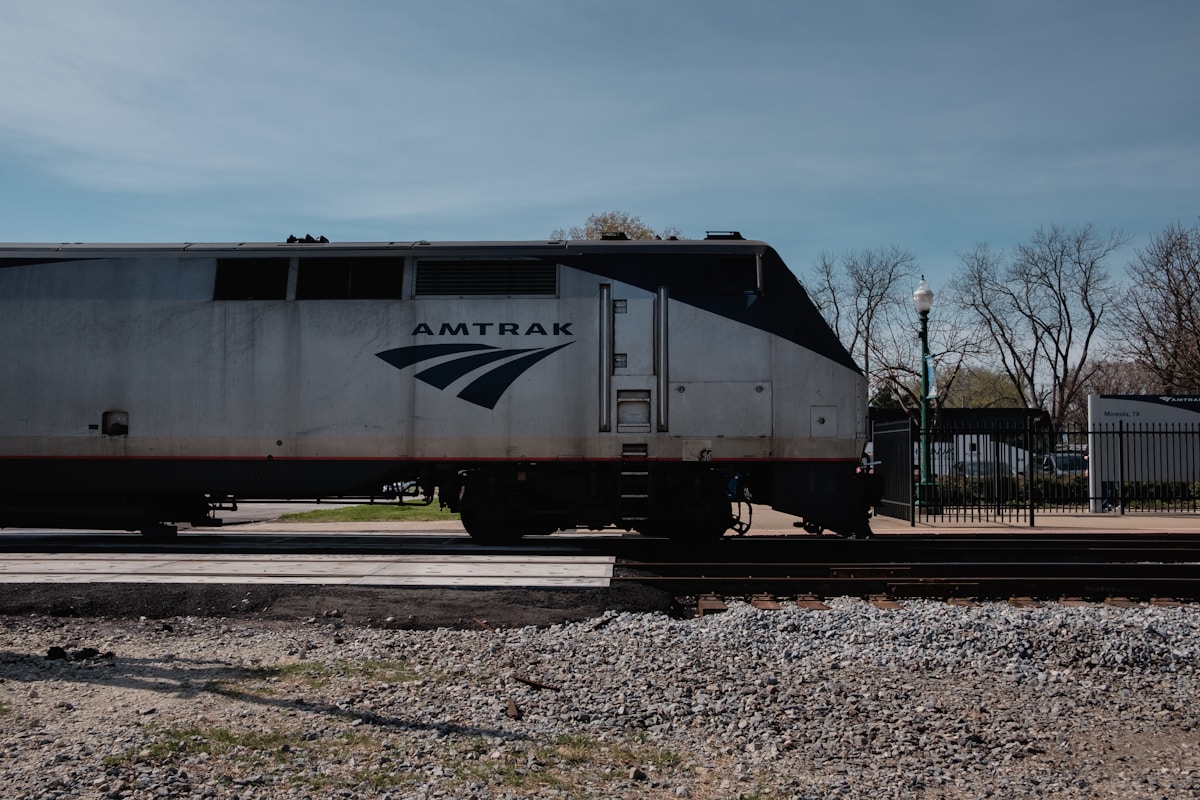
The California Zephyr is the best train ride in North America, and it is not particularly close. Over approximately 51 hours and 2,438 miles between Chicago and the San Francisco Bay, it crosses both the Colorado Rockies and the Sierra Nevada - including long stretches of canyon with no road access whatsoever. This guide covers what each day actually looks like, what it costs, and the small decisions (direction, side, class) that decide how good the trip is.
For how Amtrak long-distance trains work in general - classes, dynamic pricing, the USA Rail Pass - start with our scenic Amtrak routes guide.
The route, day by day (westbound)
Day 1 - the Midwest. Departure from Chicago Union Station mid-afternoon, the Mississippi crossing at Burlington around dinner, then Iowa and Nebraska overnight. Nothing to mourn missing in the dark.
Day 2 - the Rockies, the whole point. Denver at breakfast, then the famous climb: the train gains approximately 4,000 feet through more than two dozen tunnels on the Front Range before the 6.2-mile Moffat Tunnel under the Continental Divide. The rest of the day follows the Colorado River through Gore, Byers, Little Gore, and Glenwood Canyons - hours of river canyon, much of it roadless, with rafters mooning the train at the spot regulars call “Moon River”. Glenwood Springs mid-afternoon, Utah desert by dusk.
Day 3 - the Sierra. Salt Lake City passes in the night; morning is Nevada desert to Reno. After lunch the train climbs the Sierra Nevada over Donner Pass - snow sheds, granite, and a long look down at Donner Lake - then descends through gold-rush country to Sacramento and the Bay, arriving at Emeryville early evening, with a free Amtrak bus connection across the bridge to San Francisco proper.
Fares and classes
As of 2026, one-way:
- Coach - approximately $100–200 booked early. Big reclining seats, leg rests, fine for one night; two nights is a commitment.
- Roomette - approximately $700–1,400 for two people total, including all dining-car meals (worth approximately $45–60 per person per day). Seats convert to upper and lower bunks.
- Bedroom - roughly double a roomette, adds a private toilet/shower and a sofa.
The cost-saving play: ride coach for the overnight plains leg and buy a roomette only for the scenic day - Denver to Salt Lake City is the segment that matters. Book at Amtrak.com; inventory opens approximately 11 months out and the cheapest buckets go first.
Where to sit and when to go
- Sightseer Lounge - get there before the train leaves Denver westbound; seats are gone by the first tunnel.
- Westbound beats eastbound: both mountain ranges pass in daylight. Eastbound, Donner Pass can fall at dawn and the Front Range descent after dark in winter.
- Season: late May–June for snowpack and a full Colorado River; September for aspen gold around the Divide. Winter is spectacular through the Sierra but delay-prone.
Stopovers worth building in
- Glenwood Springs, CO - the station is two blocks from the enormous hot-springs pool (approximately $32 as of 2026); the Hotel Colorado is the historic sleep. The single best overnight break on the route.
- Denver, CO - Union Station is a destination in itself; see our Denver guide.
- Truckee, CA - a restored mountain town 15 minutes from Lake Tahoe’s north shore.
Search hotels in United States on Booking.com
Practical tips
- Pack a day bag for the room/seat: checked bags are inaccessible en route
- Meals require reservations in the dining car - the attendant takes times in the early afternoon
- Wi-Fi is absent and cell signal dies in the canyons - download everything; the scenery does not buffer
- Arrive in Chicago the night before rather than connecting same-day; our Chicago guide covers a worthwhile 24 hours
- Confirm live fares and timetables at Amtrak.com - everything above is as of 2026
For long-distance trips, compare flights to the USA as an alternative. Book your train tickets with Omio to compare Amtrak fares and connections in one place. Once at your destination, car hire in the USA gives you flexibility for regional exploration. Sort travel insurance before departure to cover any delays.
More Scenic Train Guides
Plan Your Trip
✈️ Book your flights to the USA 🛡️ Get travel insurance 📱 Stay connected with an eSIM 🚗 Rent a car
Ready to Plan Your Trip?
Here are our top itineraries to help you plan your USA visit:
- 14 Days in California: Road Trip Itinerary - Two weeks driving the Golden State
- 10 Days on the West Coast: LA, San Francisco and Beyond - Pacific Coast highlights