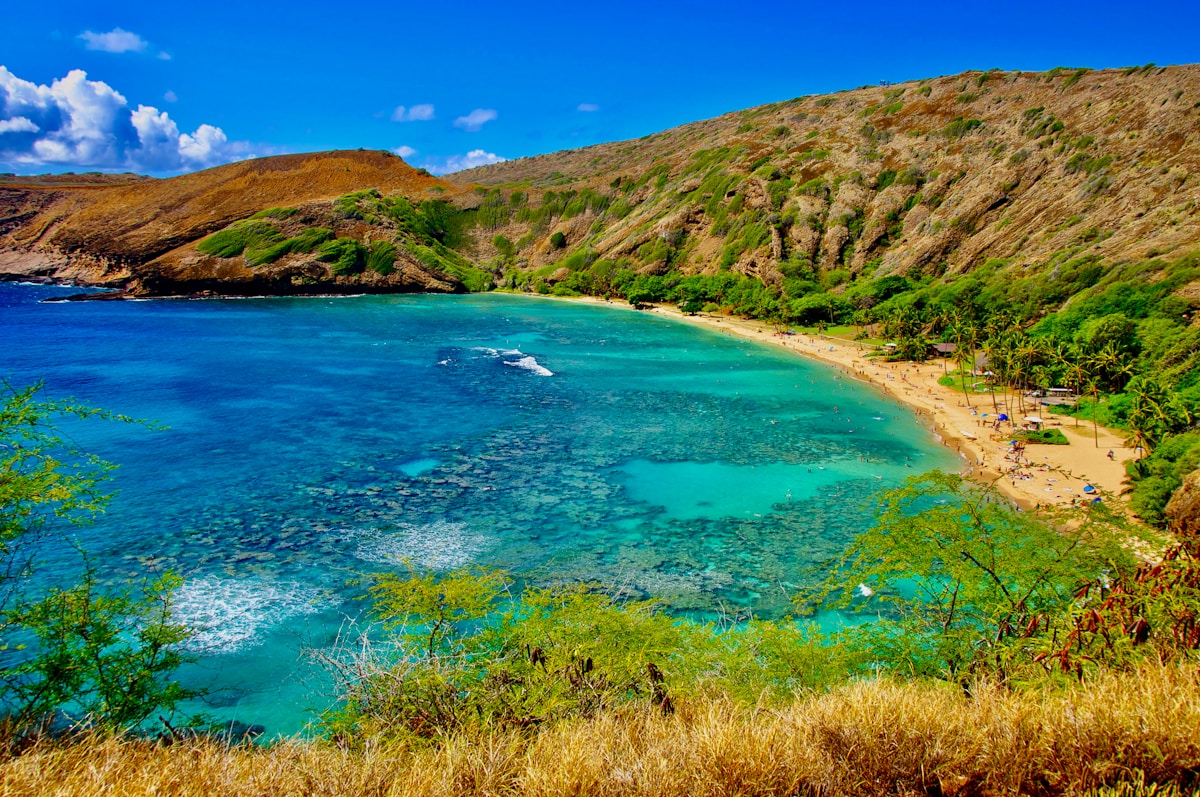
Visiting three Hawaiian islands in 10 days is genuinely feasible - each island has a distinct character and the inter-island flights take 30–45 minutes. This itinerary covers Oahu (history, nightlife, North Shore), Maui (road to Hana, snorkeling, whale watching in season), and the Big Island (active volcanoes, Mauna Kea, black and green sand beaches). One rental car per island is the standard approach.
Inter-Island Flights
Hawaiian Airlines and Southwest Airlines both fly between the islands. Book early: advance fares run approximately $79–$130 each way per person as of 2026; last-minute fares can run $200–$300+. The relevant routes here:
- Honolulu (OGG) to Maui (OGG): ~30 minutes
- Maui (OGG) to Kona or Hilo (Big Island): ~35–45 minutes
Book the same day or the day after arrival on each island to minimize travel overhead.
Car Rental Notes
Hire a car in Hawaii for each island separately - most visitors pick up at the airport. Rates average approximately $65–$95/day for a standard car. Demand is high year-round; book as soon as your dates are confirmed. On Maui, a 4WD is technically required for the Hana Highway above certain pull-offs (though standard cars complete the road); on the Big Island, a high-clearance vehicle helps for Chain of Craters Road in Volcanoes NP.
Budget Tiers
Budget: Polynesian Hostel Beach Club Waikiki ~$45–$65/night dorm. Banana Bungalow Maui (Wailuku) ~$40–$60/night dorm. Arnott’s Lodge Hilo ~$45–$70/night dorm.
Search hotels in Hawaii on Booking.com
Mid-range: Outrigger Reef Waikiki Beach Resort ~$280–$380/night. Andaz Maui at Wailea ~$500–$700/night (Maui mid-range is expensive). Courtyard by Marriott King Kamehameha’s Kona Beach Hotel ~$220–$300/night.
Luxury: The Royal Hawaiian Waikiki ~$700–$1,000/night. Four Seasons Resort Maui at Wailea ~$900–$1,400/night. Four Seasons Resort Hualalai (Big Island) ~$1,200–$1,800/night.
→ Search hotels in Oahu · Search hotels in Maui · Search hotels on the Big Island
Days 1–3: Oahu
Day 1 - Pearl Harbor and Honolulu: The Pearl Harbor National Memorial complex on the west side of Honolulu is one of the most visited sites in America. The USS Arizona Memorial (free, boat access from the visitor center) requires a timed-entry pass - book at recreation.gov weeks ahead in peak season or arrive at 7am for same-day tickets. The Battleship Missouri ($37 adults as of 2026), the Pacific Aviation Museum ($30), and the USS Bowfin submarine ($25) each require separate tickets. Allow a full morning.
Afternoon: walk Waikiki Beach from the Duke Kahanamoku statue east toward Diamond Head. Surfboard rental along the beach runs approximately $15–$20/hour. Dinner at Hoku’s (Kahala Hotel) for Pacific Rim cuisine - approximately $45–$75 for mains - or the more casual Ono Seafood (Kapahulu Avenue) for poke bowls at approximately $12–$18.
Day 2 - Diamond Head and Kailua: Diamond Head crater hike (1.6 miles round trip, approximately $10/person for non-residents as of 2026) starts from inside the crater and climbs to the 760-foot rim with views of the entire Honolulu coastline. Entry by timed reservation at gostateparks.hawaii.gov.
Drive over the Pali Highway to windward Oahu. Kailua Beach Park is consistently ranked among the best beaches in the US - free, with calm turquoise water protected by a reef. Kayak rental to the Mokulua Islands (two small offshore islands) costs approximately $55–$75/half day. Kalapawai Market for a good lunch sandwich, approximately $12–$16.
Day 3 - North Shore: Drive the H-2 freeway north to Haleiwa town, then east along Kamehameha Highway through the surf towns of Laniakea Beach (sea turtle haul-out, free), Waimea Bay (big wave surfing November–March), and Sunset Beach. Eddie Aikau Big Wave Invitational runs at Waimea Bay when waves reach 20+ feet - a spectacle if you happen to be there. Matsumoto Shave Ice in Haleiwa is the mandatory stop - approximately $4–$6.
Days 4–7: Maui
Fly to Maui (OGG). Collect rental car and head to Lahaina (if restored) or Kaanapali on the west side.
Day 4 - Lahaina and Snorkeling: Lahaina was devastated by wildfire in August 2023 - check current status before planning. The Banyan Tree (still standing as of 2026, one of the largest in the US) and the harbor area have partially reopened. Molokini Crater snorkeling tours from Maalaea Harbor: approximately $95–$130 per person for a half-day tour with equipment. The submerged crater has exceptional visibility (100+ feet) and abundant marine life. Book through Maui Classic Charters or Pacific Whale Foundation.
Day 5 - Road to Hana: The Hana Highway (Route 360) runs 65 miles from Kahului to Hana through 617 curves and 59 bridges. Key stops: Twin Falls (0.7 miles from the start, free, easy waterfall hike), Garden of Eden Arboretum (approximately $20), Wai’anapanapa State Park (black sand beach, sea arches - $15/vehicle, timed entry required via gostateparks.hawaii.gov), and Hana town itself. The drive takes 3–4 hours without stopping; with stops, a full day.
Options: stay in Hana (Travaasa Hana, approximately $700–$1,000/night - book far ahead) or return the same way after sunset.
Day 6 - Haleakala National Park: Haleakala summit (10,023 feet) offers sunrise views over the clouds and into a 3,000-foot volcanic crater. Sunrise entry requires a timed reservation (approximately $1 at recreation.gov, made 60 days ahead) plus the park fee (~$35/vehicle). Arrive at the summit at least 30 minutes before sunrise. Bring warm clothes - summit temperatures at sunrise run 30–45°F year-round regardless of beach weather below.
Afternoon at lower elevation: the Kipahulu District near Hana has the Seven Sacred Pools (Ohe’o Gulch) - pools connected by waterfalls in a coastal canyon. Currently check trail status at the park website, as some access has been variable.
Day 7 - Whale Watching (December–April) or West Maui: Pacific Whale Foundation tours run from Maalaea Harbor - approximately $35–$55 for a 2-hour tour. Humpback whales are in Hawaiian waters from December through April; sightings are virtually guaranteed in January–March. Outside whale season, Kapalua Bay and Napili Bay (north of Kaanapali) are two of the best snorkeling beaches on Maui - free to access.
Days 8–10: Big Island of Hawaii
Fly to Kona (KOA, west coast) or Hilo (ITO, east coast). Kona is more convenient for the south part of the island; Hilo for Volcanoes NP.
Day 8 - Manta Ray Night Snorkel (Kona) and Captain Cook Monument: Book a manta ray night snorkel through Jack’s Diving Locker or Kona Honu Divers - approximately $90–$120 per person as of 2026. Manta rays up to 16 feet wide feed on plankton attracted by boat lights directly offshore from the Garden Eel Cove area near the airport. Snorkelers float on the surface over the mantas; no diving required. One of the most reliably spectacular wildlife experiences in Hawaii.
Morning: Kealakekua Bay State Historical Park - the site of Captain Cook’s death in 1779. Kayak rental from Kona Boys (approximately $55/half day for a single kayak) and snorkel in the marine sanctuary at the memorial. The water clarity is exceptional and the reef is in good condition.
Day 9 - Hawaii Volcanoes National Park: Drive the Saddle Road (Route 200) across the Big Island to Hilo, then south to Hawaii Volcanoes National Park (approximately $35/vehicle, valid 7 days). Book Hawaii Volcanoes tours for guided lava field and eruption viewpoint experiences. The park contains Kilauea, one of the world’s most continuously active volcanoes.
Key stops: Kilauea Visitor Center for current eruption status, Kilauea Iki Trail (4 miles across a solidified lava lake, approximately 2 hours), Chain of Craters Road (20 miles down to the coast past dozens of lava formations), and Thurston Lava Tube (an 0.3-mile walk through a 500-year-old lava tube). → Find hotels near Hawaii Volcanoes Check nps.gov/havo for current eruption status - the summit caldera has been actively erupting on and off since 2018.
Day 10 - Mauna Kea and Black/Green Sand Beaches: Mauna Kea Summit Access Road climbs to 13,796 feet - the visitor information station at 9,200 feet (the Onizuka Center) requires no fee or reservation and has excellent stargazing any clear night. Driving to the summit requires a 4WD vehicle; acclimatization at the 9,200-foot level for 30 minutes is recommended before proceeding.
Punalu’u Black Sand Beach (south coast, near Pahala): sea turtles regularly haul out on the black volcanic sand - free beach park with good facilities. Green Sand Beach (Papakolea) near South Point: requires a 5.4-mile round-trip hike from Mahana Bay, or a ride with local shuttle trucks (approximately $10–$15 per person). The olivine green sand is genuine and photogenic.
Return to Kona airport.
What to Skip
Waikiki helicopter tours: $200–$300+ per person with booking pressure. The views are dramatic but the same money goes much further on a snorkeling cruise to Molokini or a Road to Hana van tour with a knowledgeable guide.
Luau shows in Waikiki: Most run approximately $150–$200 per person. The Old Lahaina Luau (Maui) was the gold standard - check its current status post-fire. Most resort luaus outside Maui are tourist productions with limited connection to Hawaiian culture.
Hana town itself (one night is enough): Beautiful drive, thin village. Staying two nights in Hana to see the pools adds time that’s better spent elsewhere.
Booking Tips
- Pearl Harbor timed entry: book at recreation.gov 2–4 weeks ahead for summer and holidays.
- Haleakala sunrise: the 60-day advance reservation window fills within hours of opening. Set an alarm and book the moment your dates are 60 days out.
- Wai’anapanapa State Park (black sand beach): timed entry required, book at gostateparks.hawaii.gov.
- Manta ray night snorkel: book 3–7 days ahead in peak season. Cancellations due to weather are issued with full credit.
- April–June and September–November offer the best balance of good weather, lower crowds, and off-peak pricing on flights and hotels.
- Whale watching is strictly December–April; peak sightings are January–March.
- For whale watching cruises, Waimea Canyon hiking tours, and Honolulu city experiences, browse Hawaii tours on GetYourGuide - most operators offer instant confirmation.
More Hawaii Guides
Book Your Trip
- Flights - Find the best fares to the USA · flights guide
- Travel Insurance - Get covered before you go · insurance guide
- eSIM - Stay connected from landing · eSIM guide
- Airport Transfers - Pre-book your transfer from your nearest major airport
- Car Rental - Compare prices across providers · car hire guide
- Tours & Activities - Browse the USA tours on GetYourGuide