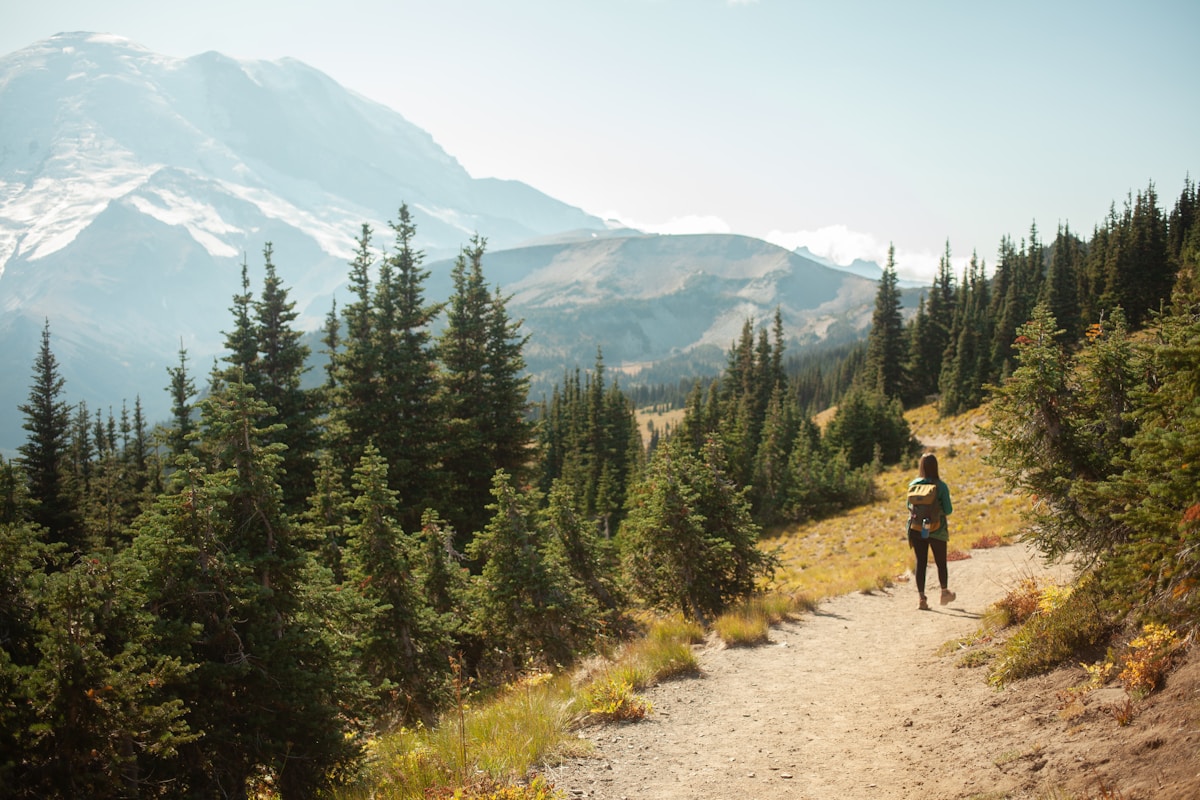
The Appalachian Trail runs 2,190 miles from Springer Mountain, Georgia to Mount Katahdin, Maine. This itinerary does not hike the AT end to end - that takes 5–7 months. Instead, it visits the major trail towns and gateway parks from Asheville, North Carolina north to Shenandoah National Park in Virginia, sampling the AT culture, trail sections, and surrounding landscape. Total driving distance is approximately 600 miles over 7 days.
Driving Notes
This route runs roughly north from Asheville (fly in/out of AVL or Charlotte Douglas, ~2 hours away). Most of the mountain roads are two-lane state routes that take longer than the mileage suggests. Allow extra time on Blue Ridge Parkway segments (the speed limit is 45 mph and the road is twisty).
A standard car works for all roads on this route. No 4WD required. Hire a car in the USA from Asheville Regional or Charlotte Douglas airport.
Budget Tiers
Budget: Asheville Hostel & Guest House ~$35–$55/night dorm. Great Smoky Mountains NP campgrounds (Elkmont, Cades Cove) ~$25–$30/night. Budget motels in Gatlinburg ~$80–$130/night. Luray Caverns-area motels ~$90–$130/night.
Search hotels in Appalachian Trail on Booking.com
Mid-range: The Inn on Biltmore Estate Asheville ~$280–$380/night. Park Vista Gatlinburg (elevated position with Smokies views) ~$180–$250/night. Big Meadows Lodge Shenandoah NP ~$180–$240/night.
Luxury: The Restoration Hotel Asheville ~$350–$480/night. The Inn at Christmas Place Gatlinburg ~$250–$350/night (Christmas themed year-round, unusual but genuinely comfortable). Skyland Resort Shenandoah NP ~$200–$280/night.
Day 1: Asheville, North Carolina
Asheville is the cultural capital of the Southern Appalachians - arts, craft beer, and one of the best restaurant scenes in the Southeast.
Morning: The Biltmore Estate (Vanderbilt family mansion, built 1895 - the largest privately owned house in the US at 178,926 sq ft). Admission approximately $80–$120 per person as of 2026 (varies by season). The house tour takes 2 hours; the 8,000-acre grounds and winery require extra time. Book online; tickets at the gate are rarely cheaper.
Afternoon: Downtown Asheville. Pack Square, the River Arts District (studios along the French Broad River - Saturday open studios give the best access), and the Grove Arcade (a 1929 public market building). Short Street and Lexington Avenue are the independent shop streets.
Evening: Asheville’s food scene is exceptional for its size. Curate (Biltmore Avenue) for Spanish small plates - approximately $15–$28 per dish, book weeks ahead. The Bull & Beggar (River Arts District) for charcuterie and wine - approximately $20–$40. Burial Beer Co. (Biltmore Avenue) for craft beer in a warehouse taproom.
Day 2: Blue Ridge Parkway to Great Smoky Mountains (100 miles, ~3 hours with stops)
Drive west on the Blue Ridge Parkway (US-441 south from Asheville connects to it). The Parkway runs 469 miles from Cherokee, NC to Shenandoah NP in Virginia - this section covers the southern end.
Key stops: Waterrock Knob (milepost 451.2, 6,292 feet) for a 360-degree view of four states on clear days. The 0.8-mile trail to the true summit is steep but short. Black Balsam Knob (accessible from the Parkway near milepost 420) is above treeline - an unusual environment for the East.
Continue to Cherokee, NC and enter Great Smoky Mountains National Park on US-441 (Newfound Gap Road). The park is free - no entrance fee. Book Great Smoky Mountains tours for guided hikes and waterfall walks. Stop at Newfound Gap overlook (5,046 feet) on the Tennessee-North Carolina border. A plaque marks where Franklin Roosevelt dedicated the park in 1940. The AT crosses the road here - thru-hikers pass this point roughly 2 weeks after starting in Georgia.
Sleep in Cherokee (NC side) or continue to Gatlinburg (TN side, 30 miles from Cherokee). → Find hotels near Great Smoky Mountains
Day 3: Great Smoky Mountains National Park
The Smokies is the most visited national park in the US (12+ million visitors annually) - go early and pick less-traveled trails to avoid the crowds.
Alum Cave Trail (8.8 miles round trip, or 4.4 miles to Alum Cave Bluffs turnaround): The most rewarding trail in the park. The first 2.2 miles to Alum Cave Bluffs climbs through old-growth forest past Log Hollow, Arch Rock, and a concave bluff with 100-foot overhanging walls of alum-encrusted rock. Continue to the summit of Mount LeConte (6,593 feet) for one of the most complete mountain experiences in the East. The round trip to the summit takes 5–6 hours from the trailhead.
LeConte Lodge: The only backcountry lodging in the park (no road access). Costs approximately $135–$165 per person as of 2026 including dinner and breakfast. Requires a reservation - the booking system opens in September or October for the following year, and prime spring/fall dates go within hours. Worth planning around.
Cades Cove: An 11-mile one-way loop road through a valley of 19th-century homesteads and open meadows. White-tailed deer, black bears, and wild turkeys are frequently visible. Approximately 1.5 hours driving with stops.
Dinner: For Gatlinburg itself, the Peddler Steakhouse (River Road) is an old-school steakhouse on the creek - approximately $35–$55 for mains, worth it.
Day 4: Gatlinburg, the AT, and Roaring Fork Motor Nature Trail
Morning: Walk the AT from the Davenport Gap trailhead (northern edge of the park, approximately 30 minutes from Gatlinburg) southbound for 2–3 miles. This section is a genuine stretch of the trail through dense Appalachian forest with very little development. Turn around at any point.
Afternoon: Roaring Fork Motor Nature Trail - a 5.5-mile one-way loop accessible only by car (closes in winter). Passing through old-growth hemlock and cascading streams, with pull-outs for short waterfall walks. Rainbow Falls Trail (2.7 miles one way from the Roaring Fork trail) leads to the park’s tallest waterfall at 80 feet.
Gatlinburg itself is enormously commercialized - miniature golf, pancake houses, and souvenir shops. The Gatlinburg SkyLift Park (approximately $30) is a glass-bottomed sky bridge above the trees. Optional, skippable. Anakeesta mountain adventure park (approximately $30–$55) is better for families.
Day 5: Cumberland Gap National Historical Park (120 miles from Gatlinburg, ~2.5 hours)
Drive north on US-321 through Cosby and Newport, then north on US-25E into Cumberland Gap. The Gap is the natural break in the Appalachian Mountain ridge through which Daniel Boone blazed the Wilderness Road in 1775 - approximately 300,000 settlers passed through before 1810.
Pinnacle Overlook (4,150 feet): A 4-mile round trip trail from the visitor center (or drive the 4-mile Pinnacle Road). At the top, the Cumberland Mountains of Kentucky, Virginia, and Tennessee spread out in three directions simultaneously - the AT passes through the park.
Hensley Settlement: A hand-cleared farming community maintained on top of Brush Mountain from 1904 until 1951. The NPS restored the buildings; a ranger-led van tour departs from the visitor center (approximately $15, check park website for schedule). A challenging 8-mile round-trip hike accesses it without the van.
Sleep in Cumberland Gap town, Harrogate (TN), or Middlesboro (KY).
Day 6: Skyline Drive and Shenandoah National Park (200 miles, ~3.5 hours)
Drive north through the Virginia coal country - Wise County, Norton, Big Stone Gap - on US-58 and US-421 to I-81. Join Skyline Drive at the Rockfish Gap entrance near Waynesboro, VA. Book Shenandoah tours for guided hikes and Old Rag rock scramble experiences.
Skyline Drive runs 105 miles north to Front Royal along the crest of the Blue Ridge. The speed limit is 35 mph. Two visitor centers (Loft Mountain and Byrd) plus dozens of overlooks mark the route. Stony Man Summit (0.9-mile round trip from the Skyland parking area) is the highest accessible peak at 4,011 feet, with views west over Page Valley.
Big Meadows (milepost 51): Meadow, visitor center, lodge, and campground. White-tailed deer graze in the open meadow at dawn and dusk. The Dark Hollow Falls Trail (1.4 miles round trip) drops 440 feet to a 70-foot waterfall through a rocky hemlock hollow.
Sleep at Big Meadows Lodge (book ahead), Skyland Resort, or Luray (20 miles west, cheaper options). → Find hotels near Shenandoah
Day 7: Shenandoah - Old Rag Mountain and Return
Old Rag Mountain (3,284 feet) is the most challenging and most rewarding hike in the park - the 9.2-mile loop includes a 2-mile rock scramble on bare granite near the summit that requires hands and feet. Not technical climbing; it requires comfort with exposure and some fitness. Allow 5–6 hours. The hike is outside the main park boundary (accessible via a separate parking area near Nethers, VA) and requires a timed day use fee (approximately $30/person, reserved at recreation.gov - sells out weeks ahead on weekends).
For less demanding hiking, Hawksbill Summit Trail (1.7 miles round trip from Hawksbill Gap at milepost 45.6) reaches the highest peak in the park at 4,051 feet with a metal observation platform at the top.
Drive north to Skyline Drive’s northern terminus at Front Royal (milepost 0). Continue to Washington Dulles International Airport (70 miles, ~1.5 hours) or Charlottesville Airport (50 miles south from the park, ~1 hour) for departure.
What to Skip
Gatlinburg Ripley’s Attractions (multiple venues): Aquarium, Haunted Adventure, and similar branded attractions - expensive, crowded, and not what makes this region worth visiting.
Tail of the Dragon (US-129): 318 curves in 11 miles near Deals Gap is a famous drive, but it adds a 2+ hour detour to reach and returns you to the same area. Worth it only if driving is the point.
Pigeon Forge: Dollywood is genuinely excellent for families (approximately $89–$109 as of 2026). The rest of Pigeon Forge (the outlet-mall-and-go-kart strip) is not worth stopping for.
Booking Tips
- Biltmore Estate: book online (same price, avoids ticket line). Visit on a weekday for fewer crowds.
- LeConte Lodge: reservations open in October for the following year at leconte-lodge.com. Spring and fall dates go within hours. If you miss it, check for cancellations in February.
- Old Rag Mountain timed permit: recreation.gov, sells out months ahead for peak season (April–November weekends). Mid-week availability is generally better.
- Great Smoky Mountains campgrounds: book at recreation.gov 6 months ahead for summer weekends. Walk-up sites are available on weekdays.
- October is the busiest month in the Southern Appalachians (foliage). Hotels cost more and roads are crowded. Late September and early November offer quieter alternatives with good color.
- For Asheville food tours, Great Smoky Mountains guided hikes, and Blue Ridge Parkway photography excursions, browse Appalachian region tours on GetYourGuide.
More Appalachian Guides
- Asheville travel guide
- Charlotte travel guide
- Great Smoky Mountains National Park guide
- Shenandoah National Park guide
Book Your Trip
- Flights - Find the best fares to the USA · flights guide
- Travel Insurance - Get covered before you go · insurance guide
- eSIM - Stay connected from landing · eSIM guide
- Airport Transfers - Pre-book your transfer from your nearest major airport
- Car Rental - Compare prices across providers · car hire guide
- Tours & Activities - Browse the USA tours on GetYourGuide