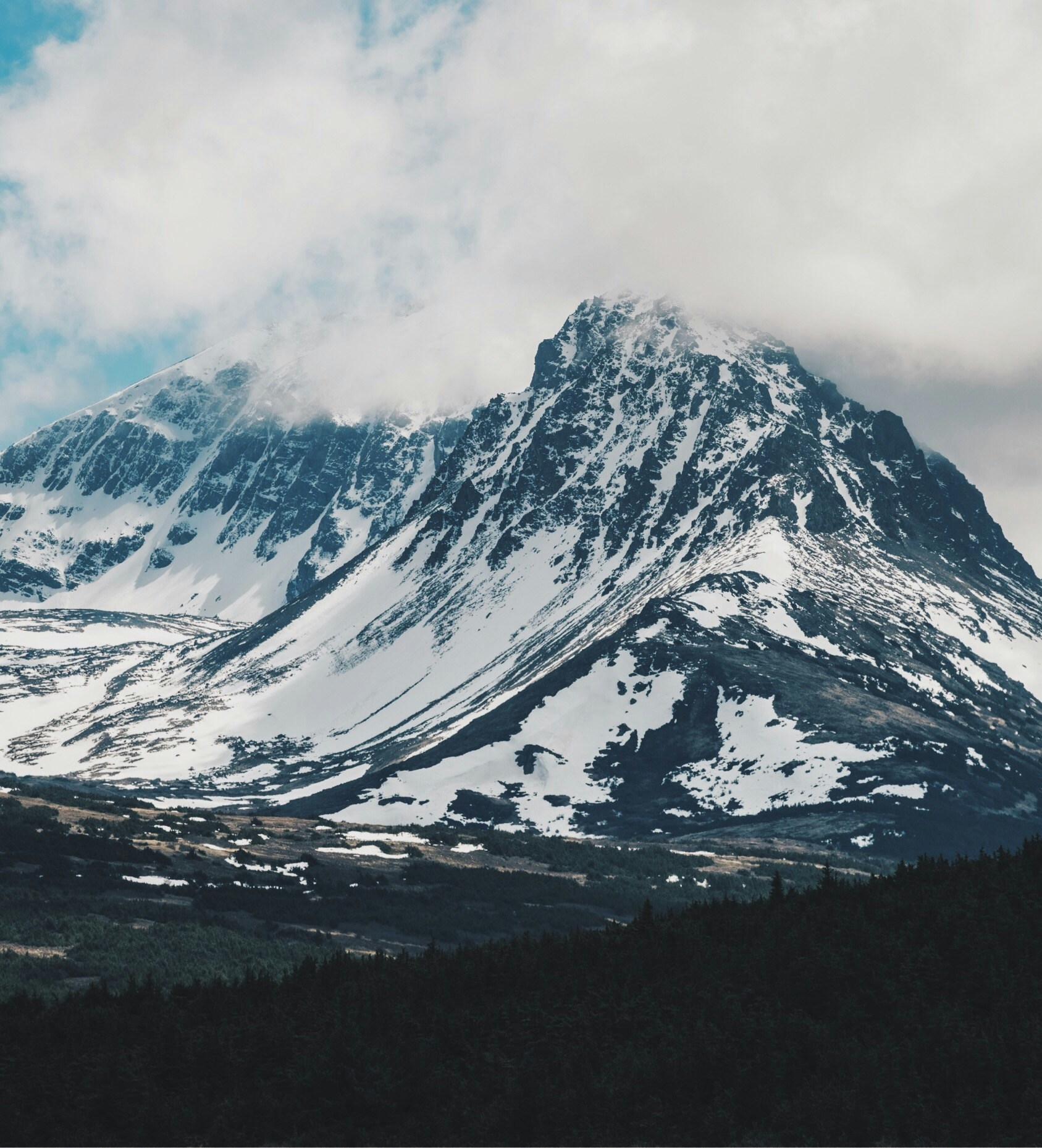
Alaska operates on a different scale than the rest of the US. The state is larger than Texas, California, and Montana combined. Distances between attractions take hours to cover, and some areas are accessible only by small plane or boat. For the Southcentral section, you’ll need a rental car in the USA - pick up at Anchorage International. The wildlife - grizzly bears fishing for salmon, humpback whales breaching in coastal fjords, moose standing in road shoulders - is not curated for visitors. It’s simply there.
This itinerary covers the two main regions most visitors choose between: Southcentral Alaska (Anchorage, Kenai Peninsula, Denali) and Southeast Alaska (Juneau, Glacier Bay, Sitka). A complete Alaska trip does both; a focused one-week trip picks one.
Days 1–2: Anchorage
Most Alaska visitors fly into Ted Stevens Anchorage International Airport - the major hub for the state. Anchorage itself is a functional city rather than a destination, but it has good food, the Alaska Native Heritage Center, and Tony Knowles Coastal Trail running 11 miles along Cook Inlet.
Day 1 - Anchorage Orientation
- Alaska Native Heritage Center (8800 Heritage Center Dr) - the best introduction to Alaska’s diverse Indigenous cultures: Athabascan, Yup’ik, Inupiaq, Tlingit, Haida, and Tsimshian. Entry approximately $24–$30 per adult as of 2026. Allow 2–3 hours.
- Anchorage Museum (625 C St) - strong Alaska history and science collections with rotating contemporary art. Entry approximately $20 per adult.
- Flattop Mountain Trail - 3.4-mile round trip from the Glen Alps Trailhead, 30 minutes from downtown. The views over Anchorage and Cook Inlet reward the 1,350-foot elevation gain. No permit required.
Day 2 - Day Trip to Portage Glacier and Turnagain Arm Seward Highway south from Anchorage runs one of the most dramatic coastal drives in North America - 50 miles along Turnagain Arm, a narrow fjord with 30-foot tidal swings. Stop points:
- Beluga Point - tidal bore bore waves roll up the arm; beluga whales occasionally follow the bore
- Portage Glacier - once visible from the visitor center; now receded 3 miles. Glacier cruises on Portage Lake reach the face (approximately $40–$50 per adult)
- Explorer Glacier - shorter walk accessible directly from Portage Valley
Return to Anchorage via the same route, or continue to Seward (another 1.5 hours) for an early Day 3 start.
Anchorage Hotels (per night, 2026 rates)
- Mid-range: Hotel Captain Cook (939 W 5th Ave) - downtown Anchorage’s most established property. Approximately $200–$320/night.
- Mid-range: Hilton Anchorage (500 W 3rd Ave) - reliable business hotel with mountain views from upper floors. Approximately $180–$280/night.
- Budget: Qupqugiaq Inn (640 W 36th Ave) - basic but clean, approximately $100–$150/night.
Search hotels in Alaska on Booking.com
Days 3–4: Kenai Fjords National Park
From Anchorage, drive 130 miles south on the Seward Highway to Seward (approximately 2.5–3 hours). Alternatively, take the Alaska Railroad Coastal Classic train (daily in summer, approximately $85–$100 one-way, approximately 4 hours).
Day Cruise in Kenai Fjords Book Kenai Fjords tours - full-day glacier cruises from Seward are the single best Alaska experience for wildlife concentration. The fjords hold some of the most productive marine habitat in the world - Steller sea lions hauled out on rocks, Dall’s porpoises bow-riding the boat, humpback whales feeding, killer whales in certain seasons, and tufted puffins circling the rocky outcrops.
Operators: Major Marine Tours and Kenai Fjords Tours run full-day cruises departing Seward Small Boat Harbor at approximately 8:30–9am. Full-day cruises run approximately $190–$220 per adult as of 2026. Includes narration and a boxed lunch or on-board meal. Exit Glacier is reached on a shorter half-day cruise (approximately $110–$140).
Exit Glacier (Kenai Fjords National Park) The one part of Kenai Fjords accessible without a boat. The glacier is 9 miles from Seward via Herman Leirer Rd. The paved trail to the glacier face is 0.8 miles round trip; a steeper trail climbs 3 miles to the Harding Icefield overlook (approximately 1,000-foot elevation gain, 5–6 hours round trip). Glacier entry free with America the Beautiful Pass; $25 vehicle fee otherwise.
Seward Accommodation
- Van Gilder Hotel (308 Adams St) - historic 1916 hotel in downtown Seward, walking distance to harbor. Approximately $180–$280/night.
- Seward Windsong Lodge (31772 Herman Leirer Rd) - near Exit Glacier, scenic mountain setting. Approximately $200–$300/night. → Find hotels near Kenai Fjords
Days 5–7: Denali National Park
From Seward, return to Anchorage and drive north on the Parks Highway to Denali National Park (approximately 4–5 hours from Anchorage). Alternatively, take the Alaska Railroad Denali Star (daily in summer, Anchorage to Denali approximately 8 hours, approximately $130–$180 one-way).
Denali National Park Overview Book Denali tours for guided wildlife bus trips and flightseeing over the Alaska Range. Denali is unlike other national parks in that the single road (92 miles to Wonder Lake) is largely closed to private vehicles. Only the first 15 miles to Savage River are accessible by car. Beyond that, you must board a park bus.
Denali Park Buses: The park operates two types of buses:
- Transit buses - seats available without guide narration, approximately $40–$60 depending on destination. Fill fast; book at recreation.gov as soon as reservations open (typically December for the following summer).
- Guided tour buses - narrated by park naturalists, approximately $90–$180. More educational, harder to book.
Reserve bus tickets as early as possible - buses for peak summer dates often sell out within days of the reservation window opening.
Wildlife Viewing The Denali road traverses six different ecosystems. Grizzly bear sightings are common (the park has approximately 300–350 bears); Dall’s sheep appear on ridgelines; caribou herds cross the road in migration. The bus allows you to request stops wherever wildlife is spotted.
Denali Summit Views North America’s highest peak (20,310 feet / 6,190m) is visible only on clear days - approximately 30% of summer days meet this criteria. Flightseeing tours from Talkeetna (90 miles south of the park entrance) circle the massif and, in summer, often include a glacier landing. Operators: Talkeetna Air Taxi, K2 Aviation. Approximately $350–$600 per person as of 2026. Book at least 1–2 weeks in advance; flights cancel on cloudy days.
Hiking in Denali Unlike most national parks, Denali has no marked trail system beyond the first 15 miles. Backcountry hikers traverse open tundra on compass bearings. For day hikers within the accessible zone:
- Savage Alpine Trail (4 miles round trip, 900 feet elevation gain) - views over the Savage River valley
- Horseshoe Lake Trail (3.4 miles, easy) - accessible at the park entrance
- Mount Healy Overlook (5 miles round trip, 1,700 feet) - reliable views toward the Alaska Range
Denali Accommodation
Accommodation near the park entrance (Denali Borough) is limited and expensive relative to quality.
- Denali Park Village (Mile 231 Parks Hwy) - the largest hotel complex near the park, approximately $250–$400/night in summer.
- Denali Bluffs Hotel (Mile 238.5 Parks Hwy) - good location, approximately $220–$350/night.
- Camping: Riley Creek Campground (near the park entrance) takes reservations at recreation.gov; approximately $32–$36/night. Teklanika Campground further in requires a 3-night minimum and is accessible only by park bus. → Find hotels near Denali
Southeast Alaska Extension (Days 8–12)
If adding Southeast Alaska, fly Anchorage → Juneau (approximately $150–$350 one-way, approximately 90 minutes).
Juneau Accessible only by sea or air - no road connects Juneau to the rest of Alaska. The state capital has 32,000 residents and sits between Gastineau Channel and the Coast Mountains.
- Mendenhall Glacier - the most accessible glacier in Southeast Alaska, 13 miles from downtown Juneau. The Mendenhall Glacier Visitor Center (free entry, $5 parking fee) overlooks the glacier across Mendenhall Lake. The East Glacier Trail (3.2 miles, moderate) reaches a viewpoint above the glacier terminus. The glacier has retreated approximately 2.5 miles since 1958 - the rate of retreat is visible in the exposed rockface.
- Whale Watching: Summer in Gastineau Channel and Stephens Passage brings humpback whales reliably. Multiple operators run 3.5-hour whale watching tours from Juneau’s waterfront - approximately $150–$200 per adult. Orca are also occasionally spotted.
- Alaska Brewing Company (5429 Shaune Dr) - tours approximately $10, with tastings. A Juneau institution since 1986.
Glacier Bay National Park An 8-seater floatplane or fast ferry from Juneau (approximately $300–$450 for the ferry round trip) reaches Glacier Bay, where 1,000-foot tidewater glaciers calve directly into the sea. Day boat tours from Gustavus run approximately $200–$250 per adult and cover the most active tidal glacier faces.
Sitka A 45-minute flight from Juneau reaches Sitka - the most beautiful of Southeast Alaska’s small cities, with Russian Orthodox churches, Southeast Alaska Indian Cultural Center, and the Sitka National Historical Park. Sea kayaking in the protected waters of the Sitka Sound runs approximately $100–$160 per person for a half-day guided tour.
Getting Around Alaska
| Leg | Mode | Approximate Cost | Time |
|---|---|---|---|
| Anchorage → Seward | Drive or Alaska Railroad | $30 fuel / $85–$100 train | 2.5h / 4h |
| Seward → Denali (via Anchorage) | Drive | $50–$70 fuel | 6–7h total |
| Anchorage → Juneau | Alaska Airlines / Ravn | $150–$350 | 90 min |
| Juneau → Glacier Bay | Ferry or floatplane | $300–$450 / $400–$600 | 4h / 25 min |
What to Pack for Alaska
- Layers: Temperatures in summer range from 40°F (4°C) on glacier excursions to 80°F (27°C) in Anchorage on warm days. Fleece, a waterproof shell, and a base layer cover all conditions.
- Rain gear: Southeast Alaska averages 90–100 inches of rain per year in Juneau. A waterproof jacket is non-negotiable, not optional.
- Insect repellent: Mosquitoes are serious in the interior, particularly around Denali and wetland areas, from June through August.
- Binoculars: Wildlife sightings are more rewarding with glass. Borrow or buy before arriving - rental options near parks are limited.
- Merino wool socks: Wet feet happen on virtually every Alaska outdoor day.
For guided glacier hikes, wildlife safaris in Denali, and whale-watching from Juneau, browse Alaska tours on GetYourGuide - many operators offer small-group day tours with transport included.
More Alaska Guides
Book Your Trip
- Flights - Find the best fares to the USA · flights guide
- Travel Insurance - Get covered before you go · insurance guide
- eSIM - Stay connected from landing · eSIM guide
- Airport Transfers - Pre-book your transfer from your nearest major airport
- Car Rental - Compare prices across providers · car hire guide
- Tours & Activities - Browse the USA tours on GetYourGuide