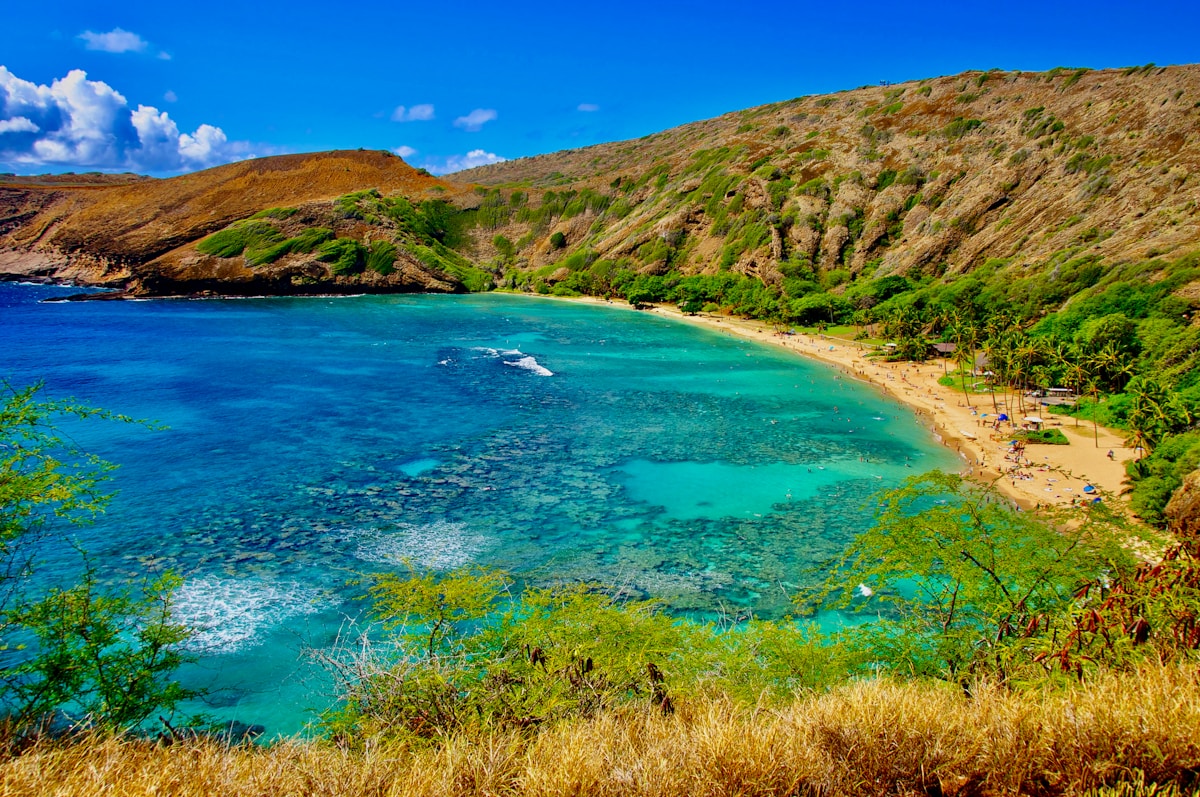
Overview
Kauai is the oldest of the main Hawaiian Islands - roughly 5 million years old, compared to the Big Island’s ongoing formation - and erosion has carved it into some of the most dramatic scenery in the Pacific. The island covers 562 square miles, but its wet, rugged interior has never been logged, farmed, or substantially developed. No building on Kauai may exceed the height of a coconut palm. There is no traffic light north of Kapaa. The island has one main highway, and it does not form a loop - the road simply ends in two places.
This geography explains why Kauai draws a different visitor than Oahu or Maui: those who come to hike, kayak, and spend long hours outdoors rather than move between resort amenities. The tradeoff is weather - the north shore receives heavy rain between November and March, and Kauai’s interior (near Mount Waialeale, one of the wettest spots on Earth at 450 inches of rain per year) is rarely clear.
Top Attractions
Na Pali Coast
The 16-mile northwest coastline between Ke’e Beach and Polihale State Park is inaccessible by road. Access is by sea, by air, or on foot via the Kalalau Trail. The 11-mile trail to Kalalau Valley requires a permit (approximately $35 per night as of 2026, available at gostateparks.hawaii.gov); the first 2 miles to Hanakapi’ai Beach do not. The beach is reached in 2 miles each way over cliffs and ridges - allow 3–4 hours total. Do not swim at Hanakapi’ai; rogue waves have caused multiple fatalities.
Sea kayaking the full Na Pali coast in season (May through September, weather permitting) is a 17-mile open-ocean paddle that takes 2 days. Guided kayak tours from Ha’ena run approximately $175–$250 per person for a full day as of 2026. Zodiac boat tours from Port Allen circle the coast in approximately 3.5–5 hours; fares approximately $130–$190 per adult as of 2026.
Helicopter Tours
Kauai’s interior - the Waimea Canyon tributary valleys, the Alakai Swamp, the Na Pali cliffs, and the Mount Waialeale crater - is largely inaccessible by land. Helicopter tours provide the only practical view of much of it. Doors-off tours in a 6-seat Hughes 500 run approximately $350–$450 per person as of 2026; doors-on 8-seat tours are approximately $200–$280. Blue Hawaiian Helicopters, Jack Harter Helicopters, and Sunshine Helicopters are the principal operators based at Lihue Airport. Tours take 50–65 minutes and are subject to cancellation in rain or cloud, which is common on the north. Book a morning slot, as winds tend to increase in the afternoon.
Waimea Canyon
Often called the “Grand Canyon of the Pacific” - a comparison that overstates the visual similarity but captures the surprise of finding a 3,600-foot-deep canyon on a tropical island. The canyon is 14 miles long and was carved by the Waimea River. Koke’e State Park adjoins the canyon and extends to 4,000 feet, where the Alakai Swamp Trail crosses one of the highest wetlands on Earth. The Waimea Canyon Lookout and Pu’u Hinahina Lookout provide the best canyon views without hiking. The Awaawapuhi Trail (6.4 miles round trip, strenuous) ends on a narrow ridge above Na Pali with a view that rivals anything in the park. No entry fee as of 2026. Allow a full day to combine canyon and Koke’e.
Poipu Beach
The south shore is Kauai’s driest and sunniest sector, and Poipu Beach Park is the most reliably swimmable beach on the island. The beach has a natural seawater pool formed by a sandbar that creates calm conditions even when south swells arrive. Hawaiian monk seals (critically endangered - fewer than 1,700 remain) rest here regularly; the beach is roped off around them when they haul out. No entry fee. Snorkeling at the east end of the beach produces good reef fish density. The Lawai Beach area adjacent to the Sheraton offers some of the better shore snorkeling on the south coast.
Wailua River and Fern Grotto
The Wailua River is the only navigable river in Hawaii. Motorboat tours to the Fern Grotto - a natural lava amphitheater draped in maidenhair ferns - run from Wailua Marina approximately every 30 minutes. Tour duration is 1.5 hours; cost approximately $25–$30 per adult as of 2026. Kayaking the river to the Secret Falls (Uluwehi Falls) is a more active alternative - guided kayak tours run approximately $65–$95 per person.
Getting to Kauai
By air: Lihue Airport (LIH) on the southeast coast receives direct mainland flights from Los Angeles, San Francisco, and Seattle, plus inter-island connections from Honolulu (approximately 25 minutes, fares approximately $85–$160 each way as of 2026). The airport is small - allow more time for car pickup than on Oahu or Maui.
Getting around: A rental car is essential. Lihue sits on the east coast; the north shore (Ha’ena, Princeville, Hanalei) is 30 miles north, and the south shore (Poipu) is 15 miles south. The route to the north passes through Kapaa and follows a single road. Rates average approximately $70–$120 per day as of 2026. The Kauai Bus public transit system covers the east side with limited routes; it is not suitable for visitor itineraries.
Where to Stay
Grand Hyatt Kauai Resort & Spa - The largest resort on the island, on Poipu Beach, with a saltwater lagoon, multiple pools, and Robert Trent Jones II golf. Rooms from approximately $500–$850 per night as of 2026.
Search hotels in Kauai Hawaii on Booking.com
Princeville Resort (1 Hotel Hanalei Bay) - On the edge of cliffs above Hanalei Bay on the north shore, with Na Pali views on clear days. Rooms from approximately $600–$1,000 per night as of 2026.
Hanalei Colony Resort - Low-key condo-style units directly on the north shore beach at Ha’ena, close to the Kalalau Trail. No TVs, no pool, minimal services. Rates from approximately $250–$400 per night as of 2026. The quietest and most removed option on the island.
Koa Kea Hotel & Resort - A smaller boutique property on Poipu Beach, 121 rooms, quieter than the Grand Hyatt. Rooms from approximately $350–$600 per night as of 2026.
Where to Eat
The Beach House Restaurant (Poipu) - Widely regarded as the best dinner view on Kauai, on the water at Lawai Beach. Seafood-focused; mains approximately $35–$60 as of 2026. Sunset reservations required weeks in advance.
Merriman’s Fish House (Poipu) - Peter Merriman’s Kauai outpost, farm-to-table with local fish sourcing. Mains approximately $30–$55 as of 2026.
Kilauea Fish Market (Kilauea) - A counter inside a converted gas station on the north shore, serving fresh fish plates and burritos. Plates approximately $14–$20 as of 2026. No seating; take food to the adjacent park.
Kauai Juice Co. (multiple locations) - Fresh cold-pressed juices and acai bowls from locally sourced fruits. A reliable breakfast and pre-hike fuel stop. Items approximately $10–$16 as of 2026.
Paco’s Tacos (Lihue) - Simple taqueria with consistent fish and shrimp tacos. Good value near the airport. Tacos approximately $4–$6 each as of 2026.
Best Time to Visit
May through September is the driest and most reliable window island-wide, with the north shore seeing the fewest rain days of the year. This is also when Na Pali sea kayaking is safest. April and October are transitional - good deals, occasional rain. November through March means near-daily rain on the north shore and regular closures of Ha’ena State Park; the south shore remains mostly dry, but hiking conditions on the Kalalau Trail become difficult and sometimes dangerous. Crowds are moderate year-round compared to Oahu and Maui; July and August and the Christmas–New Year window are the peak periods.
Practical Tips
- The north shore road (Highway 560) beyond Hanalei narrows to one lane over several bridges. Traffic is managed by a stoplight system that cycles every few minutes during peak hours; expect delays.
- Ha’ena State Park, which includes the Kalalau Trail trailhead and Ke’e Beach, requires reservations for both parking (approximately $10 as of 2026) and trail access. Reservations open 30 days in advance at gostateparks.hawaii.gov and sell out fast. The shuttle from Hanalei Colony provides an alternative to the car system.
- Kauai’s rivers can rise extremely rapidly during rain - flash flood warnings should be taken seriously. The Wailua, Hanalei, and Waimea rivers can go from low to flood level in under an hour.
- Cell coverage is nonexistent beyond Haena on the north shore. The route west of Waimea town on the way to Polihale also has no coverage.
- Polihale State Park - the 17-mile beach at the north end of the Na Pali coast - requires a high-clearance 4WD to reach via 5 miles of dirt road. Standard rental cars cannot make the drive legally; check with your rental company before attempting.
For guided boat trips, snorkelling excursions, and island experiences, browse tours and activities in Kauai. Compare flights to the USA - inter-island flights in Hawaii are typically $60–150 per hop if booked ahead. Arrange travel insurance before departure. International visitors can activate a USA eSIM before landing to avoid roaming charges.