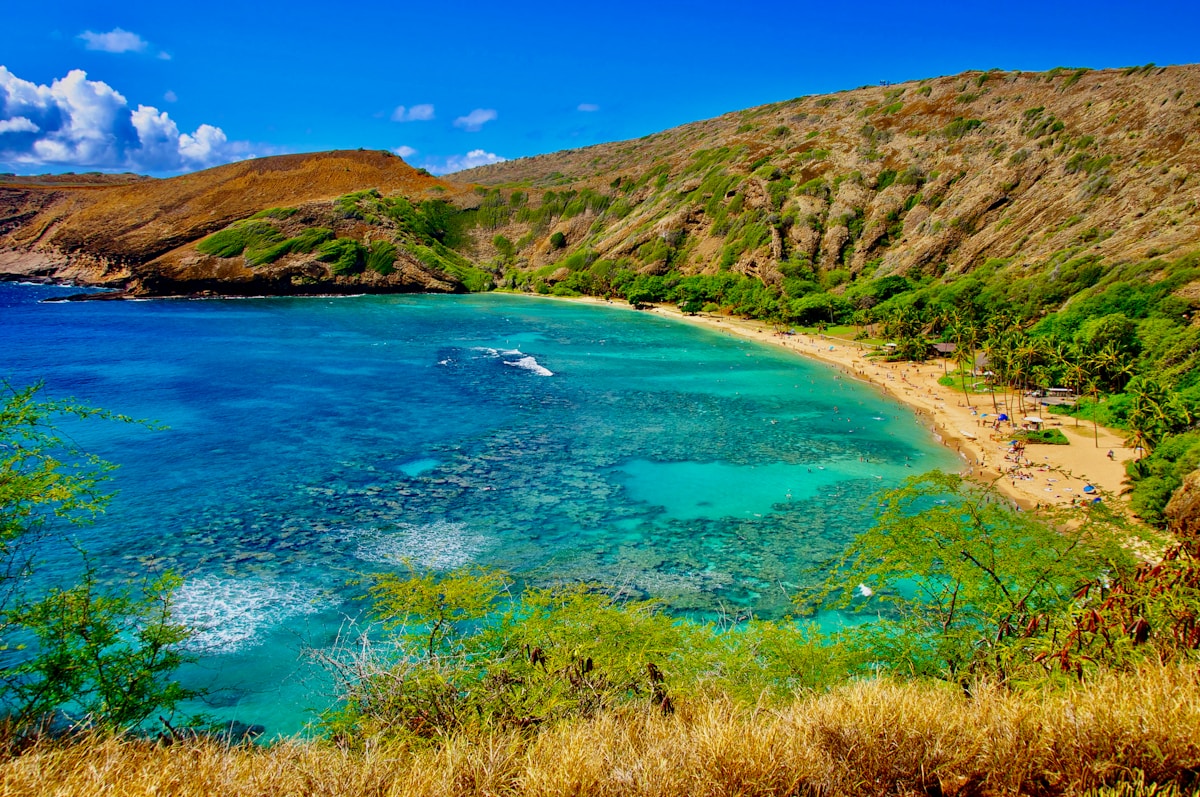
Overview
Maui is the second-largest of the Hawaiian Islands at 727 square miles, formed by two shield volcanoes - the older West Maui Mountains and the dormant Haleakala, which rises to 10,023 feet and dominates the eastern half of the island. The terrain between and around them ranges from bone-dry leeward coast to rainforest receiving over 400 inches of rain per year. That diversity is the source of Maui’s particular appeal: within a single day it is possible to watch sunrise above the clouds, swim beside sea turtles on a reef-fringed beach, and walk through a bamboo forest.
A note on Lahaina: The historic town on the West Maui coast was devastated by wildfire in August 2023. As of 2026, rebuilding is ongoing. Some businesses have reopened, and the broader Kaanapali and Kapalua resort areas were not directly affected. Front Street and the historic district remain largely closed for debris removal and reconstruction. Visitors should check current conditions before planning to spend time in Lahaina specifically, and should approach the area with sensitivity to the community’s ongoing recovery.
Top Attractions
Haleakala National Park - Summit District
Watching sunrise from the 10,023-foot summit crater is the single most popular activity on Maui. Reservations are required for the pre-dawn summit experience (generally 3:00 am to 7:00 am) and sell out weeks in advance at recreation.gov. The park entrance fee is approximately $30 per vehicle as of 2026, valid for three consecutive days and covering both summit and coastal Kipahulu districts. The summit is cold - temperatures regularly drop below freezing even when the coast is warm - so bring a jacket regardless of the time of year. The drive from Kihei takes approximately 1.5 hours. Outside the reservation window, the summit road is open without advance booking and the Sliding Sands Trail descending into the crater is one of the finest hikes in Hawaii (7.4 miles round trip to the crater floor, allow 5–6 hours).
Road to Hana
The Hana Highway (Highway 360) runs 52 miles from Kahului along the northeast coast to the remote town of Hana, crossing 59 bridges and passing waterfalls, black-sand beaches, and jungle on nearly every mile. The drive takes a minimum of 2.5 hours one way without stops; most visitors allow a full day and overnight in Hana. Key stops include Twin Falls (free, easy walk, 2 miles from the highway’s start), the Ke’anae Peninsula (dramatic lava coast, free), Wai’anapanapa State Park (black sand beach, approximately $5 parking reservation required at hawaiistateparks.reserveamerica.com), and the pools at Ohe’o Gulch inside Haleakala National Park’s Kipahulu District (covered by the park entrance fee). Traffic management has introduced a mandatory reservation system for the most crowded section near Kipahulu; check current requirements before visiting.
Ka’anapali Beach
The three-mile crescent of sand north of Lahaina is one of the finest swimming beaches in the state. The water is calm year-round except during rare winter swells. Snorkeling around Black Rock (Pu’u Keka’a) at the north end of the beach produces reliable reef fish encounters and occasional turtle sightings. The beach is flanked by resort hotels but is publicly accessible; street and resort parking costs approximately $5–$15 per day. Whaler’s Village mall sits mid-beach and provides restrooms and food options.
Whale Watching - Channel Waters
The AuAu Channel between Maui, Molokai, and Lanai is the primary North Pacific humpback whale breeding and calving ground. Peak season runs mid-December through mid-April, with January and February producing the highest whale concentrations. Whale watching cruises depart from Ma’alaea Harbor and Lahaina Harbor; a 2-hour sailing costs approximately $50–$80 per adult as of 2026. Shore-based sightings from McGregor Point on the South Maui coast are free and frequently productive from January onward. The Hawaiian Islands Humpback Whale National Marine Sanctuary operates a shore watch station with spotting scopes at the McGregor Point pullout.
Molokini Crater
This crescent-shaped submerged volcanic crater three miles off the South Maui coast hosts some of the clearest water in the Hawaiian Islands - visibility frequently exceeds 150 feet. Morning snorkel tours by catamaran from Ma’alaea Harbor run approximately $70–$120 per adult as of 2026; the trip takes 45 minutes each way. Afternoon winds can make the return uncomfortable. Book early-morning departures and confirm with operators that the Molokini “front wall” (not just the inner bowl) is included.
Getting to Maui
By air: Kahului Airport (OGG) receives direct mainland flights from Los Angeles, San Francisco, Seattle, Portland, Denver, and Phoenix. Flight time from Los Angeles is approximately 5.5 hours. Inter-island connections from Honolulu take about 25 minutes; fares approximately $80–$160 each way as of 2026.
Getting around: A rental car is essential. Maui has no meaningful public transit for visitor destinations. Rates average approximately $70–$130 per day as of 2026. Book in advance - rental inventory tightens significantly in peak season. Highway 30 (the Honoapiilani Highway) connecting Kahului to Ka’anapali congests heavily in the late afternoon; budget 30–60 minutes for what would otherwise be a 20-minute drive.
Where to Stay
Four Seasons Resort Maui at Wailea - The benchmark luxury property on the island, on Wailea Beach on the south coast. Rooms from approximately $900–$1,400 per night as of 2026. Two pools, multiple restaurants, and direct reef access.
Search hotels in Maui Hawaii on Booking.com
Andaz Maui at Wailea Resort - Slightly more contemporary aesthetic than the Four Seasons, same Wailea location. Rooms from approximately $700–$1,100 per night as of 2026.
Travaasa Hana - The only resort in Hana, surrounded by rainforest on the remote eastern tip. Rates from approximately $500–$800 per night as of 2026 including breakfast and selected activities. Essential for anyone doing a proper Road to Hana trip rather than turning back at nightfall.
Aston at Papakea Resort - Condo-style units in Honokowai, between Ka’anapali and Kapalua. More space and kitchen access at lower prices - approximately $200–$350 per night as of 2026. Good value for families and longer stays.
Where to Eat
Mama’s Fish House (Paia) - Polynesian-inspired seafood in a converted 1940s beach house. Reservations book out months in advance. Mains approximately $55–$90 as of 2026. The fish is sourced locally; the menu names the fisherman and the catch location.
Tin Roof (Kahului) - Chef Sheldon Simeon’s fast-casual counter serving Korean-influenced Hawaiian plates - mochiko chicken, garlic noodles, rice bowls. Plates approximately $12–$18 as of 2026. Expect a queue at lunch.
Lineage (Wailea) - Simeon’s more formal sit-down restaurant in the Shops at Wailea. Family-style sharing menu drawing on his Filipino-Hawaiian heritage. Mains approximately $30–$50 as of 2026.
Paia Fish Market - Counter-service fish tacos, plates, and burgers on the North Shore road to Hana. Straightforward, reliable, inexpensive - plates approximately $14–$22 as of 2026.
Best Time to Visit
April through June is the sweet spot - whale season has ended, summer crowds have not yet arrived, hotel rates drop from their winter peaks, and the water is warm. January and February offer the best whale watching but highest prices and the most rain on the north-facing coast. July and August are the busiest months. September through November is the quietest period and offers the best value, with reliably warm water and less traffic on the Road to Hana.
Practical Tips
- The Road to Hana is best driven east-to-west (Kahului to Hana) in the morning to avoid oncoming traffic on the one-lane bridges. Returning the same day means driving back in the afternoon when light is behind you - alternatively, continue around the back road past Hana (Highway 31) if conditions permit; check road closure status at gohana.com before attempting.
- Haleakala summit temperatures average 30–40°F at sunrise. A windproof jacket, gloves, and an extra layer are not optional.
- Maui County has banned single-use plastic bags and prohibits smoking on most beaches.
- Cell coverage is intermittent on the Road to Hana and nonexistent in Hana town with some carriers. Download offline maps before departing.
- Lahaina rebuilding is ongoing as of 2026. Support local businesses where they have reopened, but approach the fire area with respect - the site remains a sensitive location for many Maui residents.
For guided boat trips, snorkelling excursions, and island experiences, browse tours and activities in Maui. Compare flights to the USA - inter-island flights in Hawaii are typically $60–150 per hop if booked ahead. Arrange travel insurance before departure. International visitors can activate a USA eSIM before landing to avoid roaming charges.