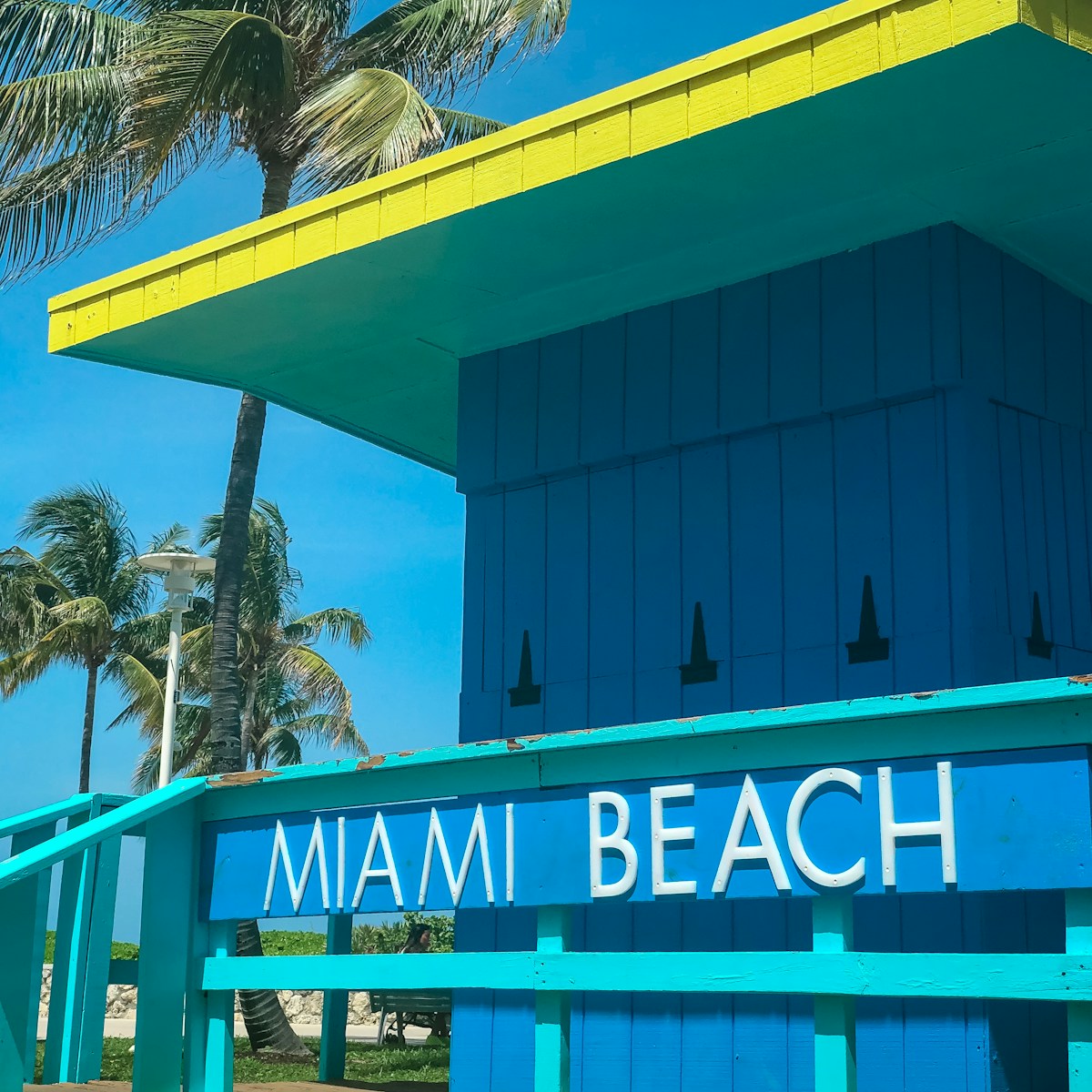
Miami’s emergence as a serious tech and remote work city happened fast - accelerated by the pandemic and the 2021–2022 wave of relocation from New York and San Francisco. The city now has a genuine startup ecosystem, a concentration of Latin American tech companies and investors, and a coworking infrastructure that didn’t exist five years ago. Florida has no state income tax, which is a meaningful advantage. The climate is tropical - hot and humid from May through October, genuinely pleasant from November through April.
The Latin American timezone overlap is real and underrated: Miami operates on Eastern Time, which means early morning calls with Buenos Aires, Bogotá, or Mexico City, and normal business hours that reach far into South America’s afternoon. For nomads with clients or companies across the Americas, Miami’s positioning is hard to replicate.
Coworking Spaces
Wynwood Coworking (2750 NW 3rd Ave, Wynwood) is one of the most visible options in Miami’s tech district. Hot desk memberships run approximately $250–$350/month as of 2026. The Wynwood Arts District location puts you in the middle of Miami’s most active tech and creative cluster, with street art, restaurants, and startup offices within walking distance.
The LAB Miami (400 NW 26th St, Wynwood) has been running since 2012 and is the most established startup coworking community in the city. Monthly hot desks start at approximately $200–$300. The community is tight-knit and event programming is strong.
Pipeline Brickell (1101 Brickell Ave, Brickell) targets finance, legal, and corporate remote workers with a more formal environment. Dedicated desks run approximately $550–$750/month. The Brickell location is ideal for professionals working with financial services clients who expect polished surroundings.
Spaces Brickell City Centre (701 S Miami Ave) offers premium coworking in the heart of Brickell. Hot desks run approximately $400–$550/month. The building has excellent infrastructure and is well-positioned for client meetings.
Regus and WeWork both operate multiple Miami locations including Brickell, downtown, and Coral Gables. Prices vary but WeWork hot desks typically run $400–$600/month across their Miami locations.
Best Cafes with Wifi
Panther Coffee (multiple locations including Wynwood at 2390 NW 2nd Ave and Miami Beach at 1875 Purdy Ave) is Miami’s benchmark specialty roaster. Wifi is consistent, the espresso is serious, and the Wynwood location keeps nomad-friendly hours. Expect to spend approximately $6–$10 per visit.
Vice City Bean (3600 NE 2nd Ave, Design District) has reliable wifi and a neighborhood that’s quieter than Wynwood on weekday mornings. Good single-origin coffee and a relaxed pace that supports longer work sessions.
Cervecería La Tropical (2900 NW 2nd Ave, Wynwood) transitions from cafe to bar across the day. Wifi holds up during morning and early afternoon. The outdoor setting is pleasant in winter months but challenging in summer heat.
Mindful Brew (7301 Biscayne Blvd, Upper East Side/MiMo) is a lower-key option north of the Design District with reliable wifi and a neighborhood that hasn’t been overrun by tourists. Good for focused morning sessions.
KYU Miami (251 NW 25th St, Wynwood) primarily operates as a restaurant but the bar area supports wifi work during lunch hours. Less a daily option, more useful when you need a change of scenery with excellent food.
Average Rent (1-Bedroom)
Miami rents climbed sharply through 2022–2023 and have remained elevated. As of 2026:
- Wynwood / Edgewater: approximately $2,200–$2,900/month
- Brickell: approximately $2,400–$3,400/month
- Miami Beach (South Beach): approximately $2,500–$3,500/month
- Miami Beach (Mid Beach / Surfside): approximately $2,000–$2,800/month
- Little Havana / West of Brickell: approximately $1,600–$2,100/month
- Little Haiti / Upper East Side: approximately $1,500–$2,000/month
Miami is not cheap. The no state income tax advantage partially offsets high rents compared to similar-cost cities in California or New York.
Cost of Living Breakdown (Monthly Estimate)
| Category | Approximate Monthly Cost |
|---|---|
| 1-bed rent (Edgewater) | $2,200–$2,700 |
| Groceries | $400–$600 |
| Eating out (3–4x/week) | $400–$600 |
| Coworking (hot desk) | $250–$450 |
| Transport (car in Brickell reduces need) | $100–$300 |
| Utilities + internet + AC (high in summer) | $200–$350 |
| Total estimate | $3,550–$5,000 |
Air conditioning is a genuine utility cost in Miami - summer months can push electric bills significantly higher than the average. Budget accordingly.
Internet Quality
AT&T Fiber and Xfinity are the primary home internet options. AT&T Fiber is available throughout much of Brickell and Edgewater and offers the most reliable symmetrical speeds. Plans run approximately $60–$90/month for gigabit. Coworking infrastructure across Wynwood and Brickell is strong. Cafe wifi varies - test before committing to client calls.
Visa and Entry
US citizens require no visa. Florida has no state income tax. Foreign nationals working remotely should review US work authorization requirements - tourist visa status does not permit work for US employers.
Search hotels in United States on Booking.com
Neighborhood Recommendations
Wynwood is Miami’s tech nomad district. The coworking density, cafe scene, and startup community are all concentrated here. It’s not residential in the traditional sense - Wynwood has few quiet blocks - but it’s the best base for professional networking. Edgewater, immediately east of Wynwood along the bay, offers quieter residential streets with walkable access to Wynwood coworking.
Brickell suits nomads who prioritize financial district professional access, walkability within the neighborhood, and high-end building amenities. It’s Miami’s densest residential high-rise corridor and functions as a self-contained neighborhood. Less creative, more polished.
Miami Beach (Mid Beach / North Beach) offers the beach lifestyle at slightly lower costs than South Beach. The commute to Wynwood is manageable. For nomads who want beach access as a genuine daily option - not just a tourist attraction - Mid Beach or the Surfside area makes the tradeoff work.
Little Havana is the most affordable option close to the city core. The neighborhood is genuinely authentic, restaurant options are excellent and inexpensive, and the proximity to Brickell is manageable by bike or scooter. Infrastructure is less polished but the cost savings are real.
Miami’s weather between November and April is among the best of any major US city. If you can time a stay around those months, the quality-of-life return on the higher cost of living is hard to argue against.
City Guides
- Miami travel guide
- New York City travel guide
- San Francisco travel guide
- Miami vs Los Angeles - sun city comparison
Stay connected with an eSIM for the USA - essential for working remotely from coffee shops and coworking spaces in Miami. Compare flights to the USA and arrange travel insurance that covers extended stays. Browse guided city tours in Miami for weekends and downtime.