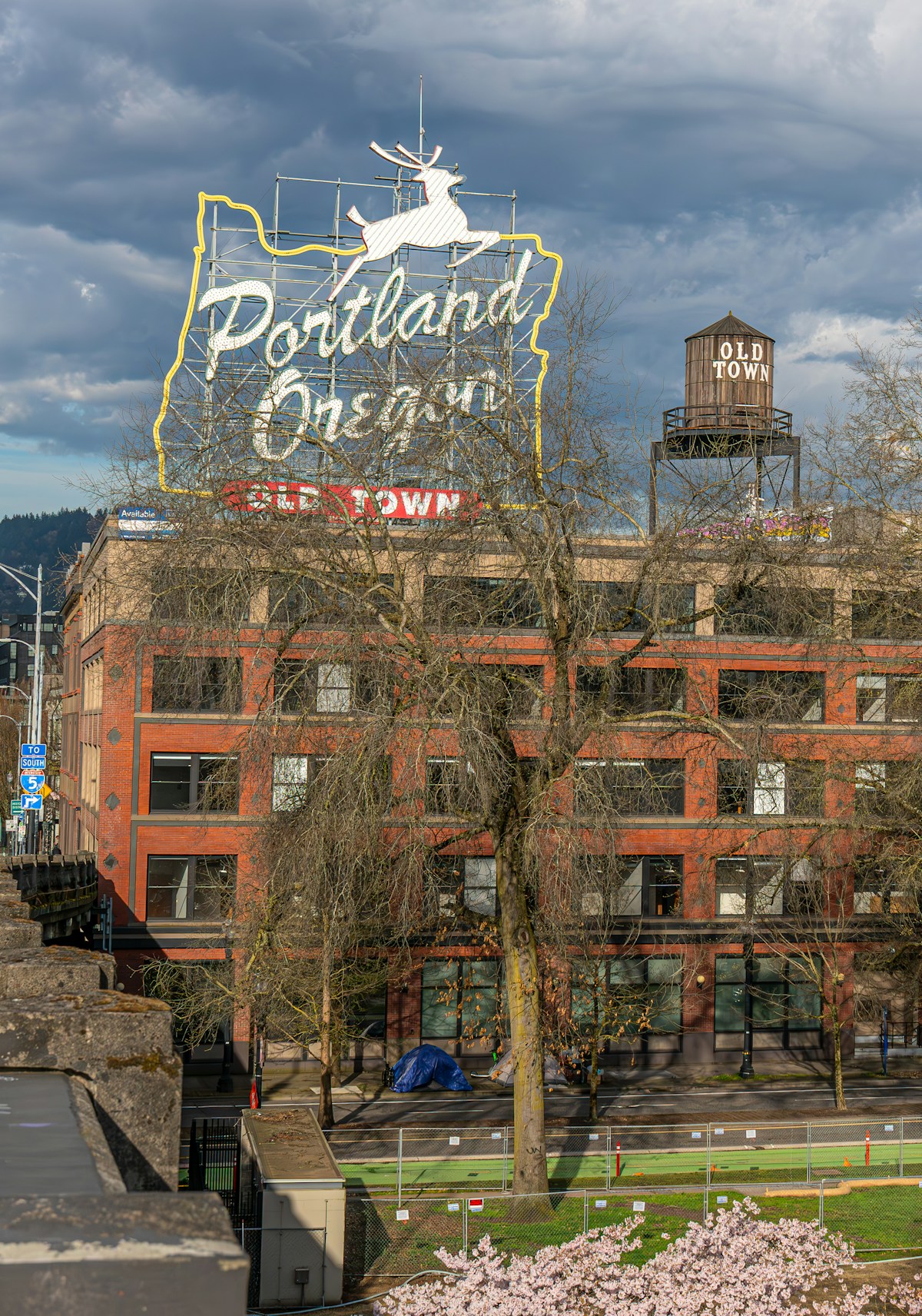
Portland is one of the US cities that genuinely rewards working remotely. The coffee culture is among the best in the country, bookshop culture is real (Powell’s City of Books is a working library, not a tourist attraction), outdoor access is immediate, and rent is meaningfully lower than Seattle or San Francisco. The caveats: Oregon has one of the highest state income tax rates in the country (up to 9.9% on income over $125,000), and Portland’s downtown has faced persistent challenges since 2020 that have shifted the nomad center of gravity toward the Pearl District and East Side neighborhoods.
Search hotels in United States on Booking.com
The city gets significant rainfall from October through May. If you’re planning a summer base, Portland is hard to beat. Year-round, you need to factor for overcast mornings and plan for indoor work infrastructure accordingly.
Coworking Spaces
Centrl Office (multiple Portland locations including Pearl District at 1355 NW Everett St and East Side at 3 SE 3rd Ave) is Portland’s most established coworking chain. Hot desk memberships run approximately $200–$325/month as of 2026. The Pearl District location is the strongest option - quiet, well-designed, and centrally positioned for both Pearl and Northwest neighborhoods.
Open Coworks (1234 SW Morrison St) operates a more affordable, cooperative-model coworking space in the West End. Monthly hot desks start at approximately $100–$180. Less polished infrastructure but genuine value for budget-conscious nomads.
Collective Agency (923 SW Yamhill St) is another cooperative-style coworking option near downtown. Pricing starts around $150/month for part-time access. Community-oriented with a smaller membership that creates genuine collegial relationships.
WeWork Portland (1455 NW Irving St, Pearl District) offers premium coworking in the heart of the Pearl. Hot desks run approximately $400–$550/month - premium pricing for Portland, but the building infrastructure and meeting room access justify it for client-facing work.
NedSpace (the original Portland coworking pioneer, now integrated into other spaces) - several of Portland’s smaller coworking operations trace their lineage here. The culture of Portland coworking tends toward community over corporate.
Powell’s Books deserves mention not as a coworking space but as a working library. The Orange Room and Coffee Room at the flagship store (1005 W Burnside St) function as de facto coworking nooks - large tables, good natural light, and the ambient concentration that bookshops provide. Wifi is available. No membership required, though purchasing coffee or books is the social contract.
Best Cafes with Wifi
Stumptown Coffee Roasters (multiple locations including the original at 4525 SE Division St and the downtown location at 128 SW 3rd Ave) is Portland’s most exported coffee brand, but the original Division Street location remains the best for laptop work - spacious, reliable wifi, and the neighborhood foot traffic provides pleasant background energy without becoming overwhelming.
Water Avenue Coffee (1028 SE Water Ave, Central Eastside) is a roaster-cafe hybrid with excellent wifi, industrial warehouse space that creates genuinely comfortable working conditions, and proximity to the Central Eastside’s coworking and creative district.
Coava Coffee Roasters (1300 SE Grand Ave) operates in a converted hazelnut processing facility with soaring ceilings and long communal tables. One of Portland’s best physical spaces for work. The wifi is strong and the coffee quality is among the city’s highest.
Heart Coffee Roasters (537 SW 12th Ave, West End) suits nomads based in the Pearl or NW Portland. Small, focused, and consistently good. Wifi is reliable for morning work sessions.
Proud Mary (2012 NE Alberta St, Alberta Arts District) is an Australian-owned cafe that’s become a Portland institution. Strong wifi, excellent brunch food, and a neighborhood that’s genuinely pleasant for a full working day. The Alberta Arts District has emerged as one of Portland’s more livable nomad corridors.
Average Rent (1-Bedroom)
Portland rents have softened from their 2022 peak and offer genuine value compared to Seattle or San Francisco. As of 2026:
- Pearl District: approximately $1,700–$2,300/month
- Northwest Portland / Nob Hill: approximately $1,500–$2,000/month
- Alberta Arts District / NE Portland: approximately $1,300–$1,700/month
- Division Street / SE Portland: approximately $1,200–$1,600/month
- Central Eastside / Inner SE: approximately $1,300–$1,800/month
- Hawthorne / Belmont: approximately $1,200–$1,600/month
SE Portland’s Division Street corridor and the Alberta Arts District offer the best value for nomads who want neighborhood character, cafes, and lower rents.
Cost of Living Breakdown (Monthly Estimate)
| Category | Approximate Monthly Cost |
|---|---|
| 1-bed rent (SE Portland) | $1,300–$1,700 |
| Groceries | $350–$500 |
| Eating out (3–4x/week) | $300–$450 |
| Coworking (hot desk) | $180–$325 |
| Transport (bike + transit viable) | $50–$150 |
| Utilities + internet | $130–$180 |
| Total estimate | $2,310–$3,305 |
Portland is one of the most bikeable major US cities - the infrastructure is genuinely good and many nomads use bikes as primary transport for cafe-to-coworking routes.
Oregon Income Tax Note
Oregon’s income tax is progressive with a top marginal rate of 9.9% on taxable income over $125,000 (single filer) as of 2026. Rates begin at 4.75% on income up to $17,400. For nomads billing high freelance income, this is a significant factor - Washington State (Seattle) has no state income tax and is a common alternative consideration. Oregon has no sales tax, which partially offsets costs on daily purchases.
Internet Quality
Xfinity and CenturyLink (Lumen/Quantum Fiber) are the primary providers. Comcast Xfinity gigabit plans cover most Portland zip codes at approximately $60–$80/month. Quantum Fiber is available in parts of the city. Coworking spaces consistently offer gigabit connections. Portland’s cafe wifi is generally strong - the city’s coffee culture has created an expectation of working-friendly environments.
Visa and Entry
US citizens require no visa. Oregon has no sales tax but carries one of the higher state income tax rates in the country. Foreign nationals should review standard US work authorization requirements.
Neighborhood Recommendations
Pearl District is Portland’s premium urban neighborhood - walkable, well-maintained, with the highest coworking density and immediate access to NW Portland’s restaurant strip. It’s the choice for nomads who want the full urban package and can justify the higher rent.
Alberta Arts District (NE Portland) has emerged as the most livable neighborhood for creative nomads. Lower rents, excellent cafes and restaurants, walkable within the neighborhood, and a community that values independent businesses. The trade-off is distance from downtown coworking - a bike commute or short transit ride required.
Division Street / SE Division is SE Portland’s most active food and cafe corridor, running through multiple neighborhoods (Richmond, Woodstock, Clinton). Lower rents, excellent food, strong bike infrastructure, and a more residential feel than the Pearl.
Hawthorne / Belmont is one of Portland’s original bohemian corridors. More established and slightly quieter than Alberta, with excellent bookshops (the Hawthorne Powell’s annex is here), cafes, and a walkable neighborhood character.
Portland rewards nomads who embrace the pace of the city - slower, more deliberate, less performatively ambitious than New York or San Francisco. If that aligns with your working style, the combination of low rent, excellent coffee, and immediate outdoor access (Columbia River Gorge and Mount Hood both reachable in under an hour) makes it one of the better US bases.
City Guides
Stay connected with an eSIM for the USA - essential for working remotely from coffee shops and coworking spaces in Portland. Compare flights to the USA and arrange travel insurance that covers extended stays. Browse guided city tours in Portland for weekends and downtime.