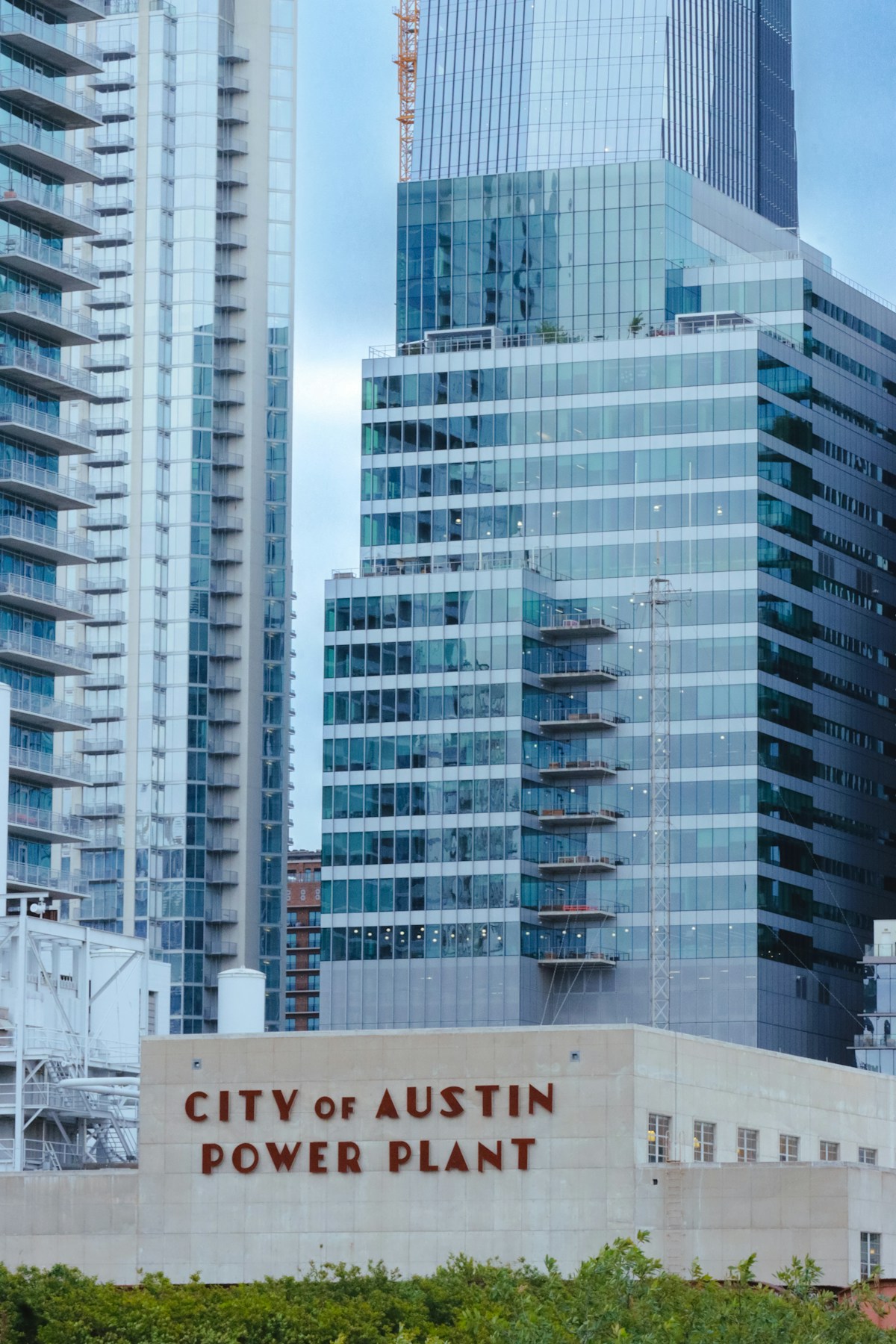
Austin has become one of the most attractive cities for digital nomads in the US. Lower costs than San Francisco or New York, a genuine tech and startup ecosystem, a warm climate most of the year, and a music culture that makes weeknight entertainment feel effortless. The city also sits in Texas - no state income tax, which matters if you’re billing serious freelance income.
Coworking Spaces
Capital Factory (701 Brazos St, downtown) is Austin’s flagship startup coworking hub. Hot desk memberships run approximately $350–$450/month as of 2026. The community skews toward founders and product people, and the building hosts frequent pitch nights and networking events. If you’re doing client-facing work or building a startup, the network value alone justifies the price.
East 6th Coworking - the East 6th Street corridor has several boutique coworking options including WeWork at 600 Congress Ave and Industrious Austin at the Domain. Industrious dedicated desks run approximately $500–$650/month but include amenities like phone booths, conference rooms, and professional reception. Good for contractors who need client meetings.
Vuka (multiple locations including 1023 Springdale Rd in East Austin) targets freelancers and creatives. Monthly memberships start at approximately $200–$300 for hot desks. The East Austin location has a relaxed atmosphere without the startup pitch culture of downtown coworking.
MassChallenge Texas (501 Congress Ave) operates coworking alongside its accelerator - if you’re building something, this is worth exploring for community access even if you don’t join the program formally.
Best Cafes with Wifi
Patika (2159 S Lamar Blvd) is the benchmark South Lamar cafe for remote workers - strong wifi, good espresso, seating that doesn’t feel rushed. Arrive before 10am to get a table with an outlet. Budget approximately $6–$10 per visit.
Radio Coffee & Beer (4204 Menchaca Rd) operates outdoors across a large lot in South Austin. The wifi holds up reasonably well for calls, the beer garden is genuinely enjoyable in cool weather, and the food trucks parked on site handle lunch. Unusual and worth knowing about.
Cosmic Coffee + Beer Garden (121 Pickle Rd, South Austin) follows the same outdoor-meets-cafe model. Large shaded spaces, strong wifi for the outdoor setting, and the atmosphere keeps focus surprisingly easy.
Mozart’s Coffee Roasters (3825 Lake Austin Blvd) overlooks Lake Austin and is one of the better views available from a laptop chair in the city. Wifi is solid, but arrive early - the lakeside seats fill fast on weekday mornings.
For downtown work sessions, Merit Coffee (100 Congress Ave and multiple locations) is the most reliable option for consistent wifi speed and comfortable seating.
Average Rent (1-Bedroom)
Austin rent has pulled back from its 2022–2023 peak but remains elevated compared to pre-pandemic levels. As of 2026:
- East Austin / East 6th: approximately $1,500–$2,000/month
- South Congress / South Lamar: approximately $1,600–$2,100/month
- Downtown / Rainey Street: approximately $1,800–$2,500/month
- North Loop / Hyde Park: approximately $1,300–$1,700/month
- Domain area (north Austin): approximately $1,400–$1,900/month
Compared to San Francisco (where comparable neighborhoods run $2,800–$3,800) or NYC ($2,500–$3,500 for Manhattan or prime Brooklyn), Austin is meaningfully cheaper - especially factoring in the zero state income tax.
Cost of Living Breakdown (Monthly Estimate)
| Category | Approximate Monthly Cost |
|---|---|
| 1-bed rent (East Austin) | $1,600–$2,000 |
| Groceries | $350–$500 |
| Eating out (3–4x/week) | $300–$500 |
| Coworking (hot desk) | $200–$450 |
| Transport (car recommended) | $150–$300 fuel/insurance |
| Utilities + internet | $150–$200 |
| Total estimate | $2,750–$3,950 |
Austin is a car city. Public transit exists (CapMetro) but won’t replace a car for most neighborhoods. Factor in either car ownership or high rideshare costs.
Internet Quality
Home internet via Spectrum, AT&T Fiber, or Google Fiber reaches most Austin zip codes. AT&T Fiber is the most consistent option at 1Gbps plans for approximately $70–$90/month. Google Fiber covers a growing portion of the city. Coworking spaces universally offer gigabit connections. Cafe wifi is variable - test speed with Fast.com before settling in for a video call.
Visa and Entry
US citizens require no visa to live and work anywhere in the US. Texas has no state income tax. If you’re a foreign national, standard US work authorization rules apply - the B1/B2 tourist visa does not permit work for US clients.
Neighborhood Recommendations
East Austin (78702) is the top pick for nomads who want walkability, good cafes, and proximity to the coworking belt along East 6th. The neighborhood has independent restaurants, live music venues, and a community feel without being as tourist-heavy as 6th Street proper.
South Congress / South Lamar offers a slightly quieter, more residential feel with excellent cafes and restaurants. It’s the choice if you prioritize outdoor patio working and don’t need to be near downtown coworking hubs.
Hyde Park (north of UT campus) is one of Austin’s older residential neighborhoods with lower rents, good walkability within the neighborhood, and a quieter working environment. Less trendy but underrated for actual productivity.
The Domain (north Austin) suits nomads who want a more suburban feel with access to major tech employers (Apple, Amazon, Google all have offices nearby). Coworking at the Domain Northside complex is abundant.
Austin’s growth has strained infrastructure - traffic on I-35 and MoPac is genuinely poor during peak hours. Plan your commute to coworking spaces accordingly, or live within cycling distance.
City Guides
- Austin travel guide
- New York City travel guide
- San Francisco travel guide
- Nashville vs Austin - which music city?
Stay connected with an eSIM for the USA - essential for working remotely from coffee shops and coworking spaces in Austin. Compare flights to the USA and arrange travel insurance that covers extended stays. Browse guided city tours in Austin for weekends and downtime.