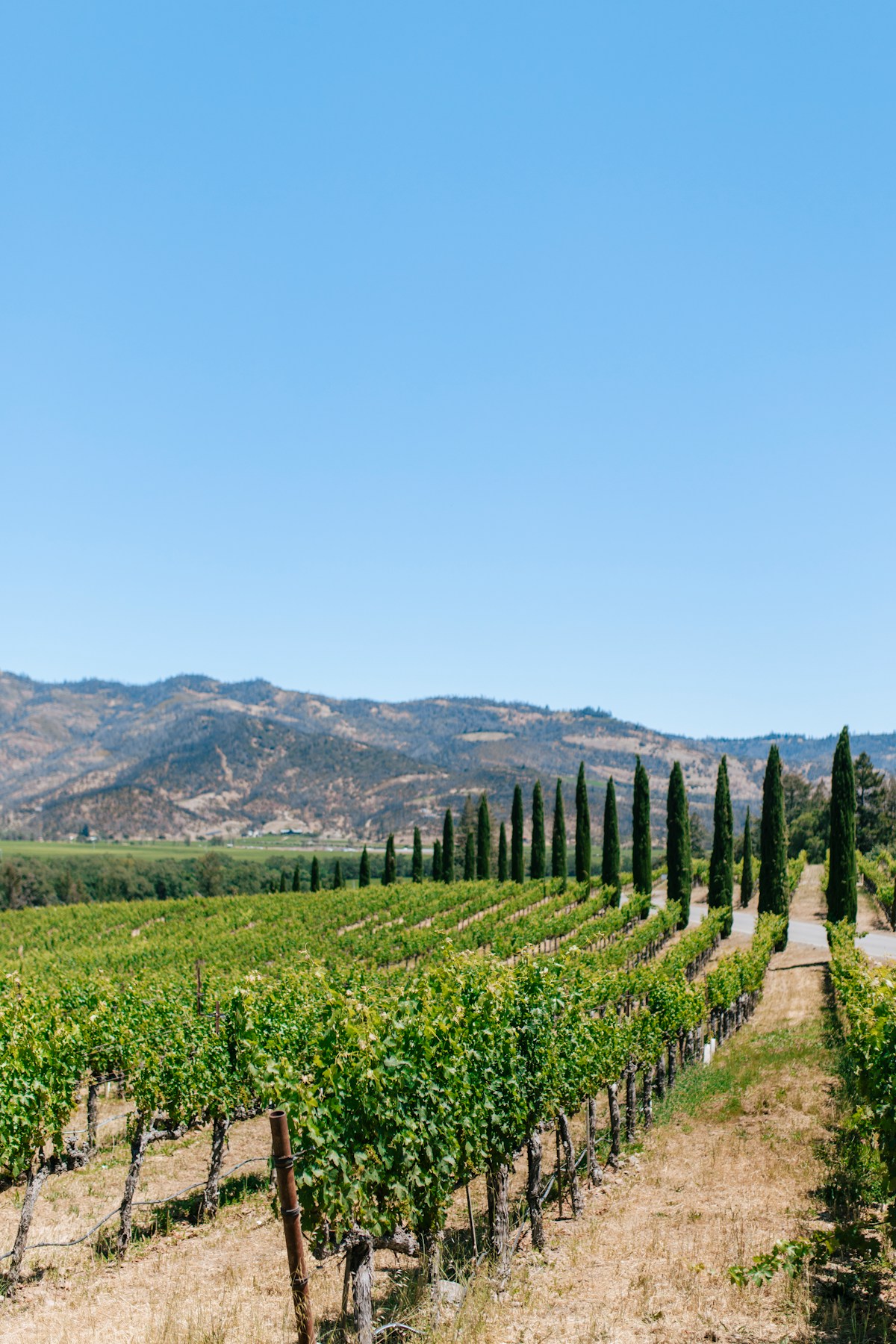
Napa Valley and Sonoma County together form one of the world’s most concentrated fine wine regions - 30 miles of valley floor in Napa alone, flanked by the Mayacamas and Vaca mountain ranges. The region produces wines that compete directly with Burgundy, Bordeaux, and Tuscany, and the tasting room infrastructure to match: estate visits, Michelin-starred restaurants, and balloon flights over the vineyards at sunrise.
This is expensive wine country by any standard. Budget accordingly, plan in advance, and choose your wineries deliberately - there are over 900 producers in Napa Valley alone, and without a plan you’ll spend more time driving between appointments than tasting.
Understanding Napa Valley AVAs
Napa Valley is divided into 16 American Viticultural Areas (AVAs), each with distinct soil and climate characteristics. For visitors, the most important distinction is between the southern valley (Carneros, Yountville, Oakville, Rutherford) and the upper valley (St. Helena, Calistoga).
The southern valley is cooler, with morning fog from San Pablo Bay moderating temperatures. Carneros produces excellent Chardonnay and Pinot Noir. Oakville and Rutherford - the heart of the valley - are where most of Napa’s legendary Cabernet Sauvignon comes from. These appellations have the heaviest concentration of visitor infrastructure.
The upper valley (St. Helena, Calistoga) runs hotter and more remote. Calistoga is known for Cabernet and the natural hot springs that make it a spa destination as well as wine country.
Top Wineries in Napa Valley
Opus One (7900 St Helena Hwy, Oakville) is the joint venture between Robert Mondavi and Baron Philippe de Rothschild - a Bordeaux-style Cabernet Sauvignon that regularly ranks among California’s finest. The tasting experience is formal and structured: a single tasting of the current release costs approximately $75–$100 per person as of 2026. Reservations required.
Beringer Vineyards (2000 Main St, St Helena) is Napa’s oldest continuously operating winery (since 1876). The Rhine House estate is architecturally stunning, the history is genuine, and tasting fees are more reasonable than many Napa wineries - approximately $40–$70 depending on tier. A good entry point for first-time visitors.
Stag’s Leap Wine Cellars (5766 Silverado Trail, Napa) won the 1976 Paris Tasting (the “Judgment of Paris”) that put California wine on the world map. A Cabernet tasting runs approximately $60–$100. The winery is pilgrimage-worthy for wine history alone.
Cakebread Cellars (8300 St Helena Hwy, Rutherford) produces Napa’s most requested restaurant Chardonnay. Tasting approximately $75 per person; reservations required well in advance.
Joseph Phelps (200 Taplin Rd, St Helena) is where Insignia - California’s most celebrated Meritage - is made. The terrace views over the valley are exceptional. Tastings run approximately $100–$150; the Insignia flight is higher. Reservations essential.
Domaine Carneros (1240 Duhig Rd, Napa) in the southern Carneros AVA is Napa’s best sparkling wine producer - owned by the Taittinger family of Champagne. The chateau-style building looks out over the vineyards, and the Brut sparkling wine tasting starts at approximately $50–$60. One of the more accessible and photogenic tasting experiences.
Sonoma Wine Country
Sonoma County sits west of Napa Valley across the Mayacamas Mountains. It’s larger, more varied, and generally more relaxed. Where Napa runs formal appointments and high fees, Sonoma wineries often welcome walk-ins and charge significantly less.
Dry Creek Valley (near Healdsburg) specializes in Zinfandel - old-vine Zins from dry-farmed hillside vineyards. Ridge Vineyards’ Lytton Springs (650 Lytton Springs Rd) and Quivira Vineyards are standouts. Tasting fees in Dry Creek typically run $30–$60.
Russian River Valley (between Santa Rosa and Guerneville) produces Pinot Noir and Chardonnay in a cooler, fog-influenced climate. Williams Selyem (7227 Westside Rd, Healdsburg), Rochioli Vineyards, and Merry Edwards Winery are the benchmarks - all require reservations and have waitlists for allocations.
Sonoma Valley (Sonoma Town) is the accessible entry point to Sonoma wine country. The historic town plaza has tasting rooms within walking distance. Benziger Family Winery (1883 London Ranch Rd) offers a tractor-pulled tram tour through the biodynamic estate that’s excellent for visitors who want context as well as wine - approximately $35–$45 for the tour.
Hot Air Balloon Rides
Napa Valley balloon flights have become one of the region’s signature experiences - launching at dawn before the valley winds pick up, floating over vineyard rows with views to the bay on clear mornings. Flights typically last 60 minutes in the air.
Napa Valley Aloft (6525 Washington St, Yountville) is the most established operator. Flights depart at sunrise (time varies seasonally); the experience includes a post-flight sparkling wine and pastry breakfast. Cost approximately $280–$320 per person as of 2026.
Balloons Above the Valley has operated for decades and has a strong safety record. Similar pricing to Napa Valley Aloft. Book 2–4 weeks ahead in peak season (September–October) - flights are weather-dependent and often cancelled on short notice, so confirm with operators about their cancellation and rebooking policy.
Budget note: balloon rides are a genuine splurge. For a couple, add $560–$640 before breakfast. It’s spectacular, but so is sunrise over the valley from a hilltop winery.
Michelin-Starred Dining
Napa Valley has one of the highest concentrations of Michelin stars per square mile in the US. Reservations at the top restaurants require weeks or months of advance booking.
The French Laundry (6640 Washington St, Yountville) holds three Michelin stars and is among the most celebrated restaurants in the US. Thomas Keller’s nine-course tasting menu runs approximately $380–$450 per person before wine, tax, and gratuity as of 2026. Reservations open 60 days in advance at midnight - they’re gone within minutes.
Restaurant at Meadowood (900 Meadowood Ln, St Helena) - three Michelin stars. The tasting menu features local produce and wine pairings in a more intimate, forested setting than The French Laundry. Approximately $350–$400 per person.
Bouchon Bistro (6534 Washington St, Yountville) is Thomas Keller’s more accessible French bistro - same ownership as The French Laundry, easier to book, and better value. Steak frites, moules, and a wine list that punches above the price point. Budget approximately $60–$90 per person for dinner.
Bottega (6525 Washington St, Yountville) from Michael Chiarello serves elevated Italian-California cuisine. Reservations recommended; approximately $55–$80 per person for dinner. Good option for groups who can’t all agree on a single cuisine.
When to Visit
Harvest Season (September–October) is peak Napa. Crush operations fill the valley with fermentation smells (deeply pleasant, like fresh juice). Vineyard workers pick around the clock when conditions are right. Accommodation prices peak; book 4–6 months in advance for harvest weekends. The Napa Valley Wine Auction in June and the Harvest Festival events draw large crowds.
May–June offers warm weather (70–85°F / 21–29°C), lush green vines in the growing season, and significantly fewer crowds than fall. Hotel prices are 20–30% lower. Our recommended timing for first-time visitors who want the full valley experience without peak-season crowds.
Winter (December–February) is the value season. Vines are dormant and bare - less visually dramatic, but winery tours often go deeper into the cellars and barrel rooms when harvest pressure is off. Hotel prices drop 30–40%; you can book a room at a Yountville property for rates that would be impossible in October. Rain is possible, particularly in January–February.
Summer (July–August) is popular but hot - temperatures in Calistoga can exceed 100°F (38°C). The southern valley (Carneros, Yountville) stays cooler. If visiting in summer, plan morning winery visits before 1pm and afternoons at the pool or in air-conditioned tasting rooms.
Where to Stay
Yountville is the most convenient base - walkable to four Michelin-starred restaurants, a dozen tasting rooms, and central to the Oakville/Rutherford AVAs.
- Bardessono (6526 Yount St) - four-star resort with a spa. Approximately $600–$900+/night in peak season.
- Villagio Inn & Spa (6481 Washington St) - comfortable Mediterranean-style property with a spa. Approximately $350–$550/night.
Where to stay in Napa Valley - full hotel guide by town
St. Helena has a charming main street with good restaurants and is closer to the upper valley wineries.
- Meadowood Napa Valley (900 Meadowood Ln) - a full resort with 40 cottages spread across a wooded estate. Approximately $800–$1,500+/night.
- El Bonita Motel (195 Main St) - a classic 1950s motel that’s clean, affordable, and well-located. Approximately $180–$280/night.
Calistoga at the northern end of the valley has a more relaxed feel and excellent spa options using the natural mineral hot springs.
- Indian Springs Calistoga (1712 Lincoln Ave) - historic property with a geothermal pool. Approximately $400–$700/night.
- Mount View Hotel & Spa (1457 Lincoln Ave) - a more affordable option with a good spa. Approximately $200–$350/night.
Getting Around
A car is essential for visiting multiple wineries across the valley. That said, driving after tasting at 4–5 wineries is dangerous and inadvisable. Options:
- Hire a driver or join a tour: Full-day private driver services run approximately $300–$500 for a vehicle. Worth it for a group of 4+ splitting costs.
- Wine tour operators: Napa Valley Wine Tours and similar operators run minibus itineraries from $150–$200 per person for a full day with 3–4 winery visits.
- Napa Valley Wine Train: The historic train runs from Napa Town to St. Helena with on-board dining and wine service - approximately $150–$200 per person for lunch or dinner. A self-contained experience rather than a transport solution for visiting multiple wineries.
- Cycling: The Napa Valley Vine Trail is a paved cycling path running 12.5 miles between Napa and Yountville. E-bikes are available to rent from several locations in Napa and Yountville (approximately $60–$90/day) and make the southern valley accessible without driving.
Practical Notes
Tasting appointments: Most well-known Napa wineries now require advance reservations, sometimes weeks ahead. Walk-in tastings are becoming rare. Book your top choices before the trip.
Designated driver or sober option: Nearly every winery can pour non-alcoholic grape juice or will provide water and cheese plates for designated drivers who aren’t tasting. Most are gracious about it - ask upfront.
Purchasing wine: Shipping wine home is legal in most US states but costs $20–$40+ per box. Many wineries offer wine club memberships with shipping discounts. Check your state’s import rules before ordering.
Grocery and picnic: Oakville Grocery (7856 St Helena Hwy, Oakville) has been selling picnic provisions to wine country visitors since 1881. A cheese, charcuterie, and bread selection plus a bottle from a nearby winery makes for an exceptional afternoon on a winery’s lawn (ask permission first - not all wineries allow outside food).
Browse wine tours and experiences in the Napa Valley and San Francisco Bay Area. Car hire in the USA gives you the flexibility to explore Napa and Sonoma at your own pace, though many visitors prefer guided wine tours where driving is handled for you. Compare flights to San Francisco and arrange travel insurance.