The United States runs almost entirely on the US dollar, and the good news for visitors is that it’s one of the most card-friendly countries in the world. You can travel for weeks without touching cash - but understanding a few local quirks around ATM fees, tipping, and currency exchange will save you money and frustration before you land.
The US Dollar: Denominations at a Glance
The official currency is the United States dollar (USD, symbol $). One dollar equals 100 cents.
Coins in circulation:
- Penny - 1 cent (copper-coloured, commonly received as change but rarely useful)
- Nickel - 5 cents
- Dime - 10 cents (smallest coin by size, easy to overlook)
- Quarter - 25 cents (the most useful coin - laundromats, parking meters, vending machines)
- Dollar coin - $1 (rare in everyday circulation but appears in some transit systems)
Banknotes you’ll encounter:
- $1, $5, $10, $20, $50, $100
The $20 is the standard ATM denomination in the US. The $100 note is legal tender but occasionally met with suspicion at small businesses - some convenience stores and diners won’t accept them, particularly late at night. The $50 is broadly accepted. There are also $2 bills in circulation, though they’re uncommon enough that some cashiers treat them as novelties.
All US banknotes are the same size regardless of denomination - unlike many currencies. New visitors often need a moment to distinguish them; check the corner number rather than the colour or size.
Where to Exchange Currency
Best option: Use an ATM on arrival. US ATMs (especially those at major bank branches - Chase, Bank of America, Wells Fargo, Citibank) offer near-interbank exchange rates and are available at every airport, train station, and urban neighbourhood.
What to avoid:
- Airport currency exchange kiosks (Travelex and similar): mark-ups of 8–12% are common. Fine for a small emergency float; not for a week’s spending money.
- Hotel reception desks: even worse rates, often with a service fee on top.
- Currency you ordered at home: rates from foreign banks are often uncompetitive, and you’re left holding dollars you can’t return easily.
If you arrive outside banking hours and need cash immediately, withdraw from any bank ATM in the arrivals hall - even with the fees, the rate is better than a kiosk. Set a withdrawal amount of $200–300 to amortise the flat transaction fee.
ATMs: Availability and Fees
ATMs are genuinely everywhere in the USA. Every bank branch has one, most convenience stores (7-Eleven, CVS, Walgreens) have standalone units, and shopping malls typically have several.
Fee structure to expect:
- ATM operator surcharge: $3–5 for non-customers using a major bank ATM. Standalone ATMs in bars and casinos often charge $4–8.
- Your home bank’s international fee: typically 1–3% of the withdrawal amount, sometimes a flat fee. Check before you travel.
- Dynamic currency conversion (DCC): if the ATM asks whether you’d like to pay in your home currency, always decline and choose to pay in USD. DCC locks in an inflated rate chosen by the ATM operator.
Reducing ATM fees:
- Withdraw larger amounts less frequently (one $300 withdrawal beats three $100 ones).
- Consider a travel-focused card before departure: Charles Schwab (US residents), Wise, or Revolut typically reimburse ATM fees and waive foreign transaction charges.
- Some US banks, including Allpoint network ATMs (often inside CVS and Target stores), are fee-free for certain account holders.
Card Acceptance in the USA
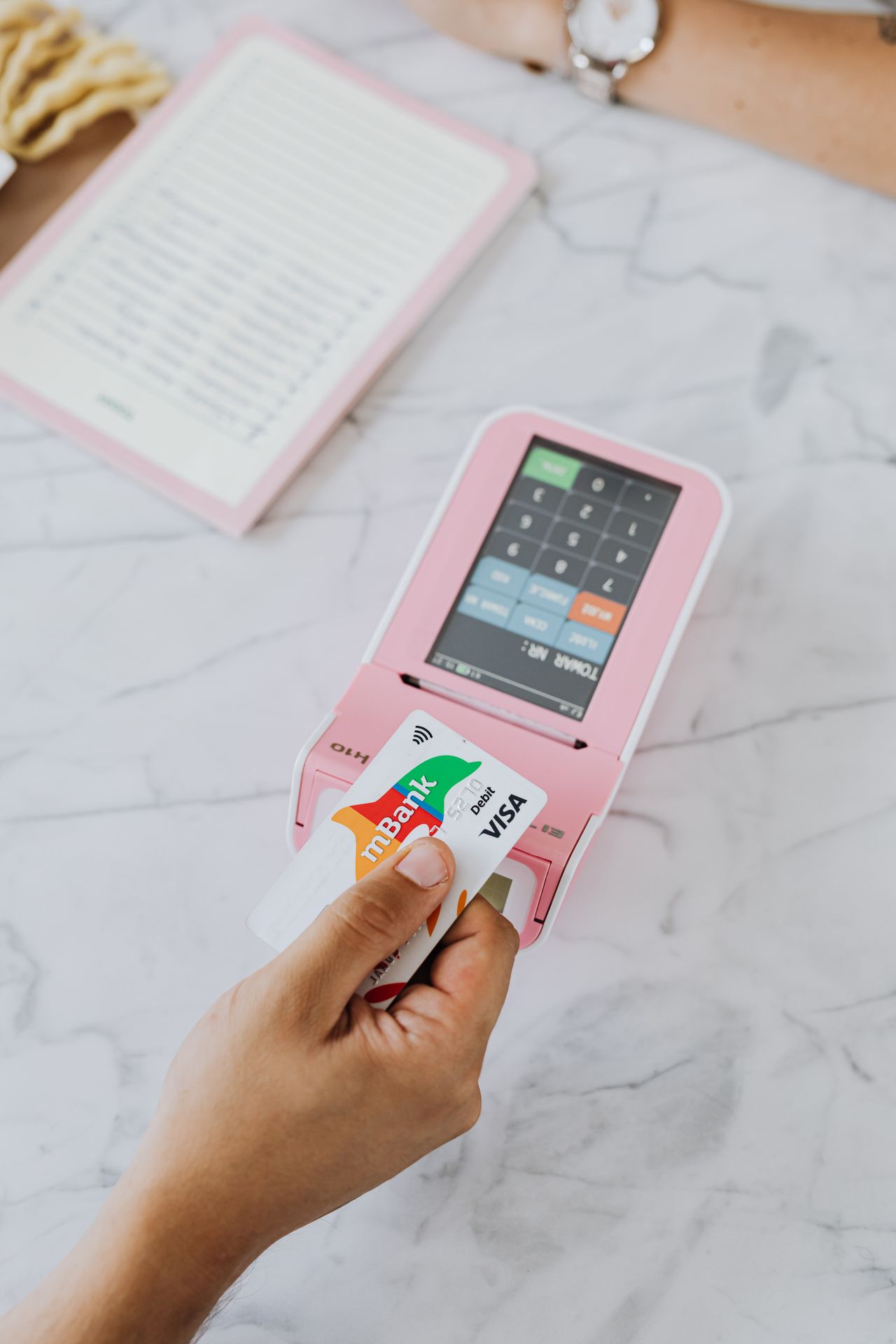
The USA is extremely card-friendly. Visa and Mastercard are accepted at virtually every restaurant, hotel, gas station, grocery store, and retailer. American Express is accepted at most mid-to-large businesses but occasionally declined at independent diners and small shops. Discover is US-centric and not relevant for international visitors.
Contactless payments (tap-to-pay) are now standard across the country. Apple Pay and Google Pay are widely accepted at chain retailers, pharmacies, transit systems, and coffee shops - often faster than swiping.
Situations where cards are still less common:
- Some farmers markets and flea markets are cash-only (though many have switched to Square readers)
- Certain food trucks, especially at smaller events
- Some parking meters and toll booths (though most have gone cashless)
- Smaller diners and breakfast spots in rural areas
A practical rule: if a business has more than five tables or a regular storefront, it almost certainly takes cards.
Gas stations: you’ll be asked for a zip code at the pump if paying by card. Foreign cards typically don’t have a US zip code on file - tap-to-pay bypasses this, or simply go inside and pay at the counter before pumping.
Tipping Norms
Tipping in the USA is effectively a wage supplement, not a bonus. At sit-down restaurants, 18–20% is expected as a baseline - servers often earn below minimum wage with the expectation that tips make up the difference. At bars, $1–2 per drink. For rideshares and taxis, 10–15% is standard. Hotel housekeeping, $2–5 per night.
For a full breakdown of who to tip, how much, and how to handle the tip screen, see our tipping guide for the USA.
Cash vs Card: Our Recommendation
Use your card for almost everything. The US credit card infrastructure is excellent, acceptance is near-universal, and you’ll earn rewards or avoid currency conversion losses depending on your card.
Keep $60–100 in small bills ($1s, $5s, $10s) for:
- Restaurant tips when paying by card but tipping in cash (preferred by many servers, as cash tips are immediate)
- Markets, food trucks, and pop-up vendors
- Taxis (medallion cabs still prefer cash in some cities)
- Any cash-only establishment you encounter
Withdraw $200–300 from a bank ATM on arrival and replenish as needed. That buffer handles most cash-only situations without you carrying a wallet full of notes through the trip.
If your home bank charges high foreign transaction fees, consider loading a Wise or Revolut card before travel. Both convert at real mid-market rates and give you a physical card that works everywhere in the USA.
A Note on Sales Tax
Prices on US menus and price tags almost never include tax. Sales tax is added at the register and varies by state - from 0% (Oregon, Montana, New Hampshire) to around 10% in some cities when state and local taxes are combined. Budget an extra 8–10% on most purchases in major cities, on top of the price displayed.