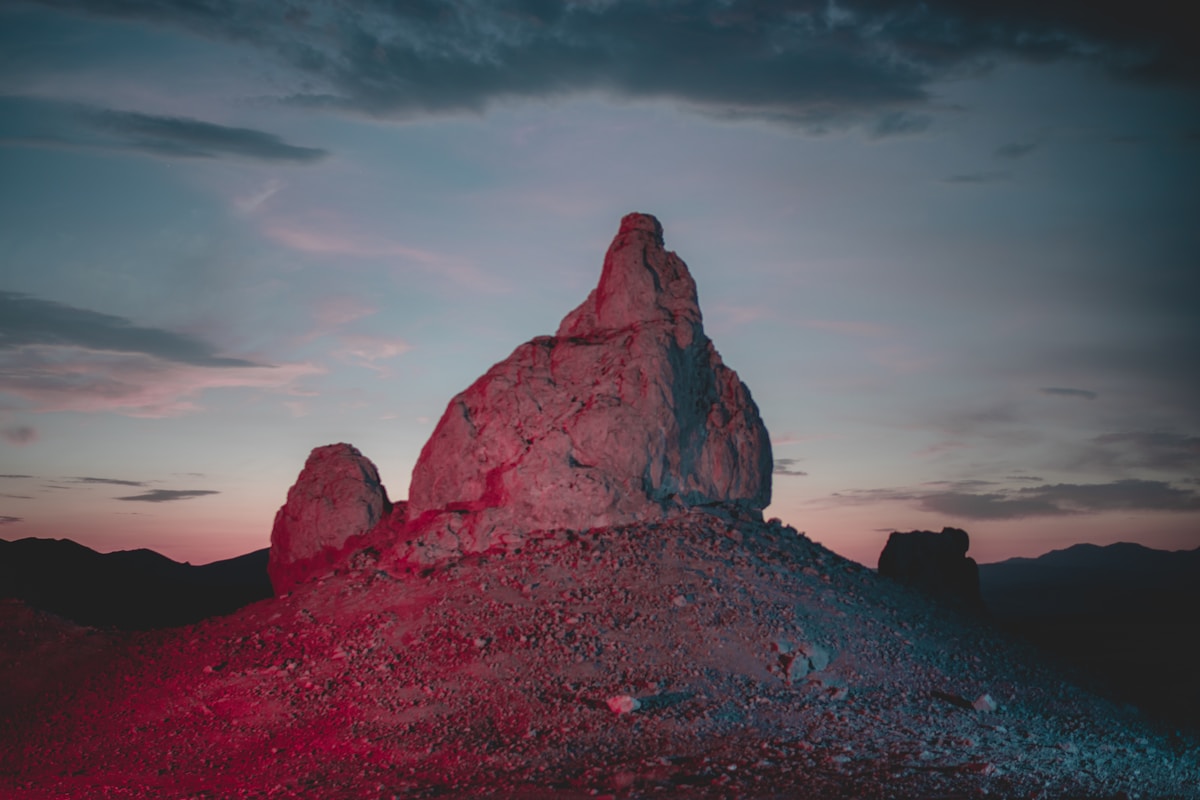
Pinnacles National Park is a geological oddity and a conservation success story in one compact package. The park protects the eroded remains of an ancient volcanic field - not a classic cone but a chaotic jumble of rhyolite spires, crags, and talus fields that the San Andreas Fault has carried 200 miles north from their origin point. Around and above this rocky maze, California condors - the largest land birds in North America and once down to 27 individuals - now soar daily on nine-foot wingspans. Pinnacles is one of the park system’s least-visited units, which makes it one of California’s most rewarding.
Entry Fees and Passes
Entry costs approximately $30 per vehicle as of 2026, valid for seven days. Motorcycles pay approximately $25; pedestrians and cyclists approximately $15. The America the Beautiful annual pass ($80) covers all vehicle occupants. No timed entry reservations are currently required - check nps.gov/pinn for current policy. Peak spring weekends see heavy day-use; arrive before 9am on March–May weekends to secure a parking spot.
Search hotels in Pinnacles on Booking.com
When to Visit
February–April is peak season for good reason: wildflowers carpet the chaparral hillsides, temperatures hover in the comfortable 55–70°F range, and the talus caves are fully open before bat season. This is also the best time for California condor activity - the birds are more visible during breeding season.
October–November is the strong alternative: cooler temperatures, golden hillsides, and smaller crowds than spring. The caves reopen after the bat maternity season.
May–September: summer is challenging. Temperatures regularly reach 100–110°F in the rock formations. Any hiking should start before 8am and be finished by noon. Dawn hikes in summer can be spectacular, but unprepared midday hikers are a regular rescue situation. If you visit in summer, prioritize the cave hikes which stay cooler inside.
December–January: pleasant temperatures (45–65°F), very few visitors, minimal wildflower activity. The caves may have reduced access depending on bat colonies.
Getting There
Pinnacles sits on CA-146, about 30 miles east of Soledad (west entrance) or 35 miles south of Hollister (east entrance) in the central California coastal mountains. The park is roughly:
- 90 minutes from Monterey/Carmel
- 2 hours from San Jose
- 2.5 hours from San Francisco
- 3.5 hours from Los Angeles
Critical: The two entrance roads do NOT connect inside the park. If you want to visit both the west and east sides, you must drive around (approximately 1.5 hours between entrances via US-101 and CA-25). The east entrance has the main campground and most facilities; the west entrance has a day-use trailhead and is less developed.
The High Peaks Trail
The park’s signature hike combines volcanic spires, condor sightings, and some of the most dramatic trail engineering in any national park. The High Peaks–Bear Gulch Loop (approximately 8.4 miles, moderate-strenuous, 1,500 feet elevation gain from the east) passes through hand-carved stone steps and metal handrails bolted into near-vertical cliff faces. Views extend across the Salinas Valley to the Pacific on clear days. Start at the east visitor center; allow 4–6 hours.
High Peaks direct (from east side, approximately 5.4 miles round trip to the summit area) is the shorter option. Juniper Canyon Trail accesses High Peaks from the west side (approximately 4.3 miles round trip).
Key sections of the High Peaks Trail involve steep, exposed scrambling on rocky steps - not suitable for those with a severe fear of heights. The exposure is manageable for most hikers but is genuine.
Talus Caves
Bear Gulch Cave - The most accessible cave system, reached via the Bear Gulch Trail (1 mile from the east trailhead). The cave is divided into upper and lower sections by a reservoir; typically both sections are open fall through early spring, with the upper section closing approximately April 15–July 15 for bat maternity season. Check current status at nps.gov/pinn before you go. Bring a flashlight - the passages are dark. Allow 30–45 minutes.
Balconies Cave - Accessed from the west entrance via the Balconies Cave Trail (2.4 miles round trip). Longer approach but fewer visitors. The cave features spectacular boulder jumbles and is generally open year-round when weather permits. Headlamp or flashlight required.
Both caves involve scrambling, crouching through low passages, and some tight squeezes. Claustrophobic visitors should be aware: the narrow sections are real.
California Condor Spotting
Pinnacles hosts one of five wild condor flocks in North America. The birds typically soar over the High Peaks between approximately 9am and 2pm on warm days, using thermals rising off the heated rock faces. They are unmistakable: a nine-foot wingspan, all-black body, white underwing patches, and bald red-orange head on mature birds. Tagged birds carry numbered wing tags visible through binoculars.
Best viewing spots: Condor Gulch Trail overlook (1.7 miles from east trailhead, moderate), any High Peaks viewpoint, and the Bench Trail area near the reservoir. Rangers at the east visitor center post recent sightings on a whiteboard. Morning and late afternoon are most productive.
Camping
Pinnacles Campground - The only campground in or near the park, operated by a concessioner on the east side. Sites range from tent (approximately $36/night) to full hookups for RVs (approximately $50/night). Amenities include a swimming pool, camp store, and flush toilets. Reservable at recreation.gov or directly through the campground; books out weeks ahead in spring and fall weekends.
There is no west-side camping. Soledad (30 miles from the west entrance) and Hollister (35 miles from the east entrance) have motels from approximately $80–130/night.
Wildlife
Beyond condors, Pinnacles hosts a remarkable diversity: 14 species of bats (roost in the caves), golden eagles, prairie falcons, black-tailed deer, bobcats, Pacific rattlesnakes (watch trail edges in summer), and a significant tarantula population. October is prime tarantula-spotting season - males wander the trails at dusk looking for mates. They’re harmless to humans but impressive to encounter.
Safety
- Heat: the rocky terrain amplifies solar radiation. Air temperatures of 85°F can mean surface temperatures well above 100°F. Carry 3+ liters per person for any hike longer than 2 miles in warm weather.
- Rattlesnakes: Pacific rattlesnakes are present and most active in spring and fall. Watch where you step and place your hands on rocky sections.
- Cave flashlight: mandatory. Multiple visitors per year get stuck in the caves without light.
- High Peaks exposure: some sections involve handrails and steep drops. Evaluate your comfort with heights honestly before committing to the full High Peaks loop.
For guided ranger-led and private tours of Pinnacles National Park, browse available tours and experiences. Most visitors reach national parks by car - compare car hire options in the USA for the best rates. Travel insurance is especially worth having for remote park trips where emergency evacuation can be costly.
Nearby Attractions
Pinnacles’ isolation is part of its charm but means limited services nearby. The Pinnacles Campground store sells basic supplies. The town of Hollister (east side) has full services. Gilroy (40 miles north) has a wider range. For a coastal California road trip, Pinnacles pairs naturally with Monterey and Big Sur - see our California road trip guide.