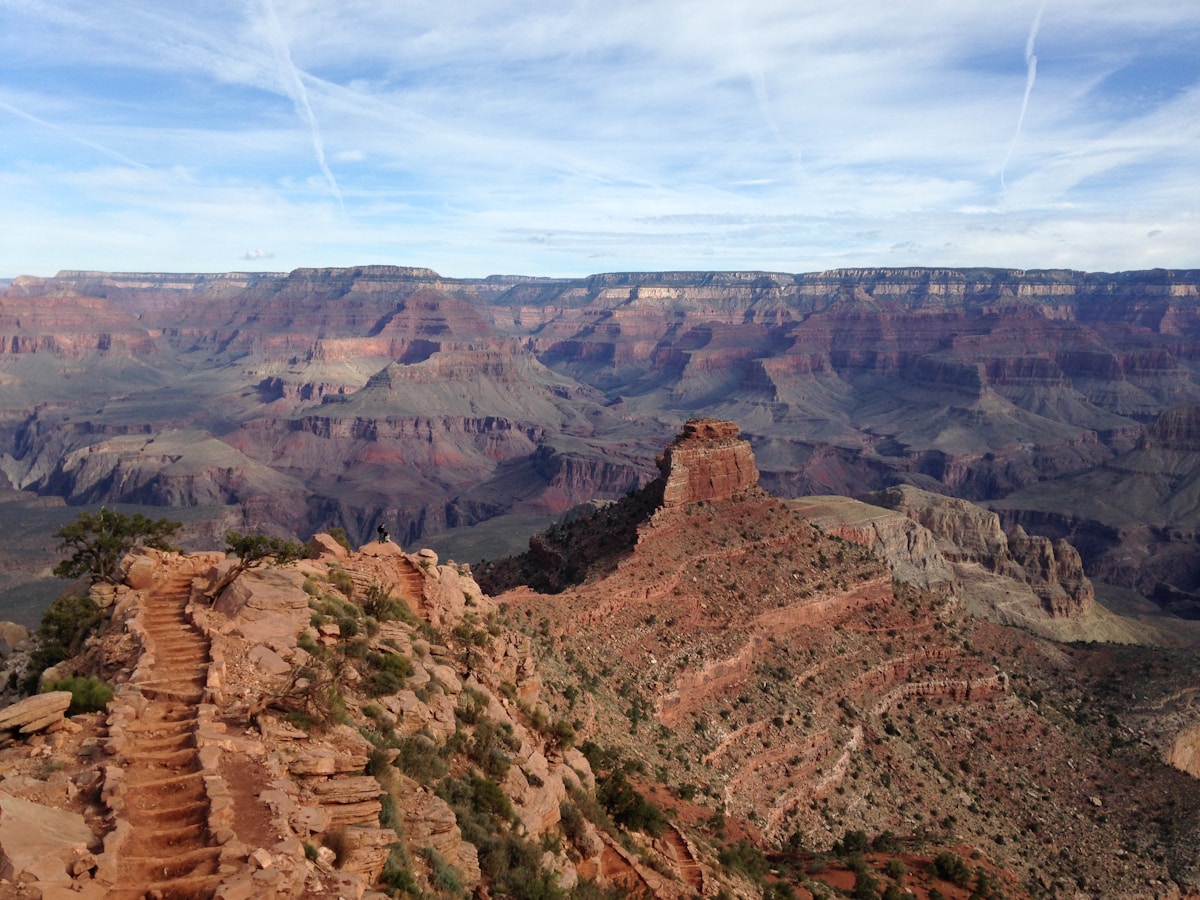
Arches National Park contains more than 2,000 natural sandstone arches - the highest concentration on Earth. The landscape is red Entrada sandstone, eroded into fins, balanced rocks, and arches by millions of years of water, ice, and gravity. Delicate Arch, the park’s icon, is 65 feet tall and stands at the edge of a slickrock bowl above a canyon. The park is small enough - 76,679 acres - to see most highlights in two focused days.
Entry Fees and Passes
Entry costs approximately $30 per vehicle as of 2026 (valid for seven days, covers all occupants). Motorcycles pay approximately $25; individuals on foot or bicycle pay approximately $15. The America the Beautiful annual pass ($80) covers entry. International (non-US-resident) visitors pay an additional surcharge of approximately $100 per person at this park as of 2026; verify current rates at nps.gov before budgeting. The America the Beautiful pass (approximately $250 for non-residents) waives this surcharge.
Timed entry reservations are required April through October. A reservation (approximately $2) must be secured via recreation.gov before arriving at the park entrance, in addition to the standard entry fee. Reservations are released on a rolling basis; check the NPS website for the current release schedule as the system has been revised annually. Between November and March, no reservation is needed.
When to Visit
March–May: Ideal. Temperatures are 50–80°F, wildflowers bloom from late March, and the red rock light is excellent. April is the busiest spring month. Snow is possible in March but rare at park elevation (4,000–5,600 ft).
October–November: Also excellent. Crowds thin significantly after mid-October. Daytime temperatures 55–70°F, cold nights. The slanted light of fall afternoons on the sandstone is outstanding for photography.
June–August: Extreme heat. Temperatures regularly exceed 100°F at midday. Hiking before 8am or after 6pm is manageable; midday hiking on exposed trails can be dangerous. The park does not close, but sunstroke and dehydration incidents increase sharply.
December–February: Cold (20–45°F in the day, below freezing at night). Trails are occasionally icy. Crowds are minimal. The park is open; no timed entry reservations required. Snow on red rock arches produces extraordinary images.
Getting There
From Moab, UT (5 miles to the park entrance, approximately 10 minutes by car): The base town for Arches. Moab has a full range of accommodation, restaurants, bike rentals, and outdoor guiding companies. Canyonlands Regional Airport (CNY) is 18 miles north of Moab with limited service; most visitors fly into:
Salt Lake City, UT (235 miles, approximately 3.5 hours via I-70 E and US-191 S): The primary fly-in hub. Car rental from approximately $50/day at SLC airport. The drive through Carbon County and Castle Valley is scenic.
Grand Junction, CO (110 miles, approximately 1.75 hours via I-70 W and US-191 S): Closer regional alternative with fewer flight options.
There is no public bus or shuttle service from Moab into the park. A car is required.
Must-See Trails and Attractions
Delicate Arch Trail - 3 miles round trip (strenuous, 2–3 hours) with 480 ft elevation gain over exposed slickrock. No shade on the trail after the first 0.5 miles. The arch is visible only at the trail’s end - a dramatic reveal above a curved sandstone bowl. Sunrise and sunset are the best lighting conditions. Water is not available on trail; carry at least 2 liters.
Landscape Arch - 1.8 miles round trip (easy, 45 minutes–1 hour) on a flat sandy path. At 306 feet wide, it is the longest natural arch in the world. In 1991 a 60-foot slab fell from the arch; it remains structurally fragile - the NPS prohibits hiking beneath it.
Delicate Arch Viewpoint (Lower) - 0.5 miles round trip (easy, 20 minutes) along a paved path with a distant but clear view of Delicate Arch. A good option for those unable to complete the full trail.
Windows Section - Double Arch, North Window, South Window, and Turret Arch are clustered within 1.5 miles of walking on easy sandy trails. Double Arch: 0.5 miles round trip (easy, 20 minutes). North and South Window loop: 1 mile (easy, 30–45 minutes). Excellent for families and casual visitors.
Balanced Rock - A 3,600-ton rock balanced on a narrow pedestal. Viewable from a 0.3-mile paved loop (easy, 15 minutes) or from the parking area. One of the most photographed features in the park.
Fiery Furnace - A labyrinth of narrow sandstone fins and canyons in the center of the park. Permits and a ranger guide are required to enter most sections (see Permits). The experience of navigating through the maze at close quarters with vertical walls on both sides is unlike any other trail in the park.
Dark Angel and Private Arch (via Devils Garden Trail) - 8 miles round trip (strenuous, 4–5 hours). The full Devils Garden Trail passes seven arches - the highest arch density in any park trail - including Tunnel Arch, Pine Tree Arch, Navajo Arch, and the distant Partition Arch. The section beyond Landscape Arch requires scrambling on slickrock; hiking poles are helpful.
Permits
Timed entry reservation: Required April–October, approximately $2/vehicle, via recreation.gov in addition to park entry. Book before travel.
Fiery Furnace guided ranger hike: Approximately $16/adult, $8/child as of 2026. Departs twice daily in peak season. Book via recreation.gov - fills quickly. Children under 5 not permitted.
Fiery Furnace self-guided permit: Approximately $10/person as of 2026. Issued at the visitor center. Only experienced hikers with route-finding ability - the Fiery Furnace has no marked trails, and people get lost every season.
Backcountry camping: Arches has limited designated backcountry campsites; permits required. Very few and rarely used - most visitors base in Moab. Contact the visitor center for current availability.
Accommodation
In-park: No in-park lodges or developed campgrounds other than Devils Garden Campground.
Search hotels in Arches on Booking.com
Devils Garden Campground (18 miles from the entrance, inside the park): 51 sites, approximately $25/night. Reservations via recreation.gov; sells out months ahead from March through October. First-come-first-served sites available in winter.
Moab, UT (5 miles from the park entrance):
- Full range from budget hostels (approximately $30/night dorm) to luxury resorts. Key options:
- Red Cliffs Lodge - River-side resort, 15 miles from park entrance. Rooms from approximately $180/night; cabins from approximately $280/night.
- Moab Valley Inn - Central Moab, solid mid-range. From approximately $130/night.
- The Hoodoo Moab (Curio by Hilton) - Contemporary hotel, from approximately $160/night.
- Budget chains (Comfort Suites, Holiday Inn Express) from approximately $100–130/night.
Moab books out completely on peak spring and fall weekends - reserve accommodation 2–4 months ahead for April, May, September, and October.
Packing and Preparation
- Water: The most common emergency in Arches is dehydration. Carry a minimum of 1 liter per mile in summer; 0.5 liters per mile in moderate weather. Delicate Arch trail has no shade and no water - 3 liters minimum in summer.
- Sun protection: Midday UV at 5,000 ft on open slickrock is extreme. SPF 50+, sun-protective clothing, and a wide-brim hat are not optional in summer.
- Footwear: Slickrock requires rubber-soled shoes with good traction. Sandals and flip-flops are inadequate on the Delicate Arch trail and Devils Garden.
- Start early: Delicate Arch trail in summer must begin before 7am to avoid the worst heat. By 10am the slickrock surface temperature exceeds air temperature by 20–30°F.
- Timed entry: Check your reservation confirmation the day before - the system has had technical issues. Screenshot the confirmation with your arrival time.
- Moab crowds: The city’s restaurants and bars fill on spring Friday and Saturday evenings. Make dinner reservations (Pasta Jay’s, Desert Bistro, Moab Brewery) for weekends.
- Rock stability: Do not climb on or stand under arches. Rock fall is an ongoing natural process - the NPS parks closure signs for arch areas after rockfall events.
For guided ranger-led and private tours of Arches National Park, browse available tours and experiences. Most visitors reach national parks by car - compare car hire options in the USA for the best rates. Travel insurance is especially worth having for remote park trips where emergency evacuation can be costly.
Nearby City Guides
Arches and Canyonlands together constitute the core of Moab’s appeal - both are day-trip accessible from the town. For a direct comparison, see our Arches vs Canyonlands breakdown. The Utah Mighty 5 road trip links Arches to Bryce Canyon, Zion, Canyonlands, and Capitol Reef.