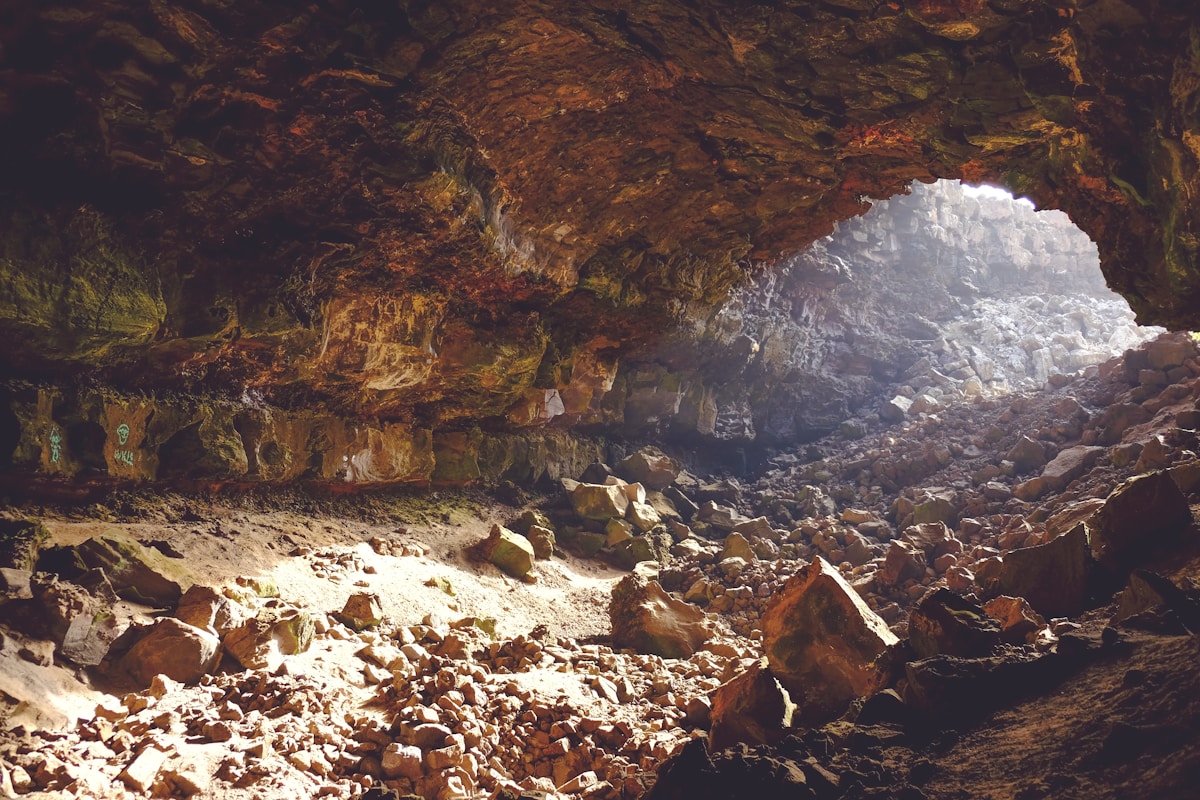
Mammoth Cave is the world’s longest known cave system - over 420 miles of surveyed passages beneath the hills of south-central Kentucky, with more being mapped every year. The cave’s scale is genuinely hard to comprehend from the surface: rooms the size of cathedrals, corridors that run for miles without branching, a vertical range from 50 to 379 feet below the ground. The cave has been used by humans for at least 4,000 years - prehistoric Native Americans mined gypsum and other minerals by torchlight, and their sandals, baskets, and tools are still found preserved in the constant 54°F air.
Above ground, the 52,830-acre park contains 70 miles of hiking trails along Green River ridges and hollows - one of the most underrated walking landscapes in the eastern US.
Entry Fees and Tour Tickets
Mammoth Cave National Park has no vehicle entry fee. The park grounds and surface trails are free to visit.
Cave tour tickets are a separate cost and are NOT covered by the America the Beautiful annual pass. Tours range from approximately:
- Frozen Niagara Tour (2 hours, moderate) - approximately $15–20/person. Flowstone formations including the 75-foot Frozen Niagara cascade.
- Historic Tour (2 hours, moderate) - approximately $15–20/person. Original tour route through Rotunda and Grand Avenue.
- Gothic Avenue Tour (2 hours, moderate) - approximately $15–20/person. Pre-Civil War tour with signatures carved into cave walls.
- Grand Avenue Tour (4 hours, strenuous) - approximately $25–35/person. The most comprehensive cave experience; covers four major cave areas.
- Violet City Lantern Tour (3 hours, moderate) - approximately $20–25/person. Kerosene lantern tour through sections with no electric lighting.
- Wild Cave Tour (6 hours, very strenuous) - approximately $50–60/person. Crawling through undeveloped cave sections. Minimum age 16.
Book at recreation.gov - the Grand Avenue and Wild Cave tours can sell out 4–6 weeks ahead in peak season.
When to Visit
The cave is 54°F year-round - a steady, cool temperature that makes it comfortable regardless of outside weather. This is one of Mammoth Cave’s key advantages: it’s equally good in summer heat and winter cold.
Spring (April–June) is peak season for above-ground trails: wildflowers, migrating birds, and the Green River at an active level. Cave tours are busy but available with advance booking.
Fall (September–November): Excellent foliage along the ridge trails, thinner crowds than summer, and all cave tours available.
Summer (July–August): The cave provides cool refuge from Kentucky summer heat. Busiest tour season - reserve tickets at least 2–4 weeks ahead.
Winter (December–March): Coldest months see the smallest crowds. Cave tours run year-round. Many bat species are hibernating and can sometimes be seen clustered on cave ceilings near the entrance (viewing is from a distance to avoid disturbance).
Getting There
The park is located in Edmonson County, Kentucky, about 90 miles south of Louisville and 75 miles northeast of Nashville. Take I-65 to Exit 53, then follow KY-70 into the park. The nearest commercial airports are Nashville International (BNA) (approximately 1.5 hours) and Louisville Muhammad Ali International (SDF) (approximately 1.5 hours). Car hire is needed for either airport. Compare options at /go/car-hire-usa.
Cave Highlights
The Rotunda - a domed room near the cave entrance, approximately 40 feet high and 130 feet across. Used in the War of 1812 to mine calcium nitrate for gunpowder; the wooden saltpeter vats are still in place. The first major room on most tour routes.
Mammoth Dome - a 192-foot ceiling dome considered the most impressive single feature in the cave. Visible on the Domes and Dripstones tour.
Frozen Niagara - a flowstone formation that looks remarkably like a waterfall frozen mid-cascade. Approximately 75 feet of orange and cream-colored calcium carbonate flows. The most photographed feature in the cave.
Fat Man’s Misery - a narrow canyon passage on the Historic Tour where visitors must walk sideways. The name dates to the 1830s.
Grand Central Station - the junction of several major passages, used as a named landmark since the 19th century.
Hiking Above Ground
The surface park has 70 miles of trails through ridge-and-hollow forest along Green River tributaries. Notable:
- Heritage Trail - 0.75 miles, paved, connects the visitor center to the Historic Entrance and overlooks. Accessible.
- Sloan’s Crossing Pond Walk - 0.5 miles, birding around a wetland area.
- Maple Springs Loop - 4.1 miles through mixed forest with good wildflower displays in spring.
- First Creek Trail - 4.2 miles to Green River bluffs. Excellent river views.
- Good Spring Loop - 9.1 miles, the longest day hike, through the park’s most remote terrain.
The Green River is a designated National Wild and Scenic River. Canoe access at Green River Ferry (fee ferry crossing) connects the north and south sections of the park.
Campgrounds
- Mammoth Cave Campground - 100 sites for tents and RVs, near the visitor center. Approximately $20–25/night. Water and dump station. Book at recreation.gov.
- Headquarters Campground - 12 primitive sites for tents, walk-in only. Approximately $15/night.
- Houchin Ferry Campground - 12 primitive sites on the Green River. Tent only. Approximately $15/night.
Lodging
- Mammoth Cave Hotel - the only in-park lodging option, operated by the park concessionaire. Hotel rooms approximately $130–175/night; older Heritage Trail Cottages approximately $80–120/night. Basic restaurant on site. Book at mammothcavehotel.com - fills up in summer.
- Cave City and Horse Cave (10–15 miles north) have budget motels approximately $70–110/night and chain options approximately $90–140/night.
Search hotels in Mammoth Cave on Booking.com
Safety
- Cave temperature: 54°F year-round with some moisture. Dress in layers; a light jacket is essential even in summer.
- Hard hats and knee pads: provided for the Wild Cave Tour; wear sturdy closed-toe shoes for all tours.
- White-nose syndrome: a fungal disease has devastated bat populations across eastern North America. Do not bring clothing, shoes, or gear worn in other caves without first decontaminating it - the park has protocols to protect the remaining bat colonies.
- Slippery passages: cave passages can be slick. All tours require closed-toe shoes with good grip.
For guided ranger-led and private tours of Mammoth Cave National Park, browse available tours and experiences on GetYourGuide - from wildlife and photography excursions to multi-day adventures in and around the park.