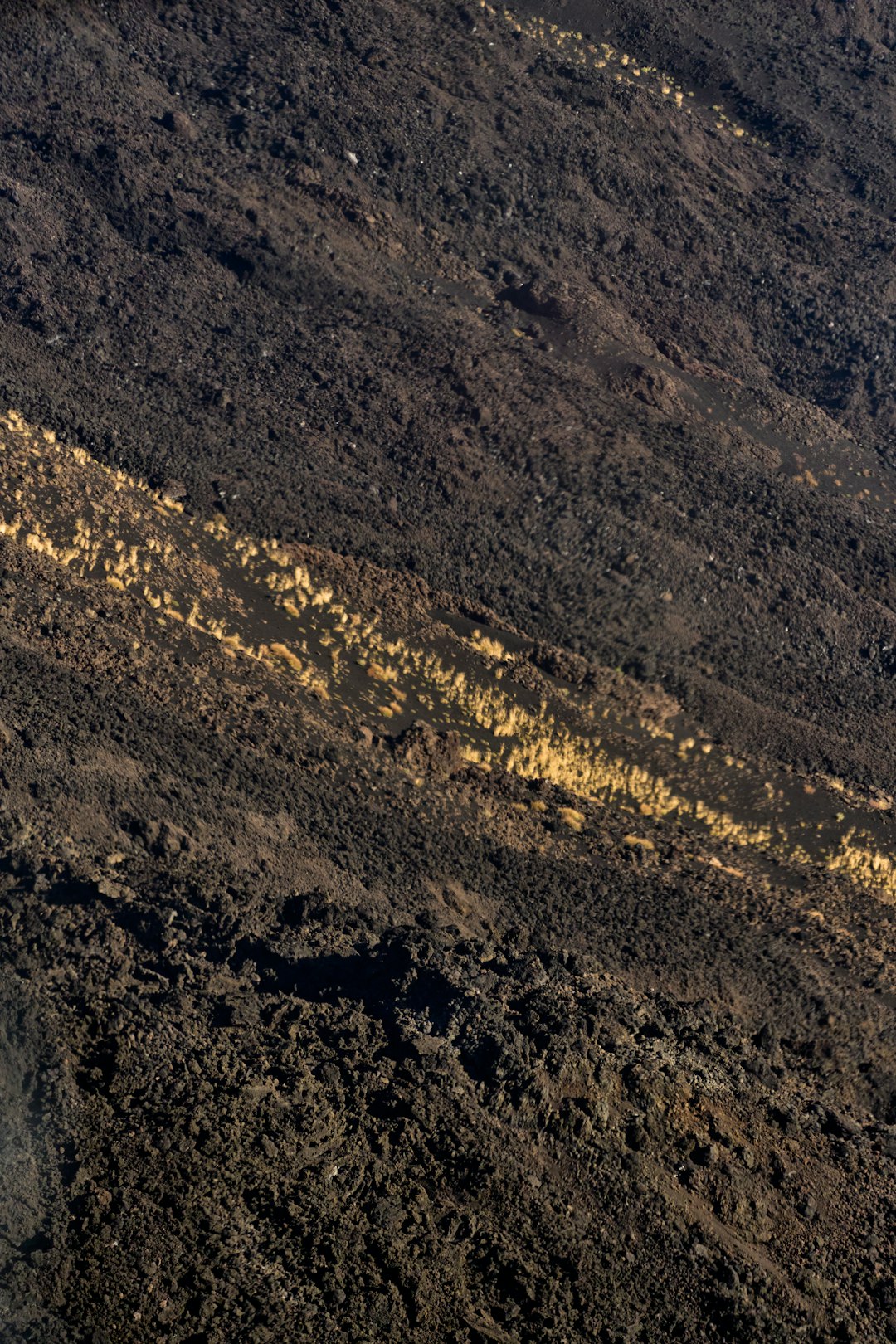
Craters of the Moon looks exactly as its name suggests - a sprawling moonscape of black basalt lava, cinder cones, and lava tube caves stretching across the Snake River Plain in south-central Idaho. NASA astronauts trained here before the Apollo missions. The landscape was formed by one of the longest volcanic rift zones in the continental United States, with eruptions occurring as recently as 2,000 years ago. This is not a subtle park: it is stark, strange, and unlike anywhere else in the Lower 48.
Entry Fees and Passes
Entry costs approximately $25 per vehicle as of 2026, valid for seven days. Motorcycles pay approximately $20; pedestrians and cyclists approximately $15. The America the Beautiful annual pass ($80) covers Craters of the Moon and is worthwhile if you’re also visiting Yellowstone, Grand Teton, or Sawtooth National Recreation Area on the same Idaho/Wyoming trip.
The visitor centre on the main loop road handles cave permits (free, day-of) and sells the annual pass. There is no timed-entry reservation system as of 2026.
When to Visit
May–June is the best window. Wildflowers - including monkeyflower, phlox, and dwarf buckwheat - bloom across the lava fields in late May, painting splashes of colour across the black rock. Temperatures are comfortable at 55–75°F during the day, and the caves remain a consistent 35°F year-round, making a cool underground escape from the midday heat.
July–August: The black lava absorbs and radiates heat aggressively - surface temperatures on the basalt can exceed 150°F while air temperatures hit 90°F+. Start hikes before 8am in summer. Carry at least 2 litres of water per person; there is no water on the trails beyond the visitor centre.
September–October: Crowds drop sharply, temperatures return to the comfortable 50–70°F range, and the morning light on the lava is extraordinary. The cave permit requirement remains in place year-round.
Winter: The monument stays open year-round on the loop road (conditions permitting). Snowshoeing across the lava fields is permitted and surreal - the snow-covered cones and fissures look even more otherworldly. No guided winter programmes are available, so come prepared.
Getting There
Craters of the Moon sits along US-20 between Arco and Carey in south-central Idaho, about 18 miles west of Arco.
- Boise (BOI) is the nearest major airport, approximately 160 miles southwest via US-20. Rental cars from Boise run approximately $45–75/day - compare at /go/car-hire-usa.
- Idaho Falls (IDA) is the closer regional airport, approximately 90 miles east. Smaller flight selection but closer to the monument.
- Twin Falls is about 80 miles south on US-93; a reasonable base if you’re also visiting Shoshone Falls.
There is no public transit to Craters of the Moon. A rental car is essential.
The Loop Road and Key Sites
The 7-mile one-way Loop Road covers the main volcanic features with twelve marked stops. Allow two to three hours for the full loop with stops. Key sites:
- Inferno Cone - A steep cinder cone with a 0.2-mile trail to the summit (approximately 160-foot gain). The 360-degree panorama from the top takes in the entire lava field plus the Pioneer Mountains to the north. The most dramatic vista in the monument for minimal effort.
- Spatter Cones - Five interconnected cones formed by thick, pasty lava that “spattered” rather than flowed. A paved 0.25-mile trail with interpretive signs; the cones are smaller than Inferno Cone but the interior vent views are striking.
- Devil’s Orchard - A 0.5-mile paved loop through a field of monolithic lava chunks pushed up from a collapsed lava tube. The interpretation here is excellent, explaining how the Snake River Plain formed.
- Tree Molds Trail - A 2-mile round-trip trail to hollows left where trees were encased in lava and then burned away, leaving perfect tree-shaped voids in the basalt.
- North Crater Flow - The raw lava flow at the far end of the loop, with minimal developed interpretation and maximum landscape immersion.
The Caves
Craters of the Moon contains more than 25 lava tube caves, several of which are accessible on foot. Pick up a free cave permit at the visitor centre before exploring. Bring your own headlamp - the caves are genuinely dark and the park does not provide lighting.
Boy Scout Cave - The most popular cave, reached by a 0.25-mile trail from the cave parking area. A narrow entrance leads to chambers with ice on the floor year-round. The ice is a winter accumulation trapped by the cave’s shape - even in July, the floor may be frozen. Moderately crawly; not suitable for those with claustrophobia.
Beauty Cave - A larger tube with more headroom than Boy Scout, approximately 800 feet long. The 0.5-mile trail to the entrance crosses rough lava terrain; wear sturdy, ankle-supporting footwear.
Dewdrop Cave - The easiest of the open caves, with a large entrance and minimal crawling, suitable for families with older children.
Indian Tunnel - The largest cave, approximately 800 feet long, 50 feet wide at points, with several natural skylights where the roof has collapsed. The trail in is relatively straightforward with good headroom. One of the few caves you can walk through rather than crawl.
Trails
Inferno Cone (0.4 miles round trip, 160-foot gain, easy–moderate) - Short but steep on loose cinder. The summit view is the monument’s best.
North Crater Trail (3.4 miles round trip, 350-foot gain, moderate) - Crosses multiple lava flows of different ages and textures. Excellent for understanding the geological layers. Exposed; carry water and start early in summer.
Tree Molds Trail (2 miles round trip, minimal gain, easy) - A pleasant walk to the tree molds area; the most botanically interesting trail as the lava field transitions to sagebrush-scrub habitat with pockets of wildflowers.
Wilderness trails: The monument contains a 750,000-acre wilderness area accessible via the Lava Flow Campground. Trails are unmarked. Experienced hikers with navigation skills can spend multiple days crossing remote lava fields; register at the visitor centre and carry a paper topo map.
Accommodation
In-monument:
- Lava Flow Campground - 52 sites for tents and RVs, no hookups, approximately $20–25/night. Open mid-April through late October. Reservable at recreation.gov; fills quickly on summer weekends.
Search hotels in Craters Of The Moon on Booking.com
Nearby:
- Arco (18 miles east) - Small town with several budget motels including the Arco Inn (approximately $80–120/night) and D-K Motel. Full services are limited; stock up on food before arriving.
- Twin Falls (80 miles south) - Full range of chain hotels from approximately $90–160/night; a reasonable base for combining Craters of the Moon with Shoshone Falls.
- Sun Valley/Ketchum (80 miles northwest via US-20/93) - Premium resort-town accommodation from approximately $200–500/night; worth considering if combining with skiing or mountain biking in the Sawtooths.
Practical Tips
- Footwear matters: Lava basalt is jagged and punishing on thin soles. Wear sturdy hiking shoes or boots, not sandals or trail runners, on any cave or off-trail terrain.
- Sun and shade: There is virtually no shade outside the visitor centre. A wide-brim hat, sunscreen, and long sleeves are not optional in summer.
- Wildlife: Ground squirrels are common around the campground and will eat any unattended food. Mule deer and pronghorn move through the monument at dawn and dusk. Prairie rattlesnakes live in rock crevices - watch where you step on rocky terrain.
- Stargazing: The monument sits far from major light sources. Lava Flow Campground is one of the better stargazing spots in Idaho; the Milky Way is visible on clear, moonless nights.
- Fuel and food: The monument has no fuel or restaurants. Arco is small - fill up in Twin Falls, Idaho Falls, or Boise if driving from either direction.
For guided ranger-led and private tours of Craters of the Moon National Monument, browse available tours and experiences on GetYourGuide - from wildlife and photography excursions to multi-day adventures in and around the park.
Nearby Attractions
- Yellowstone National Park guide - about 200 miles northeast, making a logical multi-stop road trip
- Grand Teton National Park guide - 230 miles east via US-20 through Idaho Falls
- Grand Canyon National Park guide - for extended Western USA road trips combining Idaho with the Southwest