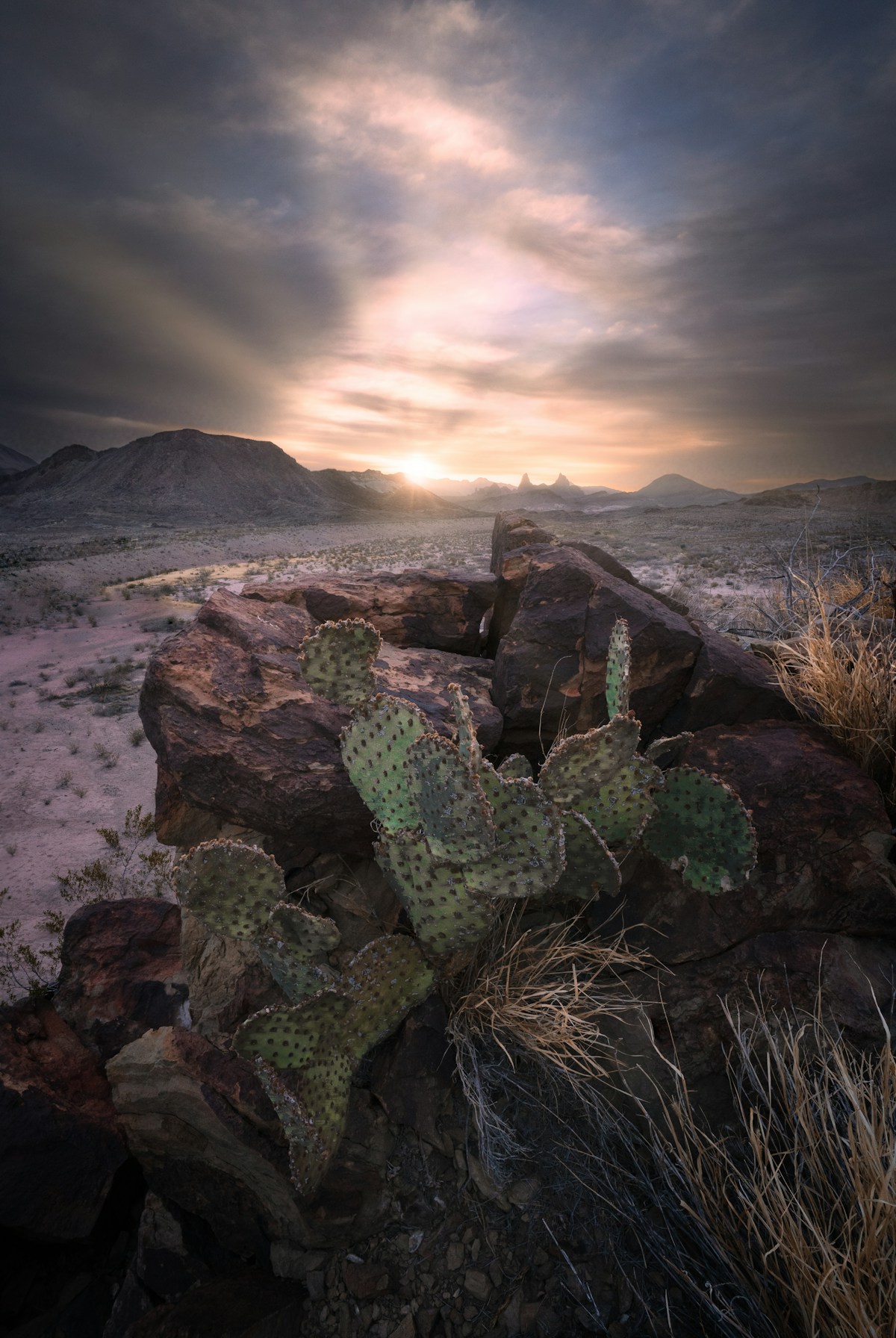
Big Bend occupies a dramatic bend in the Rio Grande along the US-Mexico border in southwest Texas - nearly 1,300 square miles of Chihuahuan Desert, the Chisos Mountains rising to 7,825 feet, and one of the longest river canyons in North America. It is among the most remote national parks in the lower 48, around eight hours from any major city, and that isolation is precisely what draws its visitors. The night skies here are some of the darkest in the continental United States; the park holds an International Dark Sky Park designation.
Entry Fees and Passes
Entry costs approximately $35 per vehicle as of 2026, valid for seven days. Motorcycles pay approximately $30; pedestrians and cyclists approximately $20. The America the Beautiful annual pass ($80) covers entry and is valuable if you’re combining Big Bend with Guadalupe Mountains NP (5 hours north by road) on the same trip.
Big Bend has no timed-entry vehicle reservation system. Even in peak season (late February–March), parking at popular trailheads like the Chisos Basin fills by mid-morning on weekends - arrive by 8am.
When to Visit
November–April is the prime season. Winter temperatures in the Chisos Basin (elevation 5,400 feet) run cool to cold - expect 30–50°F at night in January and February, with daytime highs of 60–70°F perfect for hiking. Desert floor temperatures are warmer.
March–early April: the best wildflower window, with peak blooms depending on winter rainfall. Ocotillo ignite into red torches, prickly pear bloom yellow, and the basin meadows fill with color. This is also the busiest period - book lodging and campgrounds months ahead.
May and October are shoulder seasons: warm but manageable, significantly fewer visitors.
June–August: avoid unless you’re heat-adapted and know exactly what you’re doing. Basin temperatures regularly hit 105–115°F on the desert floor by midday. The park service strongly advises all hiking before 10am; several heat-related fatalities occur here annually.
Getting There
Big Bend is genuinely remote. The nearest commercial airports are Midland International (MAF), about 3.5 hours north, and El Paso International (ELP), about 4.5 hours west. Rental cars from both run approximately $50–100/day - book early for holiday weekends - compare at /go/car-hire-usa. From San Antonio (roughly 6.5 hours) and Austin (about 7 hours), driving through the Hill Country or via the Pecos River corridor is the most common approach.
The town of Terlingua/Study Butte, just west of the park’s west entrance, serves as the main base with restaurants, gear shops, fuel, and lodging. Marathon (north entrance) is smaller but has a historic hotel and fuel.
Top Hikes
Lost Mine Trail - 4.8 miles round trip (moderate, 1,100-foot gain). The single best hike in the park for effort versus reward: a forested ridgeline climb to views of the entire Chisos Basin and beyond. Start early - the trailhead parking lot fills by 9am on weekends.
Emory Peak - 9 miles round trip (strenuous, 2,450-foot gain). The highest point in the park at 7,825 feet, reached from the Chisos Basin Trailhead via the Pinnacles Trail. A short scramble at the summit. Allow 6–8 hours; start before dawn in summer.
Window Trail - 5.6 miles round trip (easy-moderate, 650-foot descent each way). Leads through the Chisos Basin to a framed view of the desert far below through a V-shaped gap in the cliffs. Spectacular at sunset; the return climb in the heat is not.
Santa Elena Canyon - 1.7 miles round trip (easy, flat). Wades a small creek crossing (may be knee-deep or dry depending on season) and walks into a 1,500-foot sheer canyon where the Rio Grande splits the US-Mexico border. One of the most dramatic short walks in the American Southwest.
South Rim Loop - 13–14 miles round trip (strenuous). The park’s classic full-day or overnight hike; the South Rim drops 2,000 feet to a dramatic ledge overlooking the desert floor with views into Mexico. Backcountry permit required for camping (free, from the Panther Junction Visitor Center).
Rio Grande Float Trips
Three main canyons - Santa Elena, Mariscal, and Boquillas - are floatable on the Rio Grande. Day trips and overnight multi-day floats depart from put-ins within the park. Several outfitters based in Terlingua run guided trips: Big Bend River Tours and Desert Sports are established operators, with single-day canyon trips running approximately $120–180/person including gear and shuttle. The Rio Grande runs at its highest and most floatable November–April; summer levels can be very shallow.
Accommodation
In-park:
- Chisos Mountains Lodge - The only in-park lodging, operated by Forever Resorts. Motel rooms and stone cottages from approximately $190–280/night. Stunning basin location. Books out months ahead for the March peak. Dining room on-site (mains approximately $15–30).
- Campgrounds: Chisos Basin (68 sites, tents and small RVs, approximately $16–25/night), Rio Grande Village (100 sites, hookups available approximately $25–35/night), Cottonwood (22 tent sites near Santa Elena Canyon, approximately $14/night). All at recreation.gov.
Search hotels in Big Bend on Booking.com
Terlingua/Study Butte (outside the west entrance):
- Lajitas Golf Resort - Upscale desert resort 25 miles west, rooms from approximately $250–450/night. Pool.
- Posada Milagro and Big Bend Motor Inn - Budget to mid-range options in Terlingua proper, approximately $90–170/night.
- Big Bend Glamping and multiple private ranch stays - increasingly popular for the dark-sky experience, approximately $150–300/night.
Where to Eat
Starlight Theatre Restaurant in Terlingua ghost town is the classic Big Bend dining experience - a converted 1930s theater with live music most evenings, Tex-Mex and smoked meats, mains approximately $15–30. Kathy’s Cosmopolitan Club is the locals’ dive bar next door. In the park, the Chisos Mountains Lodge dining room is the only sit-down option; the Rio Grande Village store sells basics and ice.
Dark Skies
Big Bend holds one of the darkest skies in the continental US. At the Chisos Basin, the Milky Way is clearly visible to the naked eye on moonless nights. The park’s astronomy ranger programs (check nps.gov/bibe for the schedule) use telescopes open to the public at Rio Grande Village. Bring a red-light headlamp and allow 20 minutes for dark adaptation.
Safety
- Heat: the leading cause of serious incidents. Carry at least one gallon of water per person per day on desert-floor hikes; two gallons on strenuous routes.
- Flash floods: canyon trails (Santa Elena, Boquillas) can flood with no warning from storms miles away. Check the forecast before entering a canyon.
- Remote medical response: the park has one ranger station with basic EMS; the nearest hospital is Alpine, about 1 hour north. Satellite communicators strongly recommended for backcountry.
- Wildlife: rattlesnakes are common on rocky trails, especially in spring and fall. Watch where you step and where you put your hands on rocks. Mountain lions are present but rarely encountered.
- Border protocols: do not approach or attempt to cross the Rio Grande outside the official Boquillas Port of Entry - Border Patrol operates throughout the area.
For guided ranger-led and private tours of Big Bend National Park, browse available tours and experiences on GetYourGuide - from wildlife and photography excursions to multi-day adventures in and around the park.