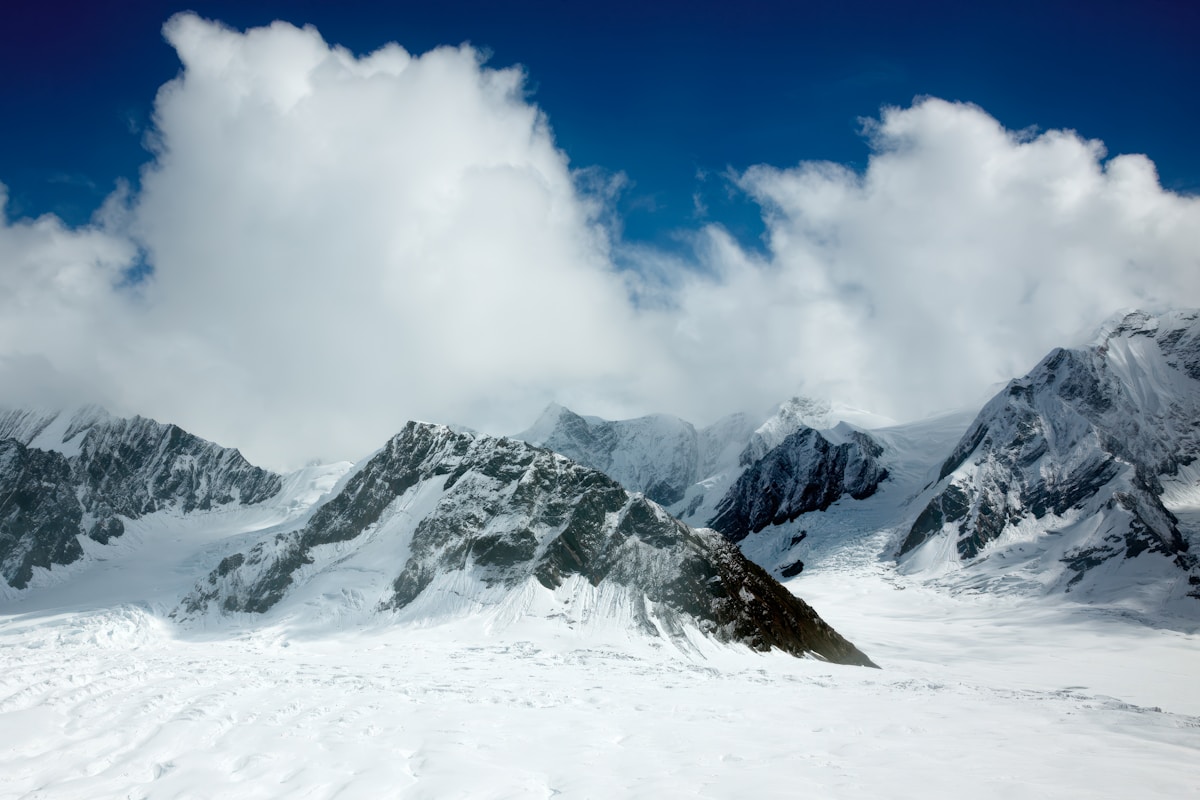
Denali is North America’s highest peak at 20,310 feet, but the park named after it is really a wildlife refuge that happens to have an enormous mountain at one end. The 92-mile park road punches into a roadless wilderness larger than New Hampshire - no services, no cell signal, no trails except where you make them. What makes it work as a visitor experience is the bus system: sit-down transit rides that double as rolling wildlife safaris, with grizzlies and wolves tracked by radio between drivers and stopping wherever an animal appears within photograph distance.
Entry Fees and Passes
Denali charges by person rather than vehicle: approximately $15 per person as of 2026, valid for seven days. A family of four pays approximately $60 at the entrance station. There is no vehicle fee. The America the Beautiful annual pass ($80) covers all members of a vehicle party and is worthwhile if you’re combining Denali with other federal lands on the same trip. International (non-US-resident) visitors pay an additional surcharge of approximately $100 per person at this park as of 2026; verify current rates at nps.gov before budgeting. The America the Beautiful pass (approximately $250 for non-residents) waives this surcharge.
Budget separately for the park transit buses: these are not covered by the entrance fee and run approximately $30–$65 per person depending on how far into the park you want to travel (Toklat at mile 53 vs Kantishna at mile 92).
When to Visit
Late June–early August is the main season: long daylight (20+ hours near the solstice), wildflowers at lower elevations, and the best odds for wildlife. The catch: Denali’s summit is visible only about 30% of the time in summer due to cloud cover. Early July is peak mosquito season.
Mid-August–mid-September is arguably the best window - tundra turns crimson and gold, caribou migrations begin, mosquitoes decline, and the mountain often clears on the cold, stable days. Crowds thin after mid-August.
May is open for early-season bus trips and is the clearest month photographically, though snow still covers the high passes and some campgrounds are closed.
October–April: most facilities close and the road beyond the park entrance is inaccessible. Dog mushing demonstrations run through winter at the kennels near the entrance.
Getting There
Denali sits at mile 237 of the George Parks Highway, roughly 4–5 hours north of Anchorage by car or 2 hours south of Fairbanks. Most visitors fly into Ted Stevens Anchorage International (ANC) and drive up; Alaska Railroad also runs daily trains from Anchorage and Fairbanks to the Denali Depot, stopping right at the park entrance - a scenic option that removes the driving (approximately $75–150 one way depending on season). Rental cars from Anchorage run approximately $60–100/day - book well ahead for July - compare options at /go/car-hire-usa.
The nearest towns are Healy (about 12 miles north, basic services and budget lodging) and the cluster of hotels along the Parks Highway at the park entrance.
Search hotels in Denali on Booking.com
The Park Road and Bus System
The 92-mile Denali Park Road is the park’s defining feature. Private vehicles are permitted on the paved first 15 miles to Savage River; beyond that, it’s buses only.
Transit buses (booked at recreation.gov or the Wilderness Access Center) stop on request wherever wildlife appears. They are not narrated tours - you’re responsible for your own viewing - but drivers actively track sightings and call them in. Key stops and approximate round-trip prices from the Wilderness Access Center:
- Toklat River (mile 53) - approximately $35/person. Grizzlies and Dall sheep viewings are common; good first bus trip.
- Eielson Visitor Center (mile 66) - approximately $47/person. The best close-range Denali views when clear; ranger programs.
- Kantishna (mile 92) - approximately $60/person. Full-day commitment (11+ hours round trip); the lodge area at road’s end.
Narrated tour buses cost more (approximately $100–170/person) but include commentary and guarantee guides who know where animals have been sighted. Worth it for first-timers.
Reserve buses early: the best seats in July sell out 60–90 days ahead. Walk-up same-day availability exists but is unreliable in peak season.
Flightseeing
Denali from the ground can be occluded for days at a time. A flightseeing flight (available from Talkeetna, about 2.5 hours south on the Parks Highway, or from operators at the park entrance) is the surest way to actually see the mountain. A standard glacier landing flight runs approximately $350–500 per person for about an hour in the air. Talkeetna is the historic base camp town for Denali climbing expeditions - worth the detour for the atmosphere and views even if you don’t fly.
Wildlife Viewing
The bus road traverses five distinct habitat zones and the wildlife is genuinely extraordinary. Grizzly bears are seen on roughly 90% of full-day bus trips in summer. Dall sheep appear on the cliffs above Polychrome Pass and Igloo Creek. Caribou herds can number in the hundreds in late August. Wolves are less reliable but sighted frequently, particularly on morning buses that get into the park before 7am. Moose are common near the entrance and in willow thickets through the park.
Bring binoculars - animals are often a few hundred yards from the road. Telephoto lenses (200mm+) are standard equipment on the buses.
Campgrounds
Five campgrounds in the park, all bookable at recreation.gov:
- Riley Creek (mile 0.25) - the largest, 147 sites, RVs welcome, dump station. Approximately $30–40/night. Open year-round.
- Savage River (mile 12.8) - 33 sites, tenters and small RVs, at the end of the driveable road. Approximately $30/night.
- Teklanika River (mile 29) - bus access only (3-night minimum), 53 sites. The best mid-park camping option. Approximately $30/night.
- Wonder Lake (mile 85) - the most celebrated campground in Alaska: 28 tent-only sites with direct views of Denali across the tundra. Approximately $23/night. Books out months ahead.
Lodges
Inside the park:
- Camp Denali and North Face Lodge (Kantishna, mile 92) - Wilderness lodges with guided natural history programs. Rates approximately $600–900/person/night all-inclusive. Multi-night minimum stays. Book 6–12 months ahead.
- Kantishna Roadhouse - Similar wilderness-lodge experience at the end of the road, approximately $500–800/person/night with activities.
At the park entrance (Parks Highway):
- Denali Park Village - The largest hotel complex, rooms approximately $250–400/night in summer.
- Denali Bluffs Hotel - Canyon views, approximately $280–380/night.
- Healy offers budget motels approximately $120–180/night.
Safety
- Bears: this is prime grizzly territory. Carry bear spray on every excursion off the bus, keep 300 yards, and never run.
- No trails: outside the first 15 miles, there are no designated trails. Backcountry hikers navigate by contour and GPS, cross unbridged rivers, and must carry a bear canister (required for overnight backcountry). Get a backcountry permit (free) from the Backcountry Information Center.
- Weather: temperatures can drop 30°F and winds increase to storm force within an hour at elevation. Layer heavily even in July; hypothermia is the real risk, not heat.
- Mosquitoes: June–early August, head nets and DEET are essential outside the bus.
- Cell service: effectively zero inside the park beyond the entrance area.
For a longer Alaska itinerary combining Denali with Kenai Fjords or Wrangell-St. Elias, see our 14-day national parks road trip.
For guided ranger-led and private tours of Denali National Park, browse available tours and experiences on GetYourGuide - from wildlife and photography excursions to multi-day adventures in and around the park.