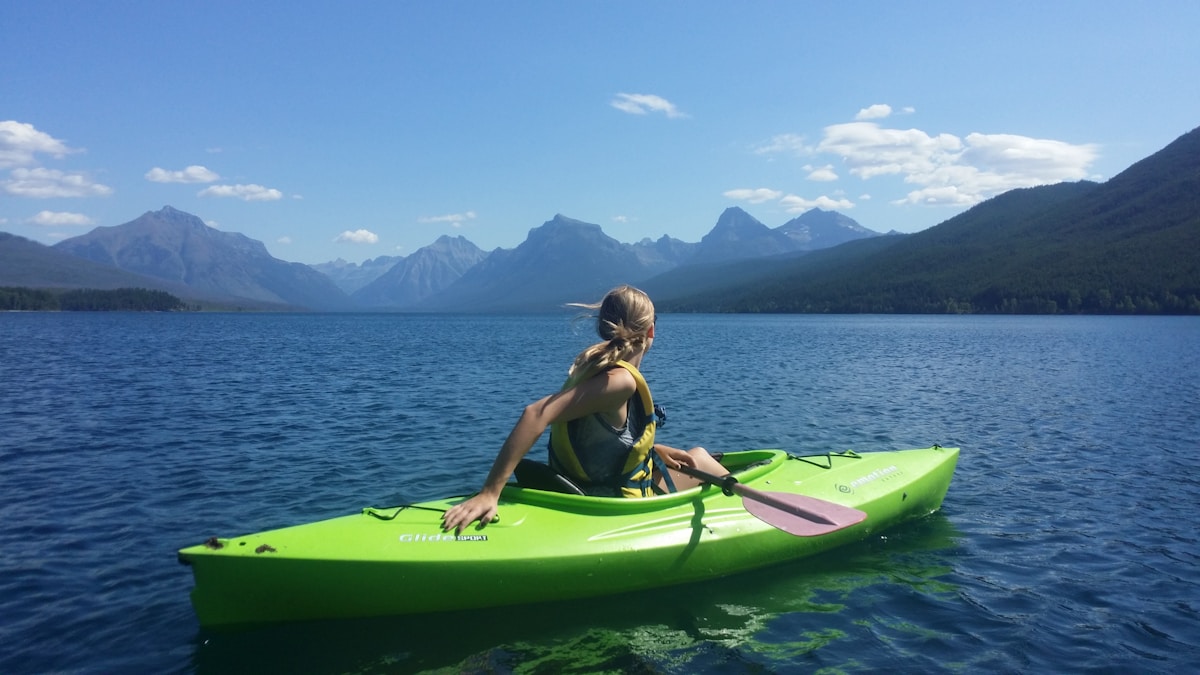
Glacier and Grand Teton are the two most dramatic mountain parks in the Lower 48, and most travellers with one Rocky Mountain slot in their itinerary end up choosing between them. They reward different trips: Glacier is bigger, wilder, and built for hikers; Grand Teton is more compact, easier to reach, and pairs with Yellowstone. Here’s how they actually compare.
The Scenery
Grand Teton is the more instantly photogenic park. The Teton Range rises 7,000 feet straight off the valley floor with no foothills - the view from Snake River Overlook or Mormon Row barn is the one on the postcards, visible from the main road within minutes of arriving. The park is essentially one spectacular 40-mile mountain front with a string of lakes at its base.
Glacier doesn’t have a single iconic skyline - it has a hundred of them. The park is ten times the hiking area, a maze of carved valleys, turquoise lakes, and knife-edge ridges crossed by the Going-to-the-Sun Road, arguably the most scenic drive in the USA. The scenery reveals itself the further you get from the car, which is exactly the point.
If you’ll mostly drive and take short walks: it’s close, with Going-to-the-Sun Road edging it for Glacier. If you judge a park by what’s visible from the lodge: Grand Teton.
Search hotels in Glacier on Booking.com
Hiking
Glacier wins for hikers, and it isn’t particularly close. The Highline Trail (11.8 miles along the Continental Divide), Grinnell Glacier (10.6 miles to a receding glacier above a chain of blue lakes), and Iceberg Lake (9.7 miles) are all top-ten-in-the-country day hikes. The trail network runs over 700 miles.
Grand Teton’s classics - Cascade Canyon (cut to 9 miles round-trip using the Jenny Lake boat shuttle, approximately $20 return as of 2026), Delta Lake (7.4 miles, steep, unofficial but hugely popular), and Paintbrush–Cascade Loop (19 miles for strong hikers) - are excellent but fewer. The compensation: you’re in serious alpine terrain within an hour of the trailhead.
Wildlife
Both parks are genuine grizzly country - carry bear spray on every trail in either. Glacier has the denser bear population and regular mountain goat and bighorn sightings around Logan Pass. Grand Teton offers easier roadside wildlife viewing: moose in Willow Flats and along the Gros Ventre River, bison and pronghorn on the valley floor, and the famous roadside grizzlies of the northern park. For photographing wildlife from the car, Teton; for encountering it on foot, Glacier.
Crowds, Seasons, and Logistics
| Glacier | Grand Teton | |
|---|---|---|
| Entry fee (2026) | $35/vehicle | $35/vehicle |
| Non-resident surcharge | Yes - $100/person | Yes - $100/person |
| Vehicle reservation | Going-to-the-Sun Rd peak season (check current rules) | None as of 2026 |
| Nearest airport | Kalispell (FCA), 30 min | Jackson Hole (JAC), inside the park |
| Full season | July–mid-September | June–September (valley open year-round) |
| Lodging base | Whitefish, Kalispell, or in-park lodges | Jackson - full resort town |
The season difference matters more than people expect. Going-to-the-Sun Road typically doesn’t fully open until late June or early July and closes by mid-October - Glacier is really a 10-week park at full capacity. Grand Teton’s valley is accessible far longer, and Jackson is a year-round base with restaurants and hotels at every price point - see our Jackson Hole guide for where to stay.
Both parks are on the 2026 list of 11 parks charging international visitors the $100 per-person surcharge - the America the Beautiful pass ($250 for non-residents) waives it at both and pays for itself on this trip alone.
Which Park Should You Choose?
Choose Grand Teton if: you’re combining with Yellowstone (the obvious pairing), you want short-notice flexibility with no road reservations, you’re travelling early June or late September, or you want a resort-town base with good food.
Choose Glacier if: hiking is the point of the trip, you have four or more full days, you’re travelling in July–August and booked lodging early, or the Going-to-the-Sun Road drive is on your list. It’s the better park for travellers who measure trips in trail miles.
Do both if you have ten days or more - the classic route runs Jackson → Yellowstone → drive north through Montana → Glacier, one of the best road trips in the American West.
For the individual park guides, see our full Grand Teton guide and Glacier guide.
For guided tours at both parks, browse tours and activities across the USA. Plan your drive with car hire in the USA and protect your trip with travel insurance.