The US federal government’s current funding authorisation expires on 30 September 2026. The US Travel Association, Airlines for America, and the American Hotel & Lodging Association have all called on Congress to resolve budget differences before the deadline - and travellers with trips planned to national parks in early October should have a contingency plan.
What Happens in a Shutdown
If Congress fails to pass a continuing resolution or a full appropriations bill before midnight on September 30, non-essential federal government services shut down. That includes the National Park Service.
In past shutdowns - 2013, 2018, and 2023 - all 63 national parks closed to visitors, including gateway areas managed by the NPS. Entrance fees cannot be collected and most ranger-led programmes stop. Some parks have gates that can be physically locked; others remain technically accessible but have no staff, facilities, or maintenance.
Key impacts for travellers:
- Entrance gates close: no vehicle or pedestrian access at gated parks
- Visitor centres and facilities shut: toilets, water, food services cease
- Permits become void: backcountry permits and timed-entry passes issued for a closed period are not honoured and refunds take time to process
- Concessionaire operations vary: privately-run lodges and tours inside parks may or may not be able to operate depending on their contracts
Which Parks Are Most at Risk for Autumn Visitors
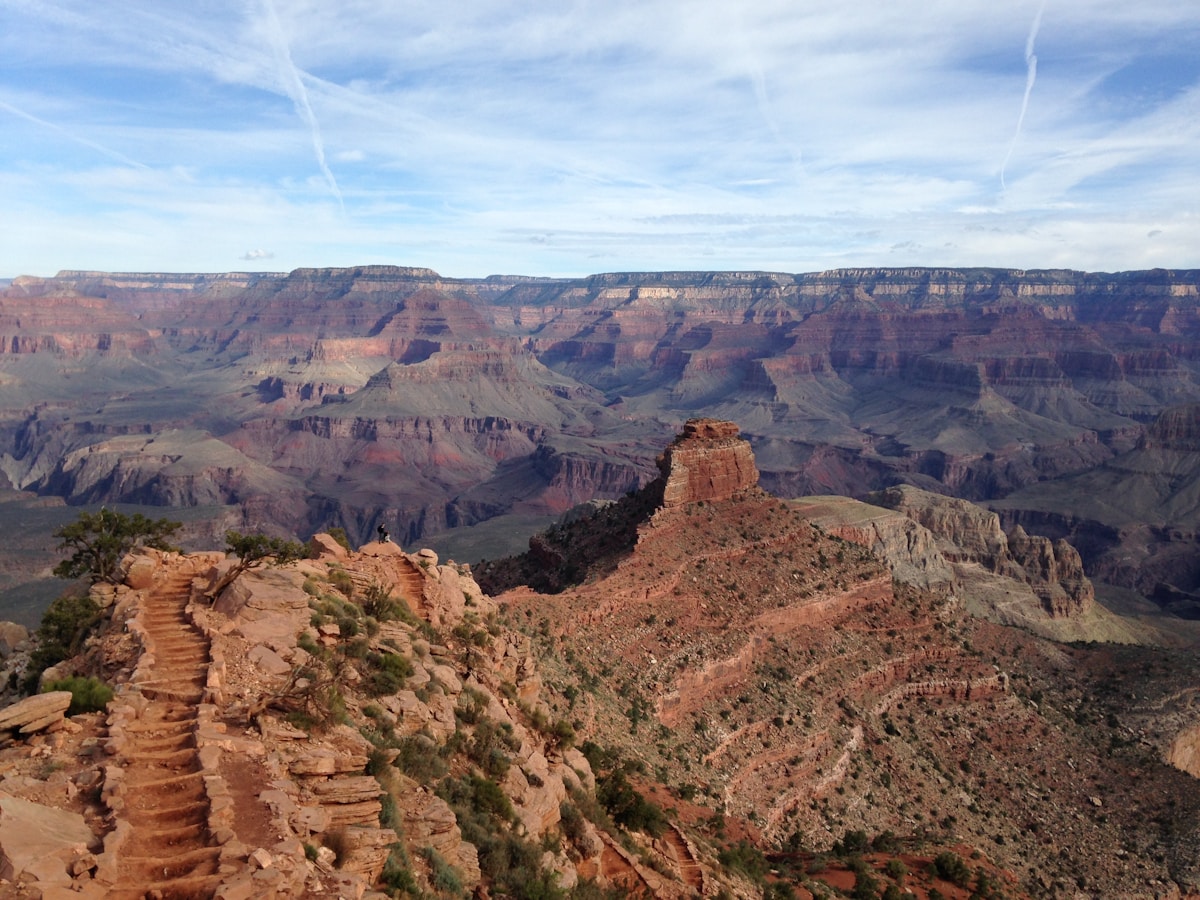
October is peak season at several parks, particularly in the Southwest. The Grand Canyon’s South Rim draws large crowds as summer heat eases, and permits for the Grand Canyon are difficult to rebook at short notice. Yellowstone’s thermal basin and wildlife viewing are at their autumn best - see our guide to Yellowstone National Park for what to expect in early October.
What to Do Now
-
Monitor the news from September 28 onwards. Congress has resolved shutdown threats at the last minute before; a continuing resolution often passes on or just before the deadline.
-
Check your booking cancellation policy. Hotels in gateway towns (Tusayan near the Grand Canyon, West Yellowstone, Gatlinburg near Great Smoky Mountains) are privately owned and generally remain open, but lodges inside parks may close.
-
Have a backup itinerary. State parks, national forests, and guided outdoor tours are unaffected by federal shutdowns and can substitute for many national park experiences.
-
Register timed entry and permit details. If a shutdown does occur and your permit is cancelled, document everything for the refund process.
The situation is not certain. A deal could pass before September 30. But three weeks out is a reasonable time to confirm your plans are flexible if you have autumn park trips booked.