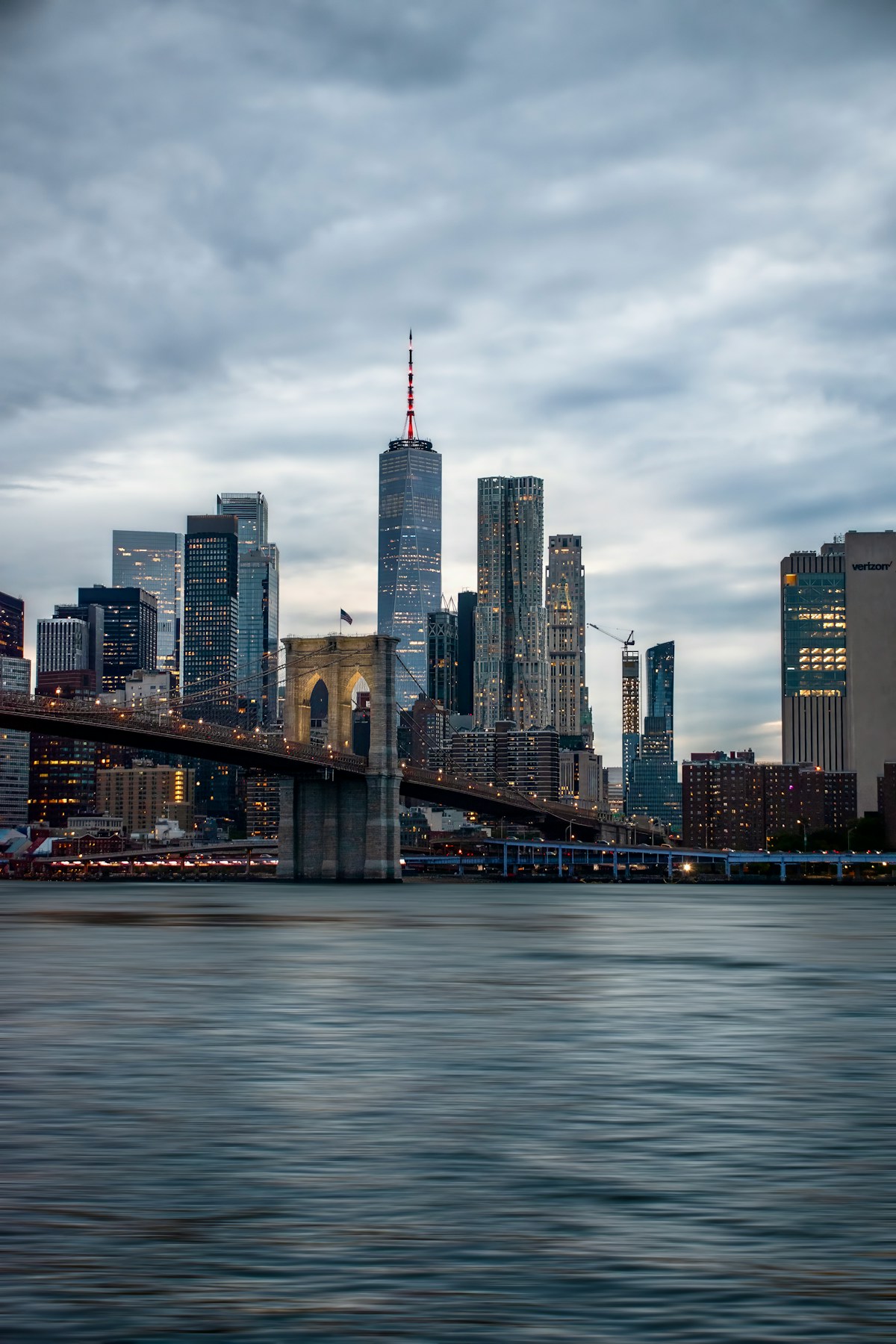
The 2026 FIFA World Cup opens on 11 June and runs through the final at MetLife Stadium in the New York/New Jersey metro area on 19 July. With 48 national teams and matches spread across 11 US host cities, the tournament is the largest in FIFA history - and it places the USA at the centre of global travel for the next six weeks.
The 11 US host cities are: New York/New Jersey, Los Angeles, Dallas, San Francisco Bay Area, Seattle, Boston, Kansas City, Philadelphia, Miami, Atlanta, and Houston. Canada and Mexico host additional matches as co-hosts of the tournament. The group stage runs 11 June to 2 July; knockout rounds run 4–19 July, with the final on 19 July.
Entry Requirements for International Visitors
Citizens of 41 countries, including most of Europe, the UK, Australia, Japan, and South Korea, can enter the USA under the Visa Waiver Program using an ESTA. The ESTA is applied for online at esta.cbp.dhs.gov and costs $40.27 per person - apply at least 72 hours before travel, though same-day approval is common. ESTA approval does not guarantee entry; a Customs and Border Protection officer makes the final determination on arrival.
Nationals of countries not in the Visa Waiver Program - including India, China, Brazil, and South Africa - must apply for a B-2 tourist visa at a US Embassy or Consulate. Processing times are running long ahead of the tournament, so anyone from a visa-required country should apply now. Our USA visa and entry requirements guide has the full country-by-country breakdown.
Match Tickets
Match tickets for the US venues are sold exclusively through FIFA’s official ticketing portal at tickets.fifa.com. The secondary market (resellers and fan-to-fan transfers) operates via a FIFA-approved platform - purchasing from unofficial third parties risks receiving invalid tickets that will not scan at stadium gates.
Ticket prices vary significantly by match stage and seating category. Group stage matches at US venues started from around $110 (Category 4) up to $500+ for central seating (Category 1). Knockout stage matches are considerably higher. Hospitality packages - which include food and drink - were available from FIFA’s Hospitality programme for a substantial premium.
Accommodation and Travel Costs
Hotel prices in host cities, particularly in the weeks around key matches, are significantly elevated. Book as far ahead as possible; major platforms like booking.com and Airbnb are the fastest way to compare options, but short-term rental inventory in cities like New York and Los Angeles is limited during July. Rental cars are also in high demand.
Domestic flights between host cities have seen fare increases of around 15% year-on-year in 2026. Amtrak is a practical and often scenic alternative between cities in the northeast corridor (New York, Philadelphia, Boston) and in California (Los Angeles, San Francisco area). The LA–SF route runs frequently and takes around 9 hours overnight - a workable option for fans with flexible timing.
Getting to and from the Stadiums
Most US stadiums are not served by metro rail directly. MetLife Stadium in New Jersey is accessible by NJ Transit train from Penn Station in Manhattan. AT&T Stadium in Dallas requires a car or rideshare from the city centre. SoFi Stadium in Los Angeles is served by the Crenshaw/LAX Metro line, though with limited direct service from downtown. Check each city’s official transport guidance for the most up-to-date shuttle and transit information.
Practical Tips
US mobile carriers do not offer international roaming by default - purchasing a local eSIM or physical SIM card is the cheapest way to stay connected. The USA uses 110V / 60Hz power with Type A and B plugs (the flat two-pin style), so EU and UK travellers will need an adaptor.
The World Cup falls during summer across all host cities. Temperatures in July in Dallas and Miami frequently exceed 35°C; those in Seattle, San Francisco, and Boston are far more temperate. Plan clothing accordingly, particularly if attending multiple matches in different cities. Hydration at outdoor stadiums in Texas and Florida is essential - stadium concessions are expensive, so check individual stadium policies on bringing in sealed water bottles.