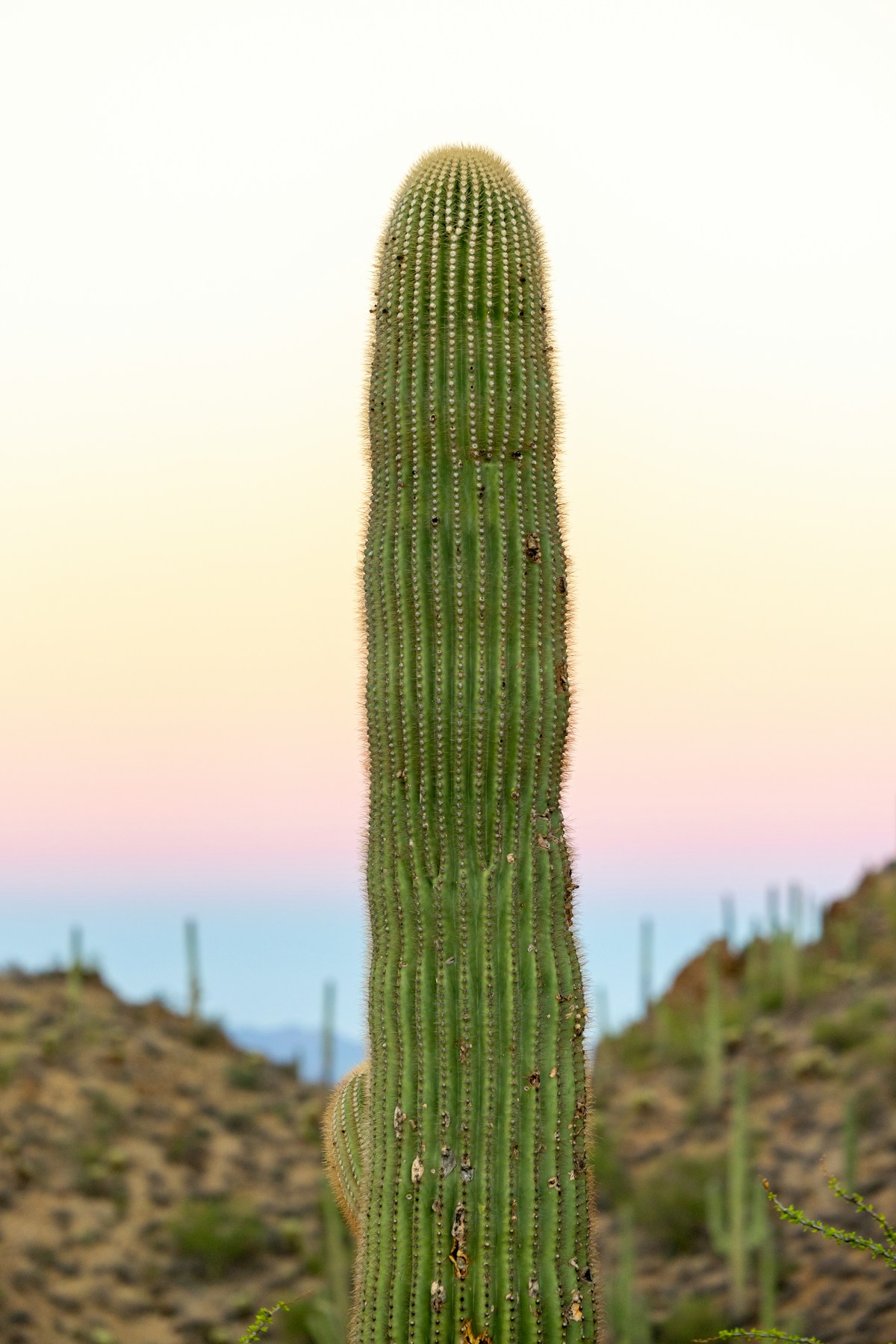
Saguaro National Park is the only national park unit in the US dedicated to protecting the giant saguaro cactus - the iconic, multi-armed column that defines the Sonoran Desert landscape. The park surrounds Tucson on two sides, splitting into the Rincon Mountain District to the east and the Tucson Mountain District to the west, separated by the city itself. Together the two units protect over 91,000 acres of classic Sonoran Desert, including some of the densest saguaro forests on earth. These plants live up to 200 years, grow to 40 feet tall, and weigh up to 4,800 pounds when fully hydrated - each one an ecosystem unto itself, providing nesting holes for elf owls, Gila woodpeckers, and American kestrels.
Entry Fees and Passes
Entry costs approximately $25 per vehicle as of 2026, valid for seven days. One fee covers both districts. Motorcycles pay approximately $20; pedestrians and cyclists approximately $15. The America the Beautiful annual pass ($80) covers all vehicle occupants. No timed entry reservations are required - the park is free to enter and exit during daylight hours (approximately 7am–sunset).
East District: Rincon Mountain
The Cactus Forest Loop Drive (8 miles, paved, one-way) is the East District’s centerpiece: a scenic drive through dense saguaro forest with pull-offs at petroglyphs (Hohokam Signal Hill area), picnic areas, and several trailheads. Allow 45–60 minutes by car.
Key hikes from the East District:
- Mica View Trail - 4-mile round trip loop through pristine saguaro forest at the desert’s base. Easy. The best introduction to the park’s signature landscape.
- Freeman Homestead Trail - 1-mile round trip to the ruins of a 1930s homesteader’s cabin amid century-old saguaros. Easy, short, and gives historical context.
- Douglas Spring Trail - up to 12 miles round trip (strenuous) climbing from the saguaro zone through grassland and oak woodland into the Rincon Mountain highlands. Requires water planning; backcountry permits for overnight camping.
- Tanque Verde Ridge Trail - 15.3 miles round trip to the summit of Tanque Verde Peak (7,049 feet). A full-day or overnight trip traversing all desert vegetation zones, from saguaro to ponderosa pine.
West District: Tucson Mountain
The Bajada Loop Drive (6 miles, unpaved but suitable for standard vehicles in dry conditions) winds through some of the park’s most photogenic saguaro groves near the Valley View Overlook and Signal Hill petroglyphs. Signal Hill Trail (0.5 miles round trip, easy) leads to a hilltop scattered with ancient Hohokam petroglyphs - some dating back 1,000 years.
Key hikes from the West District:
- Hugh Norris Trail - 9.9 miles round trip to Wasson Peak (4,687 feet, the highest point in the district). Strenuous but follows a long ridge with views of Tucson and the surrounding desert. Best done at dawn October–April.
- King Canyon Trail - 3.6 miles round trip to a saddle below Amole Peak. Moderate. Good condor sightings from the upper section (not California condors - turkey vultures and Harris’s hawks are common).
- Valley View Overlook Trail - 0.8 miles round trip, accessible from the Bajada Loop. The best short walk in the West District, ending at a panoramic vista of saguaro-studded alluvial fans.
Arizona-Sonora Desert Museum
Immediately adjacent to the West District, the Arizona-Sonora Desert Museum (desertmuseum.org) is technically a separate institution but essential to any Saguaro visit. It’s a zoo, botanical garden, and natural history museum combined - all outdoors, featuring 230 animal species, 1,200 plant species, and detailed explanations of how the Sonoran Desert ecosystem works. Entry approximately $25–30 per adult. Allow 3–4 hours minimum.
Wildlife
The Sonoran Desert supports surprisingly rich biodiversity. Saguaro National Park hosts:
- Gila woodpeckers and gilded flickers - drill cavities in saguaros that later become owl apartments
- Elf owls - the world’s smallest owl, nesting in abandoned woodpecker holes; hear them calling at dusk in April–May
- Cactus wrens - Arizona’s state bird, nests in cholla cactus
- Roadrunners - year-round residents, visible on trails in the East District
- Gila monsters - venomous but shy lizards; most likely spotted in spring after rains
- Javelinas (collared peccaries) - common in both districts; give them space, they have poor eyesight but sharp tusks
- Rattlesnakes - Western diamondbacks, Mojave rattlers, and tiger rattlesnakes; active spring–fall, especially at dawn/dusk
Best Time to Visit
October–April is optimal: temperatures range 65–85°F, saguaros are fully hydrated from monsoon rains, and sunrise/sunset lighting on the cactus forest is extraordinary. Spring wildflower blooms (February–March) add color to the desert floor. Saguaro flowering peaks in May, though temperatures are already reaching the 90s.
June–September (monsoon season): temperatures regularly hit 105–115°F between noon and 4pm but the afternoon thunderstorms (dramatic lightning over the saguaros) and post-rain desert smell are genuinely magical. Hike only at dawn.
Camping
Saguaro National Park has no in-park car camping - all campgrounds are backcountry and require permit (free, available at visitor centers). The closest developed campgrounds are in the Coronado National Forest adjacent to both districts.
Tucson (immediately bordering both districts) has accommodation for every budget, from budget motels at approximately $60–100/night to luxury resorts at approximately $200–600/night. The city is entirely within reasonable range of both park districts.
Search hotels in Saguaro on Booking.com
Safety
- Heat: summer temperatures can be life-threatening. Carry minimum 1 liter per mile per person. The Emergency Medical team handles multiple heat rescues each summer.
- Spines: saguaro spines cause painful wounds. Cholla cactus (“jumping cholla”) detaches segments onto clothing when brushed - carry pliers or two sticks to pry them off without touching.
- Rattlesnakes: watch trail edges carefully, particularly around rocky outcrops and cactus bases.
- Flash floods: the desert soil is compacted and drains poorly. Dry washes fill quickly during monsoon storms - don’t camp in washes.
Saguaro is most easily combined with Phoenix and Sedona on a broader Arizona trip. The America the Beautiful pass covers entry to Saguaro and all other federal lands for $80/year - worthwhile if you’re visiting more than three national parks in a 12-month period. The 10-day Southwest itinerary provides a structured route connecting Saguaro, the Grand Canyon, Zion, and Bryce Canyon.
For guided ranger-led and private tours of Saguaro National Park, browse available tours and experiences. Most visitors reach national parks by car - compare car hire options in the USA for the best rates. Travel insurance is especially worth having for remote park trips where emergency evacuation can be costly.