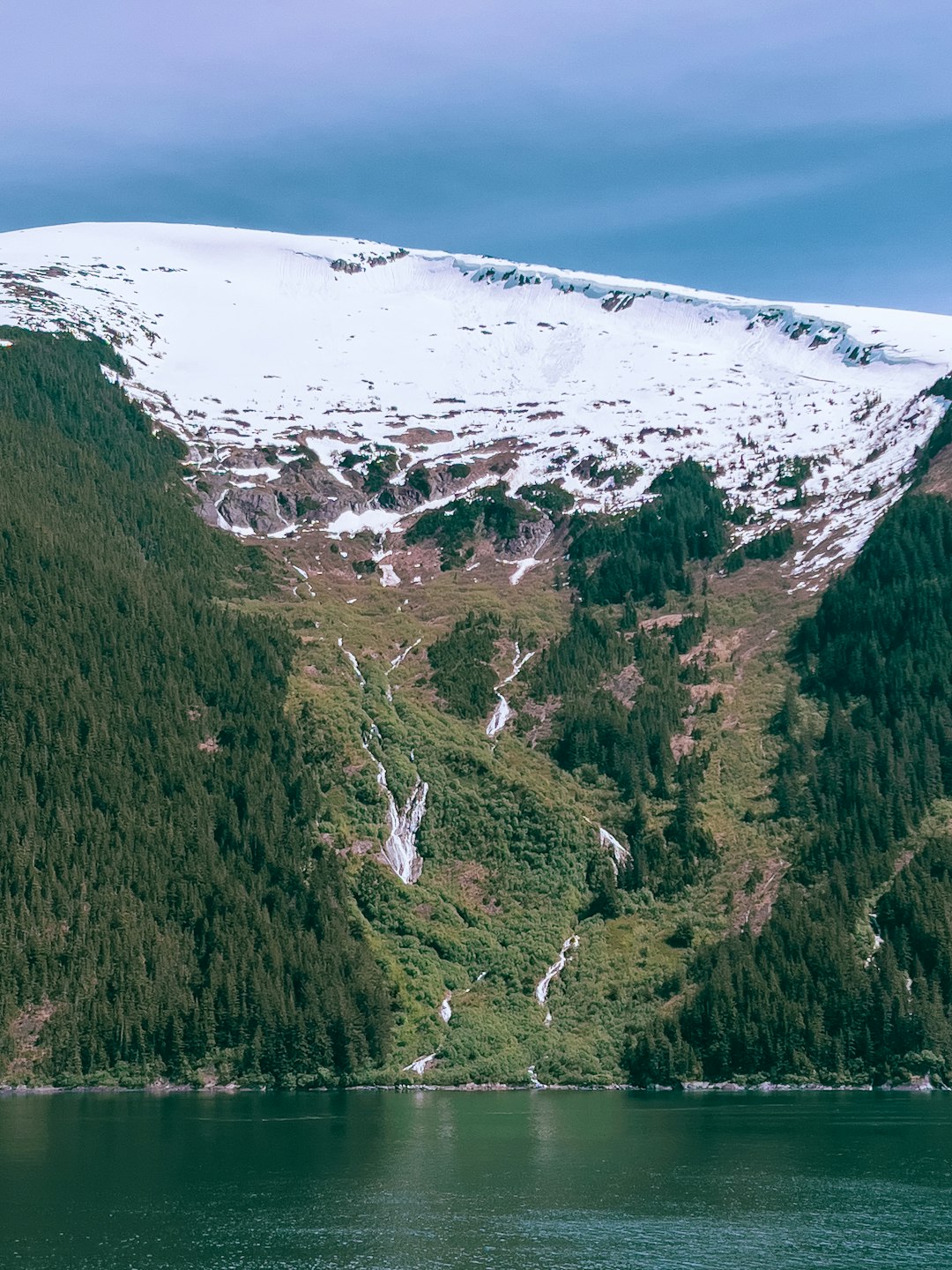
Kenai Fjords is one of those parks that stops you mid-sentence. You set out expecting impressive scenery and instead find tidewater glaciers - rivers of blue ice - flowing directly into the sea and calving with a crack like cannon fire. The park protects 607,000 acres of the Kenai Peninsula’s southern coast in Alaska, anchored by the Harding Icefield: one of the largest icefields in the United States, covering more than 700 square miles and feeding over 40 glaciers. The fjords themselves, carved by those glaciers over millennia, are now inhabited by some of the most productive marine wildlife habitat in North America.
Entry Fees and Passes
Kenai Fjords has no entrance fee. The America the Beautiful annual pass is not required here, though it has no cost to bring. The Exit Glacier area charges approximately $5/vehicle for parking from May through September; alternatively, leave the car in the free lot 0.25 miles down the road and walk in.
Boat tours - which are the primary way to see the park’s coastal section - are operated by private companies and are purchased separately; see the Boat Tours section below.
When to Visit
June–August is the prime window. Wildlife is most active, daylight stretches to 19+ hours in June, and tidewater glaciers are at peak calving frequency from heat exposure. Temperatures in Seward average 50–65°F in summer, with rain roughly 60% of days - bring waterproof layers regardless of the forecast.
May: Early-season tours begin in mid-May. Fewer crowds, slightly lower prices, and the possibility of seeing late-season sea ice. Some trails at Exit Glacier may still be snow-covered.
September: A strong second-best month. Crowds thin after Labor Day, wildlife viewing remains excellent, and the autumn light on the icefields is remarkable. Most tours run through mid-September; some operators go into early October by charter.
October–April: No scheduled boat tours operate in winter. Exit Glacier is accessible year-round; the road is plowed to a parking area, and snowshoeing or skiing to the glacier is possible with appropriate gear. The park service offers occasional ranger-led winter programmes - check nps.gov/kefj.
Getting There
By car from Anchorage: Take AK-1 south to the Seward Highway (AK-9). The 127-mile drive takes approximately 2.5 hours in summer traffic; the highway is one of the most scenic drives in Alaska, passing Turnagain Arm and the Chugach Mountains. Compare rental car rates at /go/car-hire-usa - Anchorage (ANC) is the major rental hub. Expect approximately $70–130/day for compact cars in summer.
By Alaska Railroad: The Coastal Classic train runs Anchorage–Seward daily from mid-May through mid-September, approximately $99–159 one way, with luggage allowances for kayaks and bikes. The 4.5-hour route passes along Turnagain Arm through the mountains - scenic in its own right. Book at alaskarailroad.com well in advance for July dates.
Anchorage (ANC) is the sole major airport, served by Alaska Airlines, Delta, United, and American. No commercial flights serve Seward directly.
Exit Glacier
Exit Glacier is the only part of the park accessible by road and the most visited feature. The glacier flows down from the Harding Icefield and is named because early Harding Icefield traversers exited here after crossing the icefield. It is retreating significantly - historical marker signs along the trail show how far the glacier has pulled back in each decade from the 1950s through today.
Upper Exit Glacier Trail (1.8 miles round trip, 800-foot gain, moderate) - The main trail to the face of the glacier. Interpretive signs note the retreat at each decade. Do not approach beyond the marked barriers - meltwater, unstable ice, and sudden calving are genuine hazards. The glacier face towers 100+ feet at the terminal moraine.
Harding Icefield Trail (8.2 miles round trip, 3,500-foot gain, strenuous) - The park’s signature long hike, climbing from Exit Glacier at sea level to the top of the icefield at 3,500 feet. On clear days - which happen regularly in mid-summer - the view of the icefield is among the most dramatic in Alaska: an uninterrupted white plain stretching to the horizon, interrupted by nunataks (exposed rock peaks). Allow 6–8 hours round trip. Bring poles, full waterproofs, sunglasses for snow glare, and sufficient food and water. Snow can linger on upper sections through July.
Glacier View Loop (0.8 miles, easy, paved) - A flat accessible loop near the visitor centre with good views of the glacier and interpretive panels. Suitable for all fitness levels and strollers.
The Exit Glacier Nature Center is open late May through September with ranger talks, wildlife exhibits, and bear spray rental (approximately $10/day).
Boat Tours
The fjords section of the park - including the tidewater glaciers, sea stacks, and wildlife colonies - is only accessible by water. Seward is the launch point for all tours.
Day tours fall into two main categories:
Northwestern Fjords / Holgate Glacier Tours - The longest day tours (7–9 hours, approximately $180–220/adult) venture deep into Northwestern Lagoon and past multiple tidewater glaciers. These offer the best chances of seeing orcas, humpbacks, and large sea lion colonies. Major fjord glaciers in this zone include Northwestern Glacier and Holgate Glacier; both calve actively in summer.
Resurrection Bay / Fox Island Tours - Shorter trips (4–5 hours, approximately $120–165/adult) that stay in Resurrection Bay rather than entering the park’s deeper fjords. Wildlife viewing is still excellent (sea otters, puffins, bald eagles) but the dramatic calving glaciers are more distant or absent. Best for those with limited time or motion sickness concerns.
What to expect on any tour: Bring warm layers (temperatures drop significantly on the water), snacks, and seasickness medication if needed. Resurrection Bay can be choppy; the exposed Pacific waters beyond are often rougher. Most operators offer on-board meals or stops at Fox Island for lunch.
Booking: Major operators include Major Marine Tours and Kenai Fjords Tours. Search Kenai Fjords boat tours on GetYourGuide - or book directly with the operators. Reserve 2–4 weeks ahead for July peak season - prime departure times sell out. Cancellation policies vary; most require 24–48 hours notice for a full refund.
Wildlife
Kenai Fjords has some of the most accessible marine wildlife viewing in North America from an enclosed vessel. Regular sightings on boat tours include:
- Sea otters - Frequently spotted floating on their backs in kelp beds near the glacier fronts.
- Steller sea lions - Large bull colonies haul out on sea stacks along the fjord walls; the sound and smell hit before you see them.
- Tufted and horned puffins - Both species nest in the sea cliffs; June and July are peak nesting season.
- Dall’s porpoise - Fast, black-and-white porpoises that commonly bow-ride tour vessels.
- Orcas (killer whales) - Resident and transient pods are seen on approximately 40–60% of Northwestern Fjords tours June–August.
- Humpback whales - Feeding regularly in the bay from late May through September.
- Mountain goats - Visible on cliff faces above the fjord waterline; binoculars essential.
Accommodation in Seward
Seward is a small port town (population approximately 3,000) with a good range of accommodation relative to its size. Book as early as possible for July - the town fills completely on summer weekends.
Search hotels in Kenai Fjords on Booking.com
Hotels and inns:
- Hotel Seward - Historic downtown hotel, approximately $180–280/night; the best central location for boat tours and dining.
- Breeze Inn Motel - Near the Small Boat Harbor where tours depart, approximately $150–240/night. No-frills but practical.
- Kenai Fjords Glacier Lodge - Lodge on Fox Island inside the park, accessible by boat only, approximately $350–500/night including meals and boat transfer. Very limited availability.
Camping:
- Exit Glacier Campground - Walk-in tent sites only, 12 sites, approximately $15/night, first-come first-served May–September.
- Seward City Campgrounds - Two sites (Forest Acres and Waterfront) with tent and RV pads, approximately $20–35/night, reservable through the City of Seward.
Outside Seward:
- Hope, Alaska (75 miles north on Turnagain Arm) - A small historic mining town with a few B&Bs and cabins at approximately $130–200/night, good for a quieter base.
Practical Tips
- Layers are mandatory: Even on a warm Seward day, temperatures on the water drop to the 40s. A fleece mid-layer and waterproof shell are non-negotiable on any boat tour.
- Bear spray: Black bears and brown bears are present throughout the Exit Glacier valley. Carry bear spray on any trail - rental available at the Nature Center ($10/day).
- Water and food: The glacier trailhead has limited facilities. Carry more water than you think you need, especially on the Harding Icefield Trail.
- Tide awareness: Tidal swings in Resurrection Bay can reach 15+ feet. If kayaking independently, time your returns to avoid strong ebb currents near river mouths.
- Permits for overnight backcountry: No permit required for backcountry camping in the park, but registration at the visitor centre is strongly recommended. The backcountry is genuinely remote - no trails, bears present, crevasse hazards on the icefield.
- Alaska travel insurance: Cruise ships and weather can disrupt plans. Travel insurance that covers trip interruption is worth carrying - we recommend checking options at /go/insurance-usa.
For guided ranger-led and private tours of Kenai Fjords National Park, browse available tours and experiences on GetYourGuide - from wildlife and photography excursions to multi-day adventures in and around the park.
Nearby Parks and Attractions
- Denali National Park guide - 7–8 hours north of Anchorage via the Parks Highway
- Alaska city guide - Anchorage - The staging city for all Kenai Fjords trips