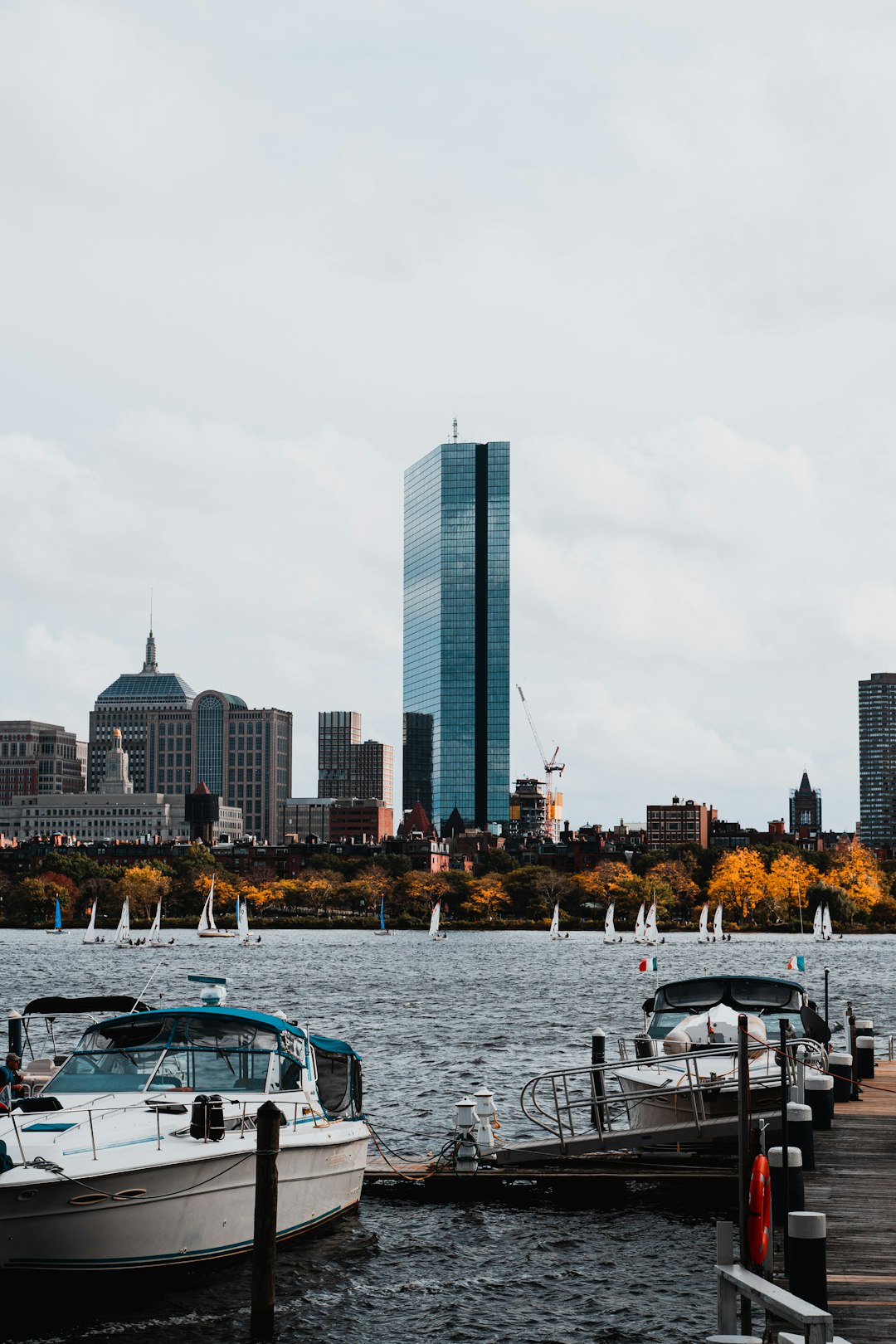
Boston sits at the hub of New England with some of the most historically rich day-trip territory in the country - the birthplace of American independence to the west, Salem’s maritime and Puritan history to the north, Gilded Age Newport to the south, and the rugged coast of Maine starting just 2 hours away. Many of these trips work on public transit; others genuinely benefit from a car. Compare car hire rates before you go - Boston’s parking costs can make driving in-city painful, but having a car for day trips is usually worth it.
For things to do in the city itself, see our Boston things to do guide.
Salem - 30 minutes north by commuter rail
Salem is the most accessible day trip from Boston and one of the most historically layered towns in New England. The 1692 witch trials are the most famous episode, but Salem’s history as a major maritime trading port in the 18th and early 19th centuries is at least as interesting.
The Peabody Essex Museum (entry approximately $20 as of 2026) is the main reason to visit Salem regardless of your interest in the witchcraft chapter - it holds one of the finest collections of maritime art and Asian export art in the world, built from the log of goods brought back by Salem sea captains in the 1790s–1840s. The museum includes a reconstructed Chinese house shipped from Huizhou Province and reassembled on-site.
The Salem Witch Museum (entry approximately $15 as of 2026) on Washington Square North provides a narrative overview of the 1692 events with theatrical staging. The Witch Trials Memorial beside the Charter Street Cemetery is more affecting - a granite park with inlaid stone benches inscribed with the names of the 20 people executed. Charter Street Cemetery itself (free) dates to 1637 and contains graves of several individuals connected to the trials.
Derby Wharf on the waterfront is a free National Historic Site - the central wharf of Salem’s commercial empire in the 18th century, with the 1819 Custom House where Nathaniel Hawthorne worked as a surveyor.
October in Salem is crowded almost beyond usefulness - the Haunted Happenings festival runs all month and accommodation books out months in advance. Visiting in May, September, or any weekday outside October gives a completely different, much quieter experience.
Search hotels in Boston on Booking.com
Book Salem walking tours and witch trial experiences
Cape Cod - 1 hour 30 minutes to 2 hours south
Cape Cod is the benchmark New England summer destination - 560 miles of coastline, Cape Cod National Seashore, fresh and saltwater ponds, and seafood at every turn. The Mid-Cape (Hyannis, Chatham) is busiest and most developed; the Outer Cape (Wellfleet, Truro, Provincetown) has better beaches and a more authentic feel.
The Cape Cod National Seashore, established by President Kennedy in 1961, protects 43,000 acres of beaches, dunes, grasslands, and ponds from Chatham to Provincetown. Entry is approximately $25 per vehicle as of 2026 for the staffed beach areas (Coast Guard Beach, Nauset Light Beach, Race Point). The Seashore’s visitor centers at Salt Pond (Eastham) and Province Lands (Provincetown) have excellent exhibits and are free.
Provincetown at the tip of the Cape is a destination in itself - an art colony since the early 1900s (the Provincetown Painters predate the Cape Cod tourist industry), with Commercial Street lined by galleries, restaurants, and the Portuguese Bakery (malasadas approximately $3 as of 2026). The Pilgrim Monument (entry approximately $15) offers views from 252 feet over the entire tip of the Cape.
Wellfleet is known for shellfish - Wellfleet oysters are among the most prized on the East Coast. The Wellfleet OysterFest in October draws significant crowds. Year-round, local restaurants serve them raw for approximately $3–$4 per oyster as of 2026.
Traffic on the Cape in July and August is severe. Crossing the bridges on a Friday afternoon can take 2+ hours; most day-trippers find midweek visits far more manageable.
Newport, Rhode Island - 1 hour south
Newport’s two claims to fame are the America’s Cup yacht racing history and the Gilded Age mansions built by Vanderbilts, Astors, and Belmonts as summer “cottages” in the 1880s and 1890s. The mansions are now operated by the Preservation Society of Newport County and are the primary reason to visit.
The Breakers (entry approximately $29 as of 2026) is the largest and most extravagant - a 70-room Italian Renaissance palazzo built by Cornelius Vanderbilt II in 1895. The scale of the rooms and the quality of the decorative arts are genuinely astonishing. The Marble House ($24), Rosecliff ($24), and Chateau-sur-Mer ($18) are other Preservation Society properties on Bellevue Avenue; a combination ticket covering multiple mansions runs approximately $54.
The Cliff Walk (free, 3.5 miles) runs along the ocean edge of the mansion properties, offering free exterior views of The Breakers, Rough Point, and the rocky shoreline below. The north section is paved and easy; the southern section is rough and rocky but passable.
White Horse Tavern on Marlborough Street, dating to 1673, is billed as the oldest continuously operating tavern in the United States. Lunch entrées run approximately $20–$35 as of 2026 - not cheap, but dining in a genuinely 17th-century room has its appeal.
Thames Street (pronounced “Thaymes” locally) is Newport’s main commercial waterfront, lined with restaurants, bars, and sailing outfitters. The harbor is active with yachts and historic schooners.
Plymouth - 1 hour south
Plymouth frames itself as “America’s Hometown” - the 1620 Pilgrim landing site is here, along with the largest concentration of 17th and early 18th-century material culture in New England.
Plimoth Patuxent (formerly Plimoth Plantation), the living history museum complex, is the main draw (entry approximately $30 as of 2026). The site includes a full-scale recreation of the 1627 English Village with costumed interpreters in character, the Wampanoag Homesite staffed by Indigenous educators (not in costume but discussing their own history directly), and the Mayflower II - a full-scale recreation of the 1620 ship docked at State Pier.
Plymouth Rock itself (free) is more modest than its reputation suggests - a granite boulder about the size of a kitchen table, housed in a classical columned structure on the waterfront. Worth seeing in 10 minutes as part of a waterfront walk.
Pilgrim Hall Museum (entry approximately $12 as of 2026) holds actual Pilgrim artifacts - not recreations - including the only surviving portrait of a Mayflower passenger, Governor Edward Winslow, painted in 1651. The collection is small but authentic.
Downtown Plymouth has several seafood restaurants on the harbor - The Local and Mauricio’s both serve local clam chowder and lobster rolls (chowder approximately $12, lobster roll approximately $28–$35 as of 2026).
Concord and Lexington - 30 minutes west
The first battles of the American Revolutionary War were fought on April 19, 1775, in Lexington and Concord - the “shot heard round the world” at the North Bridge. The entire corridor is now the Minute Man National Historical Park (free entry), a well-interpreted site with the Battle Road Trail (5.5 miles, accessible) linking Lexington and Concord through farmland and forest.
The North Bridge in Concord is the most visited spot - a wooden bridge replica over the Concord River where the first British casualties fell. The adjacent Visitor Center at the North Bridge has exhibits on the April 19 events.
Concord has a secondary literary identity as the home of Emerson, Thoreau, Hawthorne, and Louisa May Alcott. The Old Manse (entry approximately $16 as of 2026) was home to both the Emerson and Hawthorne families. Orchard House, where Alcott wrote Little Women, offers tours (entry approximately $15 as of 2026).
Walden Pond State Reservation (parking approximately $8 as of 2026) is 1.7 miles from downtown Concord - a glacial kettle pond where Henry David Thoreau lived for two years beginning in 1845. The 1.7-mile perimeter trail around the pond is flat and pleasant; a replica of Thoreau’s cabin sits near the parking lot.
Portland, Maine - 2 hours north
Portland is the most culinarily sophisticated small city in New England, with a restaurant scene that punches well above its population of 70,000. The Old Port district on the waterfront has cobblestone streets and 19th-century commercial buildings now housing restaurants, breweries, and galleries.
Portland Head Light on Cape Elizabeth (15 minutes south of downtown) is the most photographed lighthouse in Maine - built in 1791, it still operates as an active aid to navigation. The Fort Williams Park surrounding it is free; the lighthouse museum (entry approximately $5 as of 2026) covers the lighthouse’s history.
Fore Street restaurant is the anchor of Portland’s culinary reputation - spit-roasted meats and wood-fired vegetables with dinner entrées from approximately $28–$55 as of 2026. Reservations are required weeks in advance. For a more accessible meal, the Central Provisions small plates menu runs approximately $15–$25/plate.
Portland is lobster roll country - Red’s Eats in Wiscasset (45 minutes north) is famous for its loaded roll (approximately $30 as of 2026) with a full lobster’s worth of meat, though the queue can be an hour. In Portland itself, Eventide Oyster Co. does a brown butter lobster roll (approximately $22 as of 2026) that many consider the best in Maine.
See our Boston food guide for New England culinary context before heading out.
Acadia National Park - 5 hours north
Acadia is a long day from Boston but the scenery justifies the commitment. The park covers most of Mount Desert Island off the Maine coast, with a granite landscape of rounded summits, glacially scoured lakes, and rocky coastline.
Cadillac Mountain (1,530 feet) is the highest point on the US Atlantic coast north of Rio de Janeiro and the first place in the continental US to see the sunrise from October through early March. The summit is accessible by road or via the Cadillac Mountain North Ridge Trail (4.4 miles round-trip). Timed vehicle reservations for the Cadillac Mountain Road are required from late May through mid-October - book through recreation.gov. Entry to the park is approximately $35 per vehicle for a 7-day pass as of 2026.
Jordan Pond has a flat 3.3-mile perimeter trail with views of the Bubbles - two rounded glacial summits reflected in the pond. The Jordan Pond House (open daily in summer) has served popovers and tea on the lawn since 1895 (tea and popovers approximately $18 as of 2026).
Bar Harbor village adjacent to the park entrance has hotels, restaurants, and whale-watching tours. The town gets extremely crowded in July and August; cruise ships dock regularly and can add several thousand people to the streets in a single morning.
Book Boston area tours and New England day trips
Lowell - 30 minutes north
Lowell was the first planned industrial city in the United States, built in the 1820s to power textile mills using the Merrimack River. It is now one of the most honest accounts of the American Industrial Revolution anywhere in the country, preserved almost entirely as the Lowell National Historical Park (free entry).
The park maintains 5.6 miles of canals, historic gatehouses, and the Boott Cotton Mills Museum (entry approximately $6 as of 2026), which has 88 operating power looms running in a weave room that genuinely communicates the sensory scale of 19th-century industrial production - the noise level is significant.
The mill girls who worked the Lowell mills from the 1820s–1840s were largely young women from New England farms - their story, including the boarding houses, the literary magazine they produced, and the labor strikes of the 1840s, is covered thoroughly in the park’s exhibits.
Jack Kerouac was born in Lowell in 1922 and the city has embraced the connection - there is a commemorative park with stone tablets inscribed with passages from his books at the corner of Bridge and French Streets. The Kerouac Commemorative is a free and low-key stop, easily combined with the national park.
For accommodation in Boston when making day trips a multi-day base, see our Boston hotels guide.
Book Boston history tours and day excursions